

Hydraulische Fernsteuerung
Produkte
PRODUKTE
KONTAKT
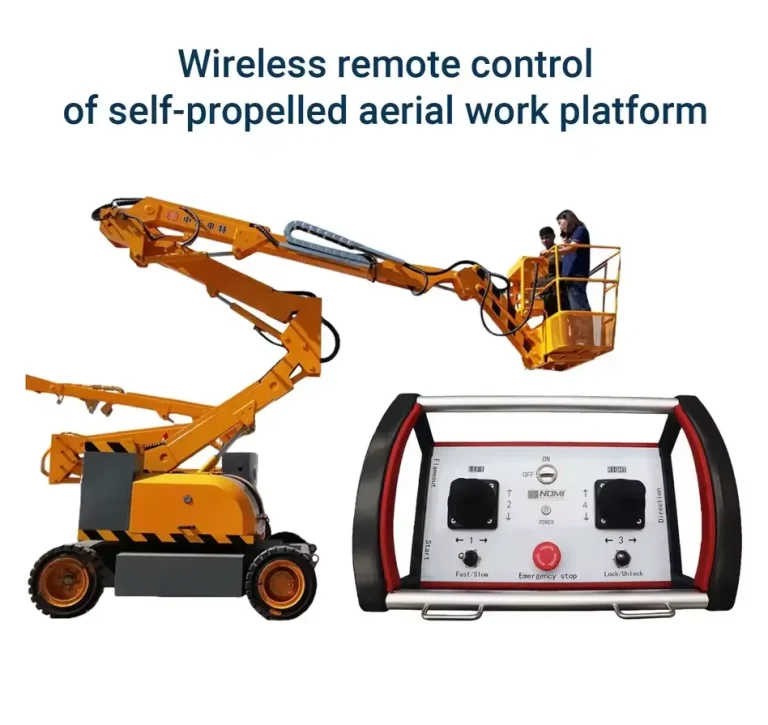

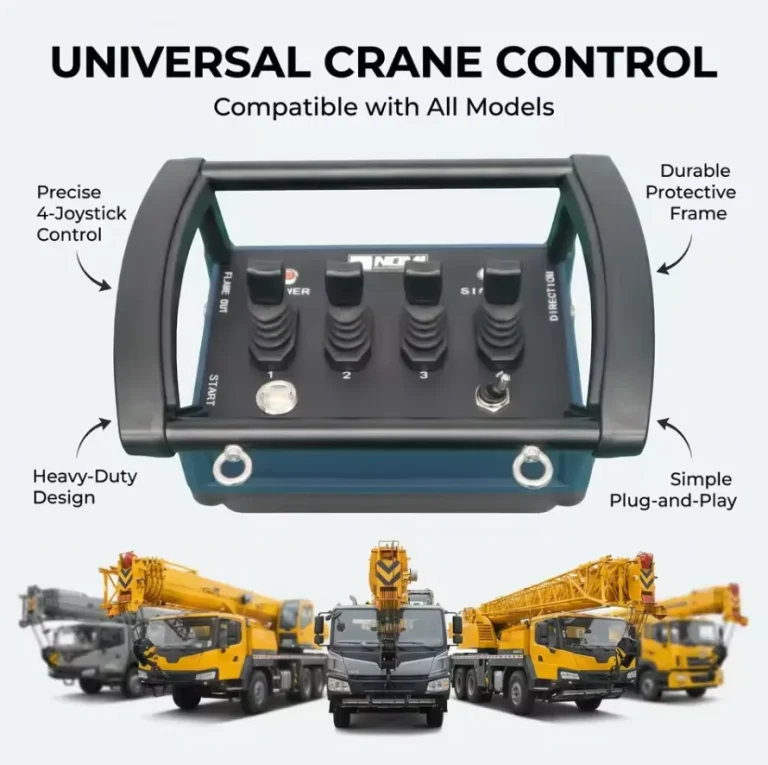
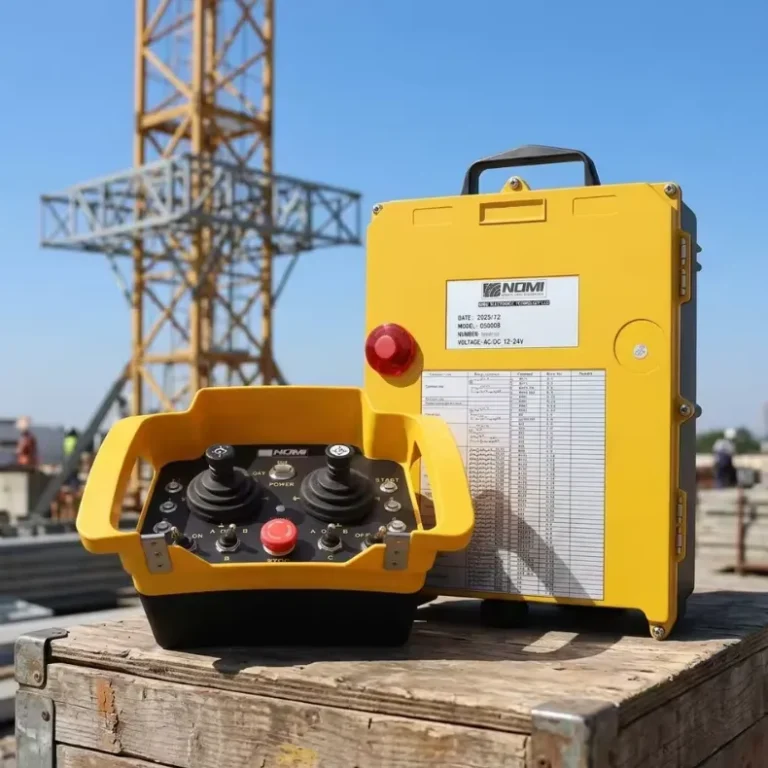
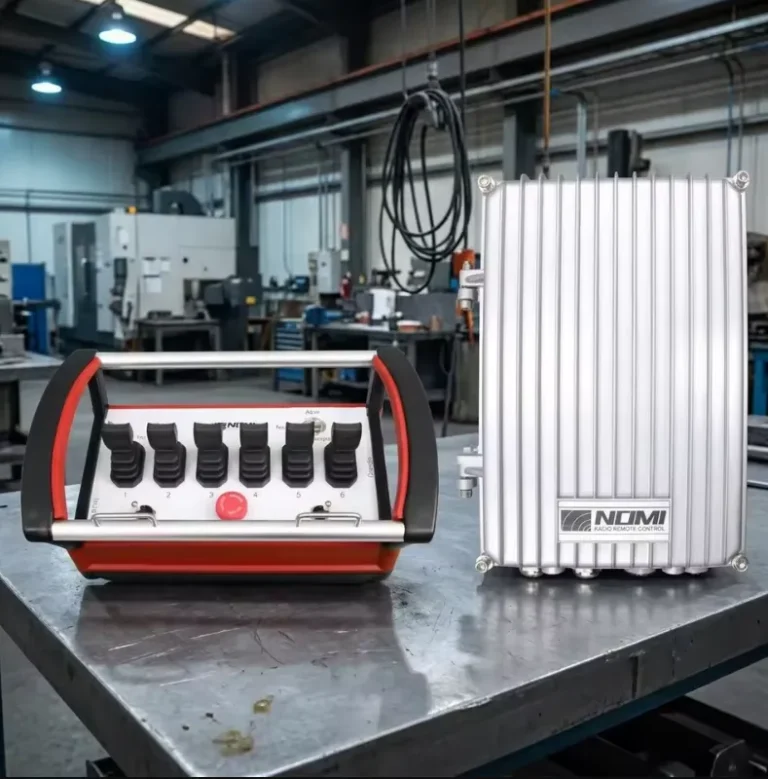
Nachrüstsätze für die Funkfernsteuerung von Hydrauliksystemen ermöglichen die Umrüstung manuell bedienter Hydraulikmaschinen auf Funkfernsteuerung innerhalb von 4 bis 16 Stunden, ohne dass der bestehende Hydraulikkreislauf ausgetauscht werden muss, wodurch die Sicherheit des Bedieners um 40% bis 65% verbessert und Kabelausfälle beseitigt werden, die für 23% der Ausfallzeiten von Hydrauliksteuerungssystemen verantwortlich sind. Die Nachrüstsysteme, die mit proportionalen und Ein-/Aus-Hydraulik-Wegeventilen kompatibel sind, arbeiten mit 868 MHz oder 915 MHz FHSS und verfügen über zertifizierte SIL-2-Failsafe-Architekturen. Bei Nomi haben wir diese Umrüstungen entwickelt und weltweit in den Bereichen Holzverarbeitung, Bauwesen, Schifffahrt und industrielle Pressenanwendungen eingesetzt.
Was ist ein hydraulisches Fernsteuerungssystem und wie funktionieren drahtlose Nachrüstsätze?
Ein hydraulisches Fernsteuerungssystem ist eine Steuerungsarchitektur, bei der die direkte mechanische oder manuelle Betätigung von hydraulischen Wegeventilen durch elektrisch betätigte Magnetventile oder Proportionalventilantriebe ersetzt wird, die entweder über fest verdrahtete Hängesteuerungen oder – bei nachgerüsteten Funkanwendungen – über Funkfrequenzsignale gesteuert werden, die von einem Hand- oder am Körper getragenen Bediensender gesendet werden.
Drahtlose Nachrüstsätze erweitern bestehende Hydraulikmaschinen um eine Funksteuerung, ohne dass der Hydraulikkreislauf neu konstruiert werden muss. Bei diesem Nachrüstansatz werden elektrisch betätigte Ventilantriebe an den vorhandenen Schiebern der Wegeventile installiert, eine Empfängereinheit an das elektrische System der Maschine angeschlossen und dem Bediener ein tragbarer Funksender zur Verfügung gestellt. Aus Sicht des Hydrauliksystems erhält das Ventil dieselben Befehle zur Schieberverschiebung wie bei einem mechanischen Hebel; der Unterschied besteht darin, dass die Kraft, die den Schieber bewegt, von einem per Funk angesteuerten elektrischen Magnetventil stammt und nicht von der Hand des Bedieners.
Bei diesem Nachrüstkonzept bleiben die vorhandene Hydraulikpumpe, die Überdruckventile, die Filterbaugruppen, die Stellantriebe und die Kreistopologie erhalten. Die Investitionskosten liegen deutlich unter denen eines Austauschs des gesamten Hydrauliksystems, und die Ausfallzeit während der Installation beträgt nur wenige Stunden statt Tage oder Wochen. Laut dem von Moog Industrial (2022) veröffentlichten „Mobile Hydraulics Market Intelligence Report“ werden mittlerweile mehr als 60% der Nachrüstungen für hydraulische Fernsteuerungen im Bau- und Forstmaschinenbereich als drahtlose Nachrüstungen an bestehenden Maschinen durchgeführt, anstatt neue Maschinen mit werkseitig eingebauten drahtlosen Systemen anzuschaffen.
Der grundlegende Betriebsablauf eines drahtlosen Hydraulik-Nachrüstsystems ist einfach: Der Bediener bewegt einen Joystick oder drückt eine Taste am Funksender; der Sender codiert den Befehl in ein Funkpaket und sendet ihn mit einer Rate von 20 bis 100 Paketen pro Sekunde; der Empfänger an der Maschine decodiert das Paket, überprüft den Adresscode und die CRC-Prüfsumme und aktiviert den entsprechenden Magnetventilausgang; das Magnetventil verschiebt den Schieber des Wegeventils und leitet den Hydraulikstrom zum ausgewählten Aktuator; und der Aktuator (Zylinder, Hydraulikmotor oder Drehantrieb) bewegt sich in die befohlene Richtung mit der befohlenen Geschwindigkeit.
Wir bei Nomi haben festgestellt, dass Ingenieurteams, die zum ersten Mal eine Umrüstung auf hydraulische Funktechnik in Angriff nehmen, häufig die Bedeutung der elektrischen Schnittstelle zwischen Empfänger und Ventil unterschätzen. Die richtige Auslegung dieser Schnittstelle – also die Anpassung von Ausgangsspannung und -strom an die Spezifikationen des Magnetventils sowie die Wahl des richtigen Ausgangstyps für Proportional- bzw. Ein-/Aus-Ventile – entscheidet darüber, ob die Umrüstung die für die Anwendung erforderliche reibungslose und präzise Steuerung gewährleistet.
Bei welchen Anwendungen im Bereich der Hydraulikmaschinen lassen sich drahtlose Nachrüstsätze am besten einsetzen?
Drahtlose Nachrüstsätze eignen sich für ein außerordentlich breites Spektrum an Hydraulikmaschinen, von kompakten Forstmaschinen bis hin zu großen Industriepressen und Schiffsdeckmaschinen. Das Wissen darum, wo Nachrüstungen den größten betrieblichen Nutzen bringen, hilft dabei, Investitionsentscheidungen zu priorisieren.
Anwendungsmatrix und Hauptvorteile
| Anwendungskategorie | Typische Ausrüstung | Wichtigster Sicherheitsvorteil | Vorteil der Primärproduktivität | Komplexität bei der Nachrüstung |
|---|---|---|---|---|
| Forstwirtschaft und Holz | Stammlader, Rückeschlepper, Holzkräne | Bediener außerhalb des Bereichs, in dem Baumstämme herunterfallen | Schnellere Taktzeiten, bessere Holzstammplatzierung | Mittel |
| Baumaschinen | Betonpumpen, Rammgeräte, Bohrmaschinen | Der Bediener hält sich von Quetschstellen und herabfallenden Lasten fern | Verbesserte Genauigkeit bei Präzisionsarbeiten | Mittel |
| Schiffsdeckausrüstung | Deckkräne, Winden, Ankerwinden, Rampen | Der Bediener sitzt so, dass er optimale Sicht hat | Sanftere Lastregelung bei Seegang | Hoch (Umwelt) |
| Industrielle Pressen und Umformtechnik | Hydraulische Abkantpressen, Schmiedepressen | Bediener befindet sich außerhalb des Presshubbereichs | Der freihändige Betrieb ermöglicht die Befestigung | Niedrig bis mittel |
| Landwirtschaftliche Maschinen | Ballenpressen, Streuer, Ladearme | Geringere Ermüdung des Fahrers | Präzise Steuerung der Anbringung | Niedrig |
| Abfall und Recycling | Verdichter, Ballenpressen, Shredder-Zuführungen | Bediener außerhalb des Gefahrenbereichs am Materialzufuhrbereich | Dauerbetrieb ohne Näherung | Mittel |
| Oberflächenausrüstung für die Öl- und Gasindustrie | Blowout-Preventer, Bohrlochkopfausrüstung | Bediener hält bei Druckvorgängen einen Sicherheitsabstand ein | Fernsteuerung bei gefährlichen Arbeitsvorgängen | Hoch (ATEX) |
| Versorgungsanlagen | Hubarbeitsbühnen, Kabelaufwickler, Trommelhandler | Bedienerpositionen für optimale Sicht | Ein einziger Bediener steuert die Beladung und den Transport | Niedrig bis mittel |
| Oberflächenausrüstung für den Bergbau | Dachverankerungsmaschinen, Strebbagger, Zuführer | Bediener hält sich von Bohr- und Schneidbereichen fern | Gleichmäßige Vorschubgeschwindigkeiten ohne Ermüdung des Bedieners | Hoch (Staub) |
| Schiffs- und Hafenausrüstung | Lukenabdeckungen, Anlegewinden, Ladungsumschlag | Reduzierte Besatzungsstärke an Deck während des Betriebs | Koordinierte Multifunktionssteuerung | Hoch |
Forstwirtschaft und Holzindustrie: Der Sektor, in dem die Nachrüstung mit drahtloser Hydraulik ausgereift ist
Die Forstwirtschaft leistete Pionierarbeit bei der Nachrüstung mit drahtlosen hydraulischen Fernsteuerungen, was durch die extreme Gefährlichkeit der manuellen Bedienung von Ladekränen und Greifvorrichtungen in der Nähe von gefälltem Holz bedingt war. Die schwedische Arbeitsschutzbehörde (Arbetsmiljöverket) dokumentierte in ihrem Sicherheitsbericht für Forstmaschinen aus dem Jahr 2019, dass ferngesteuerte Holzkrane die Rate schwerer Verletzungen bei Bedienern im Vergleich zu aus der Kabine bedienten Maschinen bei vergleichbaren Holzeinschlagarbeiten um 67% reduzierten. Dieser enorme Sicherheitsvorteil führte zu einer Verbreitung, die in der skandinavischen professionellen Forstwirtschaft mittlerweile fast flächendeckend ist, wobei drahtlose Fernsteuerungssysteme bei neuen Forstmaschinen von Ponsse, Komatsu Forest und John Deere zur Standardausstattung gehören.
Anwendungsbereiche von Betonpumpen
Betonpumpen auf LKWs stellen weltweit einen der erfolgreichsten Märkte für die Nachrüstung mit Funktechnik dar. Bediener, die die Auslegerposition und den Betonfluss über ein kabelgebundenes Handbediengerät steuern, sind auf Positionen in der Nähe des LKWs beschränkt, oft innerhalb der Fallzone des Auslegers oder der Betonspritzzone. Drahtlose Nachrüstungen ermöglichen es den Bedienern, sich direkt am Ort der Betonierung zu positionieren, wodurch die Einbauqualität verbessert und Unfälle durch Kollisionen des Auslegers aufgrund eingeschränkter Sichtverhältnisse vermieden werden.
Die American Concrete Pumping Association (ACPA) berichtete in ihren Sicherheitsstatistiken für das Jahr 2021, dass beim Einsatz von drahtlos ferngesteuerten Pumpen im Vergleich zum Betrieb mit kabelgebundenen Handsteuerungen im gleichen Zeitraum 41% weniger Unfälle durch Auslegerkollisionen und 55% weniger Unfälle durch Zusammenstöße mit dem Bediener verzeichnet wurden.
Was sind die Kernkomponenten eines hydraulischen Nachrüstsatzes für die drahtlose Steuerung?
Ein kompletter Nachrüstsatz für drahtlose Hydrauliksysteme enthält mehrere integrierte Komponenten, die zuverlässig zusammenarbeiten müssen. Das Verständnis der Funktion und der technischen Daten jeder einzelnen Komponente hilft Ingenieuren dabei, die Vollständigkeit und Qualität des Satzes zu beurteilen.
Aufschlüsselung der Komponenten des kompletten Nachrüstsatzes
| Komponente | Funktion | Wichtigste technische Daten | Qualitätsindikatoren |
|---|---|---|---|
| Funksender | Eingabe von Bedienbefehlen, Kodierung, Übertragung | Frequenz, Schutzart, Anzahl der Tasten/Joysticks, Akkulaufzeit | IP67+, FHSS, zertifizierte Sicherheitsklasse |
| Radioempfänger | Signaldekodierung, Adressüberprüfung, Ausgangssteuerung | Ausgangstyp, Kanalanzahl, Sicherheitsarchitektur, PL-Stufe | PL d Not-Aus, Watchdog-Timer <200 ms |
| Magnetventilspulen | Umwandlung eines elektrischen Signals in eine Ventilspulenkraft | Spannung (12/24 VDC), Stromaufnahme, IP-Schutzart, Steckertyp | Anpassung an vorhandene Ventilkörper |
| Proportionalventil-Verstärker | Analogsignal in proportionalen Magnetstrom umwandeln | Eingangssignalbereich, Ausgangsstrombereich, Dither-Einstellung | DIN-Schienenmontage, einstellbarer Dither |
| Stromversorgung/Stromrichter | Die Stromversorgung der Maschine an die Anforderungen des Verbrauchers anpassen | Eingangsspannungsbereich, Ausgangsregelung, Schutzklasse | Breiter Eingangsspannungsbereich (typischerweise 9–32 VDC) |
| Not-Aus-Relais | Ausfallsichere Abschaltschaltung, fest verdrahtete Sicherheitsreserve | NC-Kontaktbelastbarkeit, PL-Bewertung, Rücksetzanforderung | PL d-zertifiziert, überwacht |
| Kabelbaum | Vorkonfektionierte Verbindung zwischen Empfänger und Ventilen | Leiterquerschnitt, Steckertyp, Länge, Nennleistung | IP67-Steckverbinder, korrekte AWG-Nennweite |
| Befestigungsmaterial | Empfänger und Komponenten an der Maschine befestigen | Material (Edelstahl oder verzinkt), Vibrationsfestigkeit | Edelstahl wird für den Außenbereich bevorzugt |
| Programmierschnittstelle | Systemparameter konfigurieren, Kopplung, Ausgangskalibrierung | Softwareplattform, USB- oder Bluetooth-Verbindung | Intuitive Benutzeroberfläche, Parameterdokumentation |
| Dokumentationspaket | Anleitungen zur Installation, zum Betrieb und zur Wartung | Sprache, Vollständigkeit, Zertifizierungsunterlagen | CE-Konformitätserklärung, FCC-ID, Schaltpläne |
Die Empfangseinheit: Das Herzstück des Nachrüstsystems
Der Empfänger ist die technisch anspruchsvollste Komponente eines Nachrüstsatzes für drahtlose Hydrauliksysteme. Er muss drei Funktionen gleichzeitig erfüllen: Empfang und Dekodierung von Funksignalen, Überwachung durch einen Sicherheits-Watchdog sowie Erzeugung von Ausgangssignalen für die Magnetventile.
Professionelle hydraulische Nachrüstempfänger werden in Gehäusen der Schutzart IP67 montiert, die für die Oberflächenmontage an Maschinen in Umgebungen mit Regen, Schlamm und Staub geeignet sind. Sie werden über einen Eingangsspannungsbereich an die Batterie oder das Bordnetz der Maschine angeschlossen, der breit genug ist, um die für mobile Geräte typischen Spannungsschwankungen zu bewältigen (9 bis 32 VDC deckt sowohl 12-V- als auch 24-V-Systeme mit unterschiedlichem Batteriezustand ab). Die Anzahl der Ausgangskanäle variiert zwischen 4 und 24 und richtet sich nach der Anzahl der zu steuernden Hydraulikfunktionen.
Der Sicherheits-Watchdog im Empfänger überwacht die Intervalle der eingehenden Funkpakete. Wenn innerhalb der Watchdog-Zeitüberschreitung (100 bis 500 Millisekunden, in Quality-Systemen konfigurierbar) kein gültiges Paket vom gekoppelten Sender eintrifft, schaltet der Empfänger alle Ausgänge ab, und das Hydrauliksystem wechselt in seinen sicheren Zustand (in der Regel werden alle Aktuatoren angehalten und durch Ausgleichs- oder Halteventile in Position gehalten). Dieses ausfallsichere Verhalten ist die Hardware-Umsetzung der Sicherheitsanforderung gemäß EN ISO 13849-1 und ISO 15817.
Kompatibilität von Magnetspulen
Hydraulische Wegeventile sind entweder mit Nassmagnetspulen (in Öl getaucht) oder mit Trockenmagnetspulen ausgestattet. Nachrüstsätze müssen Spulen enthalten, die den Abmessungen des Spulenraums und der elektrischen Schnittstelle des vorhandenen Ventilkörpers entsprechen. Die gängigsten Normen für industrielle Magnetspulen sind:
DIN 43650 (Euro-Steckverbinder): Rechteckiger 3-poliger Stecker, Schutzart IP65 bis IP67, erhältlich in den Ausführungen 12 VDC, 24 VDC, 110 VAC und 230 VAC. Der führende Standard für industrielle Hydraulikventile von Bosch Rexroth, Parker, Eaton Vickers und Danfoss.
AMP Superseal-Steckverbinder: IP67-abgedichteter 2-poliger Stecker, der bei Magnetventilen mobiler Hydraulikanlagen zum Einsatz kommt und häufig bei Ventilen von Sauer-Danfoss und Bucher Hydraulics zu finden ist.
Anschlussdrähte (blanker Drahtanschluss): Einfache Anschlussart, die eine Verkabelung vor Ort erfordert; wird bei kostengünstigeren Ventilbaugruppen und einigen Hydraulikgeräten für den asiatischen Markt verwendet.
In Nachrüstsätzen sollte die Kompatibilität der Spulen mit den vorhandenen Ventilkörpern angegeben werden. Ein nicht passender Spulenwiderstand kann zu einer Überhitzung des Magnetventils, einem vorzeitigen Ausfall der Spule oder einer unzureichenden Schaltkraft führen, was allesamt Funktions- und Sicherheitsprobleme zur Folge hat.
Wie wählen Sie das richtige Funk-Nachrüstset für Ihr Hydrauliksystem aus?
Die Auswahl des richtigen Nachrüstsatzes für die drahtlose Ansteuerung erfordert eine systematische Bewertung des bestehenden Hydrauliksystems, der Betriebsumgebung, der erforderlichen Steuerungsfunktionen und der geltenden Sicherheitsnormen.
Checkliste zur Informationsbeschaffung im Vorfeld der Vorauswahl
Bevor Ingenieure die verschiedenen Nachrüstsatz-Optionen prüfen, sollten sie Folgendes dokumentieren:
- Anzahl und Art der Hydraulikfunktionen, die ferngesteuert werden müssen (Ein/Aus, proportional oder beides)
- Angaben zu Marke, Modell und technischen Daten der Magnetspule (Spannung, Stromstärke, Steckertyp) des vorhandenen Wegeventils
- Spannung des elektrischen Systems der Maschine (12 VDC, 24 VDC oder Wechselstrom)
- Einstufung der Einsatzumgebung (Innenbereich, Außenbereich, Nassreinigung, explosionsgefährdete Bereiche)
- Betriebstemperaturbereich (minimale und maximale Umgebungstemperatur)
- Erforderlicher maximaler Arbeitsbereich zwischen Bediener und Maschine
- Frequenzrechtliche Vorschriften für das Land, in dem der Betrieb stattfindet
- Geltende Sicherheitsnormen (EN ISO 13849-1, IEC 62061, gegebenenfalls ATEX)
- Anzahl der erforderlichen gleichzeitigen Bediener
- Für den Markteintritt erforderliche Zertifizierungen (CE, FCC, ATEX, DNV usw.)
Entscheidungsmatrix für die Auswahl
| Auswahlkriterium | Optionen | Empfohlene Wahl | Begründung |
|---|---|---|---|
| Erforderliche Steuerungsart | Nur Ein/Aus | Drucktaster-Sender, Relaisausgänge | Einfacher, kostengünstiger, geeignet für Ein-/Aus-Ventile |
| Erforderliche Steuerungsart | Proportionale Drehzahlregelung | Joystick-Sender, analoge/PWM-Ausgänge | Erforderlich für eine reibungslose Proportionalventilsteuerung |
| Stromversorgung der Maschine | 12 VDC | Das Set ist für eine Eingangsspannung von 9–32 VDC ausgelegt | Der große Eingangsbereich gleicht Spannungsschwankungen aus |
| Stromversorgung der Maschine | 24 VDC | Das Set ist für eine Eingangsspannung von 9–32 VDC ausgelegt | Derselbe breite Anwendungsbereich deckt auch 24-V-Systeme ab |
| Umwelt | In Innenräumen, trocken | Empfänger mit mindestens Schutzart IP54 | Geeignet für saubere Innenräume |
| Umwelt | Im Freien, Regen | Empfänger und Sender nach Schutzklasse IP67 | Verhindert das Eindringen von Wasser bei freiliegender Befestigung |
| Umwelt | Waschfest oder für den Einsatz auf See geeignet | IP67 oder IP68, Edelstahlbeschläge | Dauerhafter Schutz vor Wassereinwirkung |
| Umwelt | Explosionsgefährdete Atmosphäre | Zertifiziert nach ATEX/IECEx für Zone 2 oder Zone 1 | Vorgeschrieben für klassifizierte explosionsgefährdete Bereiche |
| Einsatzbereich | Bis zu 100 m | Standard 433 MHz FHSS | Geeignet für den Einsatz auf beengten Baustellen |
| Einsatzbereich | 100–300 m | 868/915 MHz FHSS | Größere Reichweite und höhere Störfestigkeit |
| Anzahl der Funktionen | 4–8 Funktionen | 8-Kanal-Empfänger | Entspricht typischen Hydraulikkreisläufen für Einzelmaschinen |
| Anzahl der Funktionen | 8–16 Funktionen | 16-Kanal-Empfänger | Steuerung komplexer Multifunktionsmaschinen |
| Sicherheitsanforderung | Allgemeine Industrie | PL d Not-Aus, Watchdog-Failsafe | Anforderung gemäß der Norm EN ISO 13849-1 |
| Sicherheitsanforderung | Anwendung mit hohem Risiko | SIL-2-zertifiziertes System | Anforderungen der Norm IEC 62061 für sicherheitskritische Systeme |
| Budget | Kostenbewusst | Asiatisches OEM-Kit mit CE-/FCC-Zertifizierung | Für unkritische Anwendungen geeignet |
| Budget | Leistungskritisch | Europäische Profi-Ausrüstung | Höchste Zuverlässigkeit und bester Support |
Überprüfung der Ventilkompatibilität
Die Kompatibilität der Ventile ist die häufigste Ursache für Fehlschläge bei Nachrüstungen, wenn sie nicht ordnungsgemäß überprüft wird. Die Schritte zur Überprüfung der Ventilkompatibilität sind:
Schritt 1: Ermitteln Sie den Hersteller, die Modellnummer und die Baureihe des Ventils anhand des Typenschilds am Ventilkörper oder des Hydraulikschemas.
Schritt 2: Entnehmen Sie dem Datenblatt des Ventilherstellers die technischen Daten der Magnetspule: Nennspannung, Nennstrom (oder Widerstand), Spulenklasse (Isolations-Temperaturklasse) und Steckertyp.
Schritt 3: Überprüfen Sie, ob es sich um ein Ein-/Aus-Ventil (Schaltventil) oder ein Proportionalventil handelt (für das ein Proportionalverstärker und ein stromgesteuerter Treiber erforderlich sind).
Schritt 4: Vergewissern Sie sich, dass der Ausgangstyp des Empfängers des Nachrüstsatzes (Relais, Halbleiter-Ein/Aus oder proportionaler Strom) den Anforderungen des Magnetventils entspricht.
Schritt 5: Bei Proportionalventilen ist zu überprüfen, ob der im Lieferumfang enthaltene (oder als Zubehör erhältliche) Ventilverstärker mit der Stromregelkurve des Ventils und den Anforderungen an die Hystereseausgleichung übereinstimmt.
Welche Sicherheitsnormen und Zertifizierungen gelten für hydraulische Funkfernsteuerungen?
Hydraulische drahtlose Fernsteuerungssysteme unterliegen je nach Anwendungsbereich, geografischem Standort und Risikograd mehreren sich überschneidenden Rechtsrahmen.
Referenztabelle für regulatorische Standards
| Standard | Ausstellende Stelle | Geltungsbereich | Bedeutung der hydraulischen Nachrüstung |
|---|---|---|---|
| ISO 15817:2012 | ISO | Sicherheitsanforderungen, industrielle Fernsteuerung | Direkte Anwendbarkeit auf alle drahtlosen Fernbedienungssysteme |
| EN ISO 13849-1:2015 | ISO/CEN | Sicherheitsrelevantes Steuerungssystem PL | Anforderungen an Not-Aus und ausfallsichere Programmlogik (PL d) |
| IEC 62061:2021 | IEC | Funktionale Sicherheit SIL | SIL 2 für hydraulische Anwendungen mit hohem Risiko |
| EN 13557:2003+A2:2008 | CEN | Steuerungen für Kräne | Anwendungen für die Nachrüstung von Hydraulikkranen |
| ISO 11684 | ISO | Sicherheitsschilder und Piktogramme | Kennzeichnungen an nachgerüsteten Geräten |
| ATEX-Richtlinie 2014/34/EU | EU | Geräte für explosionsgefährdete Bereiche | Vorgeschrieben für Zone 1/2 und Zone 21/22 |
| IECEx IEC 60079 | IEC | Zertifizierung für explosionsgefährdete Bereiche | Weltweit ATEX-konform |
| EN 300 220-2 | ETSI | Funkgeräte, EU-ISM-Bänder | Typgenehmigung für 868-MHz-Systeme in der EU |
| FCC Teil 15 Unterabschnitt C | FCC | Intentional Radiators, USA | Obligatorische FCC-ID für den US-Markt |
| IC RSS-210/247 | ISED | Funkgeräte aus Kanada | Zulassung auf dem kanadischen Markt |
| ISO 4254 (Reihe) | ISO | Sicherheit bei landwirtschaftlichen Maschinen | Hydraulische Fernsteuerung für landwirtschaftliche Maschinen |
| LOLER (Großbritannien) | HSE (Großbritannien) | Vorschriften für Hebezeuge | Hydraulische Fernbedienungen für Kräne und Hebezeuge (Großbritannien) |
| PSSR 2000 (Großbritannien) | HSE (Großbritannien) | Sicherheit von Drucksystemen | Sicherheitsaspekte im Zusammenhang mit Hydrauliksystemen |
| DNV-ST-0373 | DNV | Fernbedienung für den maritimen Einsatz | Hydraulische Decksausrüstung für Offshore-Anlagen und Schiffe |
ISO 15817: Die wichtigste Norm für die Sicherheit bei hydraulischen Fernsteuerungen
ISO 15817:2012 (Sicherheitsanforderungen an die Konstruktion von Fernsteuerungssystemen für Maschinen) ist die Norm, die am unmittelbarsten auf drahtlose Hydraulik-Nachrüstsätze anwendbar ist. Zu ihren Anforderungen gehören:
Ausfallsicherer Stopp bei Signalausfall: Das System muss bei einer Unterbrechung der Funkverbindung, bei Entladung der Batterie oder bei einer Beschädigung des Senders innerhalb einer festgelegten Zeit einen sicheren Stopp aller Aktuatoren anweisen.
Eindeutige Identifizierung des Betreibers: Der Sender muss eindeutig als für eine bestimmte Maschine zuständig gekennzeichnet sein. Mehrere Maschinen in unmittelbarer Nähe dürfen nicht auf die Sender der jeweils anderen Maschinen reagieren.
Verhinderung eines unbeabsichtigten Starts: Das System muss eine festgelegte Startsequenz vorschreiben (in der Regel: Sender einschalten, Maschinenkennung bestätigen, Starttaste betätigen, dann Bewegungsbefehl erteilen), um unbeabsichtigte Bewegungsbefehle zu verhindern.
Toleranz gegenüber einzelnen Ausfallstellen: Sicherheitsfunktionen dürfen nicht von einer einzigen Komponente abhängen, deren Ausfall die Ausfallsicherheit zunichte machen würde.
Kennzeichnung von Sendern: Der Sender muss mit deutlichen Beschriftungen versehen sein, aus denen hervorgeht, welche Maschine er steuert und welche Funktion die einzelnen Bedienelemente haben.
ATEX-Zertifizierung für Anwendungen in explosionsgefährdeten Bereichen
Hydraulikmaschinen, die in Umgebungen mit explosionsgefährdeten Bereichen eingesetzt werden (Öl- und Gasindustrie, chemische Verarbeitung, Getreideumschlag, Lackierkabinen), erfordern ATEX-zertifizierte Komponenten zur drahtlosen Nachrüstung. Die ATEX-Zertifizierung gemäß der Richtlinie 2014/34/EU klassifiziert Geräte nach Zonen:
- Zone 1 / Kategorie 2G: Im Normalbetrieb können explosionsfähige Gasatmosphären auftreten. Erfordert eine Zertifizierung nach Ex ib IIC T4 oder höher.
- Zone 2 / Kategorie 3G: Explosionsfähige Gasatmosphären sind im Normalbetrieb zwar unwahrscheinlich, aber möglich. Erfordert Ex nA IIC T4 oder höher.
- Zone 21 / Kategorie 2D: Explosionsfähige Staubatmosphären im Normalbetrieb.
- Zone 22 / Kategorie 3D: Explosionsfähige Staubatmosphären sind möglich, aber unwahrscheinlich.
ATEX-zertifizierte Komponenten für die Nachrüstung von Funksystemen sind bei Fachhändlern wie Hetronic (ATEX-Sender), Autec und HBC-radiomatic erhältlich. Das gesamte System, einschließlich Sender, Empfänger und Magnetventil-Schnittstelle, muss über die für den klassifizierten Bereich erforderlichen ATEX-Zulassungen verfügen.
Wie läuft der Prozess der Nachrüstung und Inbetriebnahme eigentlich ab?
Eine gut geplante Nachrüstung mit drahtloser Hydraulik erfolgt nach einem festgelegten Ablauf, der die Ausfallzeiten der Maschine minimiert, die korrekte Verkabelung der Ventilschnittstellen gewährleistet und alle Sicherheitsfunktionen überprüft, bevor die Maschine wieder in Betrieb genommen wird.
Ablauf der Installationsphase
| Phase | Dauer | Wichtigste Aktivitäten | Abschlusskriterien |
|---|---|---|---|
| Bestandsaufnahme vor der Installation | 2–4 Stunden | Ventilidentifizierung, Überprüfung der elektrischen Anlage, Auswahl der Befestigungspunkte | Schriftlicher Untersuchungsbericht, bestätigte Kompatibilität |
| Austausch der Magnetspule | 1–3 Stunden | Vorhandene manuelle oder kabelgebundene Spulen entfernen und neue elektrisch betätigte Spulen einbauen | Alle Spulen sind eingebaut und der Widerstand wurde überprüft |
| Montage der Empfängereinheit | 1–2 Stunden | Befestigen Sie den Empfänger an der gewünschten Stelle, verlegen Sie das Stromkabel und schließen Sie es an. | Empfänger mechanisch gesichert, Stromversorgung überprüft |
| Anschluss der Ventile | 2–4 Stunden | Verbinden Sie die Ausgangsklemmen des Empfängers mit den Anschlüssen der Magnetspule. | Alle Verbindungen wurden mit einem Durchgangstest überprüft |
| Verdrahtung der Sicherheitsschaltung | 1–2 Stunden | Schließen Sie das Not-Aus-Relais an den Sicherheitsstromkreis der Maschine an. | Not-Aus durch manuellen Test überprüft |
| Kopplung von Sender und Empfänger | 0,5–1 Stunde | Einzigartige Systemadresse gemäß Herstelleranleitung programmieren | Kopplung durch Funktionstest bestätigt |
| Inbetriebnahme der Funktionszuordnung | 1–3 Stunden | Ordnen Sie jede Taste bzw. jeden Joystick des Senders dem entsprechenden Ventil und der Bewegungsrichtung zu | Alle Funktionen wurden anhand des Maschinenschemas überprüft |
| Proportionale Kalibrierung | 1–2 Stunden | Kalibrierung der Skalierung des Joystick-Ausgangs auf die Reaktion des Ventilverstärkers und des Stellantriebs | Antriebsgeschwindigkeit proportional zur Joystick-Eingabe |
| Failsafe-Tests des Watchdogs | 0,5–1 Stunde | Sendersignal blockieren, kontrollierten Stopp innerhalb der Watchdog-Zeitüberschreitung überprüfen | Stopp innerhalb des festgelegten Zeitlimits erreicht |
| Reichweitentest | 0,5–1 Stunde | Sicherstellen, dass der Betrieb in allen Positionen innerhalb des Arbeitsbereichs zuverlässig funktioniert | Kein Signalverlust innerhalb der festgelegten Betriebsgrenzen |
| Dokumentation und Übergabe | 1–2 Stunden | Vollständiges Inbetriebnahmeprotokoll, Zugführer, Übergabedokumente | Unterzeichnete Inbetriebnahmeprotokolle, Abzeichnung durch den Betreiber |
Vorgehensweise beim Austausch der Magnetspule
Der Austausch von manuell betätigten Spulen durch elektrisch betätigte Magnetspulen ist der Schritt im Nachrüstungsprozess, der am stärksten auf die Hydraulik ausgerichtet ist. Das Verfahren erfordert:
- Entlasten Sie den Hydraulikkreis gemäß dem Lockout/Tagout-Verfahren des Maschinenherstellers.
- Jede vorhandene Ventilspule identifizieren und mit ihrer Funktion kennzeichnen (z. B. Ausleger hoch/runter, nach links/rechts drehen)
- Die vorhandenen Kabel der Spule abklemmen oder die Hebel des mechanischen Stellantriebs entfernen
- Die vorhandenen Spulenbaugruppen vom Ventilkörper abschrauben (in der Regel Befestigungsmutter mit Gewinde M16 bis M24)
- Neue Magnetventilspulen mit entsprechenden elektrischen Spezifikationen einbauen und die Befestigungsmuttern gemäß den Herstellerangaben anziehen (in der Regel 3–8 Nm)
- Schließen Sie die Spulenverkabelung gemäß der vorab festgelegten Funktionszuordnung an die Ausgangsklemmen des Empfängers an.
- Überprüfen Sie vor dem Einschalten den Spulenwiderstand mit einem Multimeter anhand der technischen Daten.
Zu den häufigsten Montagefehlern zählen das zu feste Anziehen der Befestigungsmuttern (was zu inneren Schäden an der Spule führt), die vertauschte Verdrahtung der Richtungspaare (was zu einer umgekehrten Bewegung führt) sowie die falsche Zuordnung der Ventilfunktionen bei Mehrventil-Verteilerblöcken. Durch die Vorabkennzeichnung aller Ventile im Rahmen der Bestandsaufnahme vor der Montage lassen sich die häufigsten Fehler vermeiden.
Inbetriebnahme eines Proportionalsystems
Proportionale Nachrüstsysteme erfordern im Vergleich zu Ein-/Aus-Systemen zusätzliche Inbetriebnahmeschritte. Nach der Überprüfung der Grundfunktionen umfasst die Kalibrierung des proportionalen Ausgangs folgende Schritte:
Einstellung der Totzone: Stellen Sie die Totzone des Joysticks in der Sender- oder Empfängersoftware so ein, dass der Ventilschieber in der Mitte bleibt, wenn sich der Joystick im Bereich von 5% bis 10% von der Mitte befindet. Eine zu enge Totzone führt zu einem Kriechen des Stellantriebs aufgrund des Nullpunktversatzes des Joysticks; eine zu weite Totzone verringert den effektiven Regelbereich.
Einstellung für maximale Leistung: Stellen Sie sicher, dass eine vollständige Joystick-Auslenkung zu einer maximalen Ventilöffnung führt, indem Sie die maximale Stellgeschwindigkeit beobachten und diese mit dem aus der Durchflussberechnung des Hydraulikkreislaufs ermittelten erwarteten Wert vergleichen.
Einstellung der Rampenzeit: Stellen Sie die Beschleunigungs- und Verzögerungsrampenzeiten am Empfänger oder am Ventilverstärker so ein, dass ein sanfter Bewegungsbeginn ohne hydraulischen Stoß gewährleistet ist. Anfangsrampenzeiten von 0,5 bis 1,5 Sekunden eignen sich für die meisten mobilen Hydraulikanwendungen; die Feinabstimmung erfolgt durch Beobachtung des Lastverhaltens während der Testzyklen.
Überprüfung der Druckentlastung: Stellen Sie sicher, dass die Einstellungen des Systemüberdruckventils durch den Austausch des Magnetventils nicht beeinflusst werden und dass die maximale Antriebskraft innerhalb der strukturellen Grenzen bleibt.
Welche Optionen für eine proportionale bzw. eine Ein-Aus-Regelung stehen bei der Nachrüstung von Hydrauliksystemen zur Verfügung?
Die Wahl zwischen einer Proportionalregelung und einer Ein-/Aus-Regelung (Schaltregelung) bestimmt maßgeblich die Leistungsmerkmale des nachgerüsteten Systems sowie die Komplexität und die Kosten des Nachrüstsatzes.
Hydraulische Ein-/Aus-Steuerung (Schaltbetrieb)
Bei der Ein-/Aus-Magnetventilsteuerung wird der Schieber des Wegeventils vollständig in die eine oder andere Richtung verschoben, ohne dass eine Zwischenstellung möglich ist. Der Durchfluss zum Stellantrieb liegt entweder auf dem Maximum (vollständige Schieberverschiebung) oder bei Null (Mittelstellung). Die Drehzahlregelung in Ein-/Aus-Systemen erfolgt über separate Durchflussregelventile oder druckkompensierte Verstellpumpen und nicht über das Wegeventil.
Nachrüstsätze für Ein-/Aus-Betrieb nutzen einfache Relaisausgänge im Empfänger, um die Spannung der Magnetspule ein- oder auszuschalten. Dies ist die einfachste und kostengünstigste Nachrüstoption, die sich in folgenden Fällen eignet:
- Der bestehende Hydraulikkreislauf verfügt bereits über Durchflussregelventile zur Drehzahlregelung
- Die Anwendung erfordert lediglich einfache Funktionen zum Aus- und Einfahren sowie zum Drehen und Anhalten.
- Eine präzise Drehzahlregelung ist im Betrieb nicht erforderlich
- Budgetbeschränkungen sprechen für die kostengünstigere Variante
Proportionale Hydrauliksteuerung
Bei der Proportionalsteuerung wird der Schieber des Wegeventils proportional zum Eingangssignal in eine Zwischenposition bewegt, wodurch der Durchfluss gedrosselt und somit die Geschwindigkeit des Stellglieds stufenlos von Null bis zum Maximum geregelt wird. Dies erfordert Proportional-Wegeventile (im Gegensatz zu Schaltventilen) sowie einen Proportionalventilverstärker, der das analoge Eingangssignal in einen präzise geregelten Magnetstrom umwandelt.
Proportionale Nachrüstsätze umfassen einen Empfänger mit analogem Ausgang (0–10 VDC, ±10 VDC oder 4–20 mA) und einen kompatiblen Ventilverstärker. Die höheren Kosten und die größere Komplexität sind in folgenden Fällen gerechtfertigt:
- Eine sanfte, stufenlose Drehzahlregelung des Stellantriebs ist erforderlich
- Beim Lastumschlag ist eine allmähliche Beschleunigung erforderlich, um Stoßbelastungen und Schwankungen zu minimieren
- Eine hohe Positioniergenauigkeit ist für den Betrieb entscheidend
- Der bestehende Kreislauf verwendet proportionale Wegeventile
Leistungsvergleich
| Merkmal | Ein-/Aus-Steuerung | Proportionalregelung |
|---|---|---|
| Verfahren zur Drehzahlregelung | Fest (voller Durchfluss oder kein Durchfluss) | Stufenlos einstellbar 0–100% |
| Positioniergenauigkeit | Eingeschränkt durch feste Geschwindigkeit und Zeitvorgaben | Hoch, bedienergeführt |
| Laststoß beim Anfahren/Anhalten | Hoch (vollständige Druckstufenschaltung) | Niedrig (sanfte Rampensteuerung) |
| Hydraulischer Schlag (Wasserschlag) | Vorhanden, erfordert Maßnahmen zur Reduzierung der Akkumulatorbelastung | Minimal bei korrekten Rampeneinstellungen |
| Kosten der Systemkomponenten | Untere (Relaisausgänge, Standardspulen) | Höher (Analogausgänge, Prop-Ventile, Verstärker) |
| Komplexität der Installation | Niedrig | Mittel bis hoch |
| Geeignete Anwendungen | Einfache Nutzgeräte, Verdichter, Ballenpressen | Krane, Lader, präzise Positionierung |
| Anforderungen an Ventile | Standard-Schalt-Gleichspannung (DCV) | Proportional-DCV (bestehend oder als Ersatz) |
Hybride Steuerungsarchitekturen
Viele hydraulische Maschinen erfordern für verschiedene Funktionen sowohl eine proportionale als auch eine Ein-/Aus-Steuerung. Ein Forstkran benötigt beispielsweise eine proportionale Steuerung der Auslegerhöhenverstellung und -drehung für die präzise Platzierung von Baumstämmen, während für die Öffnungs- und Schließfunktion des Greifers eine einfache Ein-/Aus-Steuerung ausreicht. Hybride Nachrüstsätze tragen dem Rechnung, indem sie einen Empfänger mit gemischten Ausgangskanälen bereitstellen: proportionale Analogausgänge für die joystickgesteuerten Achsen und Relaisausgänge für die per Taste gesteuerten Zusatzfunktionen.
Wie wirken sich Umgebungsbedingungen auf die Leistung eines hydraulischen drahtlosen Nachrüstsystems aus?
Hydraulikmaschinen werden in einigen der anspruchsvollsten Umgebungen eingesetzt, denen ein elektronisches Steuerungssystem überhaupt ausgesetzt sein kann. Die Funkleistung, die Zuverlässigkeit der Komponenten und die Dichtungsintegrität verschlechtern sich unter widrigen Bedingungen, wenn der Nachrüstsatz nicht entsprechend ausgelegt ist.
Umweltverträglichkeitsprüfung
| Umweltfaktor | Auswirkungen auf das System | Spezifikation für Schadensminderungsmaßnahmen |
|---|---|---|
| Regen und Kontakt mit Wasser | Korrosion am Empfängergehäuse, Kurzschluss in der Magnetspule, verminderte Funkreichweite | Empfänger mindestens nach Schutzklasse IP67, Spulenanschlüsse nach Schutzklasse IP67 |
| Schlamm- und Staubablagerungen | Verstopfte Belüftung, Abriebschäden an der Senderhülle, Signaldämpfung | Gehäuse mit Schutzart IP67, keine externe Belüftung |
| Hohe Umgebungstemperatur (+50 °C bis +70 °C) | Verkürzte Batterielebensdauer, Leistungsreduzierung bei VFD-Halbleitern, Verschlechterung der Spulenisolierung | Erweiterter Temperaturbereich, Hitzeschild am Empfänger |
| Niedrige Umgebungstemperatur (-25 °C bis -40 °C) | Verringerung der Akkukapazität (30–50%), Ausfall des LCD-Displays, Verhärtung der Gummidichtung | Li-Ionen-Akku mit Niedrigtemperatur-Zulassung, optional mit Heizung |
| Maschinenschwingungen | Lose Kabelverbindungen, Defekt des Antennensteckers, Ermüdung der Lötstellen | Erschütterungsprüfung gemäß IEC 60068-2-6, Zugentlastung an den Kabeln |
| EMI beim Schweißen | Fehler bei Funkpaketen, falsche Befehle, Störung des Mikrocontrollers des Empfängers | FHSS-Funk, Ferritfilter an der Stromversorgung des Empfängers |
| Verunreinigung der Hydraulikflüssigkeit | Chemische Korrosion des Spulengehäuses, Verschleiß der Steckverbinderdichtung | FKM-Dichtungen (Viton) in Spulensteckverbindern |
| UV-Strahlung | Versprödung des Sendergehäuses, Zersetzung der Beschriftung | Gehäuse aus PA66-GF30, UV-stabilisiert, UV-beständige Etiketten |
| Salzatmosphäre (marin) | Korrosion an Metallbeschlägen, Korrosion an Antennenanschlüssen | Beschläge aus Edelstahl, vergoldete Antennenanschlüsse |
| Explosionsgefährdete Atmosphäre | Entzündungsgefahr durch elektrische Funken oder heiße Oberflächen | ATEX/IECEx-Zertifizierung erforderlich |
Funkleistung in Umgebungen mit Funkhindernissen
Mobile Hydraulikmaschinen werden in Umgebungen eingesetzt, in denen die Sichtverbindung zwischen Sender und Empfänger häufig durch die Maschinenstruktur, Holzstapel, Erdarbeiten oder Gebäudeteile unterbrochen wird. Die Signaldämpfung durch diese Hindernisse verringert die effektive Funkreichweite im Vergleich zu den Spezifikationen für freies Gelände erheblich.
Zu den gemessenen Reichweitenverlusten bei Funkverbindungen in realen Umgebungen für Hydraulikmaschinen gehören:
- Kabinenkonstruktion aus Stahl: Dämpfung von 15 bis 25 dB, wodurch sich die Reichweite von 55% auf 75% verringert
- Holzstapel (2 Meter tief): Dämpfung von 8 bis 15 dB, wodurch sich die Reichweite um 30% bis 55% verringert
- Betonsteinwand: Dämpfung von 10 bis 20 dB, wodurch sich die Reichweite um 40% bis 65% verringert
- Erdwall: Dämpfung von 20 bis 40 dB, wodurch sich die Reichweite von 65% auf 90% verringert
FHSS-Systeme mit 868 MHz oder 915 MHz kommen mit diesen Hindernissen besser zurecht als Systeme mit fester Frequenz von 433 MHz, da sie gestörte Kanäle erkennen und umgehen können. Durch die Montage der Empfängerantenne außerhalb des Fahrzeugs (Antenne an einem kurzen Mast über dem Kabinendach) lassen sich 40% bis 60% der Reichweite wiedergewinnen, die durch die interne Montage hinter der Kabinenkonstruktion verloren gegangen ist.
Batterieleistung bei kaltem Wetter
Lithium-Ionen-Akkus verlieren bei -20 °C 20% bis 40% ihrer Nennkapazität und liefern bei -30 °C möglicherweise weniger als 50% der Nennkapazität, was die Betriebszeit des Senders in Kühlhäusern und bei Einsätzen im Freien in nördlichen Regionen erheblich verkürzt. Die Spezifikationen für Nachrüstsätze für den Einsatz in kalten Klimazonen sollten Folgendes umfassen:
- Lithium-Ionen-Akkus mit einer für niedrige Temperaturen ausgelegten Elektrolytformulierung (ausgelegt für -40 °C, erhältlich bei Saft, Tadiran und Ultralife)
- Isolierung des Batteriefachs oder kleines Widerstandsheizelement
- Schulung des Bedienpersonals hinsichtlich der zu erwartenden verkürzten Batterielebensdauer und der erhöhten Ladehäufigkeit bei kalten Temperaturen
Wie hoch ist die Kapitalrendite einer nachträglichen Umrüstung auf eine drahtlose hydraulische Fernsteuerung?
Die wirtschaftliche Rechtfertigung für Investitionen in die Umrüstung auf drahtlose Hydrauliksysteme stützt sich auf quantifizierbare Vorteile in den Bereichen Sicherheit, Kostensenkung, Produktivitätssteigerung, Vermeidung von Geräteschäden und Einsparungen bei den Wartungskosten.
ROI-Komponentenanalyse
| Leistungskategorie | Grundlage für die Quantifizierung | Typischer Jahreswert | Datenquelle |
|---|---|---|---|
| Verletzungsprävention bei Bedienpersonal | Durchschnittliche Kosten für Arbeitsunfälle mit Hydraulikmaschinen laut BLS × Senkung der Unfallhäufigkeit | $15.000–$85.000 pro vermiedener Verletzung | BLS CFOI 2022, NSC Injury Facts 2022 |
| Reduzierung von Geräteschäden | Reduzierung von Belastungsschocks × Häufigkeit und Kosten von Ausrüstungsreparaturen | $5.000–$30.000 pro Jahr | Wartungsprotokolle der Industrie |
| Produktivitätssteigerung | Verkürzung der Zykluszeit × Lastwert × jährliche Zyklen | $8.000–$50.000 pro Jahr | Anwendungsspezifische Messung |
| Wartungsaufwand für Kabel und Hängeleitungen entfällt | Jährliche Kosten für den Austausch und die Reparatur von Anhängern | $2.000–$8.000 pro Jahr | Außendienstdaten |
| Senkung der Versicherungsprämie | Prämie für Sach- und Haftpflichtversicherungen × Rabattprozentsatz | $1.500–$10.000 pro Jahr | Rabattübersicht der Versicherer |
| Verringerung der Ermüdung des Bedieners | Geringere Fehlerquote × Korrekturkosten | $2.000–$15.000 pro Jahr | Ergebnisse aus der Ergonomieforschung |
| Reduzierung der Ausfallzeiten | Reduzierte Ausfallzeiten aufgrund von Kabeldefekten × stündlicher Produktionsausfall | $3.000–$25.000 pro Jahr | Standortspezifische Produktionsdaten |
Beispiel für die Berechnung der Amortisationszeit
Nehmen wir einen Betonpumpenführer an, der 240 Arbeitstage im Jahr im Einsatz ist und bei dem ein nachgerüstetes Funkmodul zum Preis von $4.500 installiert wurde. Jährlicher Nutzen:
- Entfälliger Austausch von Hängekabeln: $1.800/Jahr
- Produktivitätssteigerung durch bessere Auslegerpositionierung: $6.000/Jahr (Verkürzung der Zykluszeit um 2,5% bei einem jährlichen Pumpenumsatz von $240.000)
- Wert zur Verringerung der Unfallhäufigkeit: $12.000/Jahr (statistischer Wert basierend auf einem Rückgang der Unfälle mit Auslegern um 41%, Daten der ACPA aus dem Jahr 2021)
- Jährliche Gesamtleistung: $19.800
Amortisationszeit: $4.500 / $19.800 = 0,23 Jahre (ca. 2,7 Monate)
Dieses Beispiel steht im Einklang mit den Amortisationszeiten von 3 bis 8 Monaten, die in der ACPA-Mitgliederbefragung (2022) für Projekte zur Nachrüstung von Betonpumpen mit drahtloser Technik angegeben wurden, wodurch die Nachrüstung mit drahtloser Hydraulik zu den Sicherheitsinvestitionen mit der schnellsten Amortisation zählt, die Maschinenbetreibern zur Verfügung stehen.
Vergleich mit der Anschaffung neuer Geräte
Der Kauf neuer Hydraulikmaschinen mit werkseitig installierter Funksteuerung kostet in der Regel 40% bis 80% mehr als die Nachrüstung bestehender Anlagen mit einer gleichwertigen Funksteuerungsfunktion. Bei Maschinen mit einer verbleibenden Lebensdauer von 5 bis 15 Jahren bietet die Nachrüstung die gleiche Funksteuerungsfunktionalität zu einem Bruchteil der Anschaffungskosten – bei gleichen Sicherheits- und Produktivitätsvorteilen über die gesamte verbleibende Lebensdauer der Maschinen.
Auch das Argument des Restwerts spricht für Nachrüstungsinvestitionen: Laut den von Ritchie Bros. veröffentlichten Preisindizes für gebrauchte Bau- und Forstmaschinen erzielen drahtlos gesteuerte Hydraulikgeräte auf dem Gebrauchtmaschinenmarkt um 15% bis 25% höhere Wiederverkaufswerte als manuell gesteuerte Geräte. Auctioneers (Marktbericht 2023).
Wie schneiden die führenden Anbieter von hydraulischen Nachrüstsätzen für drahtlose Systeme im Vergleich ab?
Der Markt für die nachträgliche Ausstattung mit drahtlosen Hydrauliksystemen umfasst sowohl spezialisierte Anbieter von Hydrauliksteuerungen als auch Hersteller von allgemeinen industriellen Fernsteuerungssystemen, die hydraulische spezifische Konfigurationen anbieten.
Lieferantenvergleichstabelle
| Lieferant | Land | Wichtige Produkte für die Hydraulik-Nachrüstung | Häufigkeit | Zertifizierungen | Preisspanne | Fachgebiet |
|---|---|---|---|---|---|---|
| Scanreco | Schweden | Core RC, G4, Protego | 433/868 MHz FHSS | CE, ATEX, DNV | $2.500–$8.000 | Forstwirtschaft, Schifffahrt, Kranwesen |
| Tele Radio | Schweden | Panther, T60/T70 Hydraulik | 868/915 MHz FHSS | CE, FCC, ATEX | $2.800–$7.500 | Forstwirtschaft, Industrie |
| HBC-Radiomatic | Deutschland | Spectrum B Hydraulik | 433/868/915 MHz FHSS | CE, FCC, ATEX, IECEx | $3.500–$10.000 | Premium, branchenübergreifend |
| Hetronic | USA/Deutschland | NOVA-M Hydraulik, ERGO | 433/868/915 MHz FHSS | CE, FCC, ATEX | $2.500–$8.500 | Bauwesen, Kran |
| Autec | Italien | Wolf, Pilot-Hydraulik | 433/868/915 MHz FHSS | CE, FCC, ATEX, DNV | $3.000–$9.000 | Schifffahrt, Industrie |
| Ikusi | Spanien | Hydraulikserie TM70 | 433/868 MHz FHSS | CE, ATEX | $2.000–$6.500 | Kran, Industriekran |
| Parker Hannifin (IQAN) | USA | IQAN-MD4, CAN-basiert | CAN-Bus (J1939) | CE, FCC, ISO 25119 | $3.500–$12.000 | Mobilhydraulik, Landwirtschaft |
| Bosch Rexroth | Deutschland | RC-Serie, BODAS | CAN-Bus | CE, FCC, ISO 25119 | $4.000–$15.000 | Mobile Maschinen, Erstausrüster |
| Nomi OEM/Sonderanfertigung | China/Weltweit | Maßgeschneiderte Hydraulik-Nachrüstsätze | 433/868/915 MHz | CE, FCC, RoHS | $1.000–$4.500 | Kostenbewusste OEM-Belieferung |
| Lodar | Großbritannien | Hydraulik-Serie | 433/868 MHz | CE, FCC | $1.500–$5.000 | Industrie in Großbritannien/der EU |
Produktauswahl nach Anwendungspriorität
Höchste Priorität bei der Sicherheitszertifizierung (ATEX/Schifffahrt/Offshore): HBC-radiomatic, Autec, Scanreco, mit DNV- und IECEx-Zertifizierungen sowie ATEX-Zertifizierung.
Das beste Preis-Leistungs-Verhältnis im Profibereich (Forstwirtschaft und Bauwesen): Scanreco, Tele Radio und Hetronic bieten bewährte Leistung im Einsatz unter anspruchsvollen Bedingungen in der Forst- und Bauindustrie und verfügen über ein breites Händlernetz in Europa und Nordamerika.
CAN-Bus-Integration in mobile Maschinen: Die Systeme von Parker IQAN und Bosch Rexroth BODAS lassen sich nahtlos in J1939-Fahrzeugnetzwerke integrieren und bieten die fortschrittlichsten Proportionalsteuerungsarchitekturen für OEM-Anwendungen in der Land- und Baumaschinenindustrie.
Kostenbewusste industrielle Anwendungen: Die maßgeschneiderten Nachrüstsätze von Nomi bieten CE- und FCC-zertifizierte Leistung bei den Modellen 40% bis 60% zu geringeren Kosten als europäische Profisysteme. Sie eignen sich für Anwendungen, bei denen keine maximale Zertifizierungstiefe erforderlich ist und vor Ort technischer Support durch das hauseigene Ingenieurteam der Einrichtung verfügbar ist.
Welche Wartungsmaßnahmen gewährleisten die langfristige Zuverlässigkeit von Nachrüstsystemen?
Drahtlose Hydraulik-Nachrüstsysteme erfordern eine strukturierte vorbeugende Wartung, die Funkkomponenten, elektrische Schnittstellen und hydraulische Magnetspulen umfasst.
Rahmenplan für die Wartung
| Aufgabe | Intervall | Dargestellt von | Quelle |
|---|---|---|---|
| Sichtprüfung des Sendergehäuses und der Manschette | Tägliche Vorbereitungen vor Schichtbeginn | Bediener | ISO 15817 |
| Überprüfen Sie die Kopplung zwischen Sender und Empfänger sowie die Not-Aus-Funktion | Tägliche Vorbereitungen vor Schichtbeginn | Bediener | ISO 15817, EN ISO 13849-1 |
| Akkuladestand prüfen | Tägliche Vorbereitungen vor Schichtbeginn | Bediener | Hersteller IOM |
| Sendergehäuse reinigen | Wöchentlich | Techniker | Hersteller IOM |
| Die Dichtungen der Steckverbinder der Magnetspule auf Beschädigungen prüfen | Monatlich | Hydrauliktechniker | Hersteller IOM |
| Den Widerstand der Magnetspule mit den technischen Daten vergleichen | Monatlich | Hydrauliktechniker | Spezifikationen des Ventilherstellers |
| Befestigung des Empfängers und Kabelentlastungen überprüfen | Monatlich | Techniker | Hersteller IOM |
| Prüfen Sie alle Ventilfunktionen auf korrekte Richtung und Geschwindigkeit | Monatlich | Instandhaltungsingenieur | Inbetriebnahmeprotokoll |
| Proportionalkalibrierung anhand der Referenz überprüfen | Vierteljährlich | Instandhaltungsingenieur | Inbetriebnahmeprotokoll |
| Messung der Funkreichweite an allen Maschinenpositionen | Vierteljährlich | Instandhaltungsingenieur | Hersteller IOM |
| Antennenanschluss am Empfänger prüfen und reinigen | Vierteljährlich | Techniker | Hersteller IOM |
| Umfassende Wiederinbetriebnahmeprüfung (Checkliste für die Inbetriebnahme) | Jährlich | Diplom-Ingenieur | ISO 15817 |
| Austausch der Magnetspule (Hochfrequenzventile) | Pro Inventur oder alle 3–5 Jahre | Hydrauliktechniker | Spezifikationen des Ventilherstellers |
| Austausch des Akkus (wiederaufladbarer Lithium-Ionen-Akku) | 2–4 Jahre oder je nach Kapazitätstest | Techniker | Spezifikationen des Batterieherstellers |
Zustandsüberwachung von Magnetspulen
Hydraulische Magnetspulen unterliegen einem Verschleiß, der hauptsächlich auf zwei Ursachen zurückzuführen ist: Isolationsdurchschlag aufgrund von Temperaturwechselbeanspruchung und das Eindringen von Feuchtigkeit durch beschädigte Steckverbinderdichtungen. Beide Ursachen führen zu einem erhöhten Spulenwiderstand oder zu Kurzschlüssen, die durch regelmäßige Widerstandsmessungen festgestellt werden können.
Eine intakte Magnetspule, die bei Nennspannung betrieben wird, weist einen konstanten Gleichstromwiderstand auf, der innerhalb von ±5% des Nennwerts liegt (typischerweise 10–30 Ω bei 24 VDC für Industriespulen). Ein Anstieg des gemessenen Widerstands um mehr als 15% über den Nennwert hinaus deutet auf einen teilweisen Leiterbruch hin; ein Abfall unter 85% des Nennwerts oder ein Widerstand, der gegen Null tendiert, deutet auf einen Isolationsdurchschlag oder einen Kurzschluss hin. Beide Zustände erfordern einen sofortigen Austausch der Spule, bevor diese im Betrieb ausfällt und eine unkontrollierte Bewegung des Stellantriebs verursacht.
Wir empfehlen, vor Ort einen Vorrat an vorab identifizierten Ersatz-Magnetspulen für jeden Ventiltyp bereitzuhalten. Die Kosten für eine Ersatzspule (in der Regel $15 bis $80 pro Spule) sind im Vergleich zu den Kosten, die durch den Ausfall eines Krans oder einer Pumpe entstehen, während auf den Versand eines Ersatzteils gewartet wird, vernachlässigbar.
Vorbeugende Wartung des Empfängers
Der Funkempfänger erfordert aufgrund seiner festen Einbaulage und des Schutzes vor mechanischen Einwirkungen weniger häufige Wartungsarbeiten als der Sender. Zu den wichtigsten vorbeugenden Maßnahmen gehören:
Korrosionsprüfung: Selbst bei Gehäusen der Schutzart IP67 kann es an den Kabeldurchführungen und den Kontaktstellen der Befestigungshalterungen zu Oberflächenkorrosion kommen. Eine jährliche Inspektion mit Reinigung mittels Drahtbürste und dem Auftragen einer zinkhaltigen Grundierung auf die Befestigungselemente aus Stahl verhindert, dass sich die Korrosion auf den Gehäusekörper ausbreitet.
Nachziehen der Steckverbinder: Die Anschlüsse von Ausgangssteckern können sich in Anwendungen mit starken Vibrationen im Laufe der Zeit lösen. Eine jährliche Überprüfung des Anzugsmoments mit einem kalibrierten Drehmomentschraubendreher gemäß den vom Hersteller angegebenen Werten verhindert einen Anstieg des Widerstands an den Verbindungsstellen, der Wärme erzeugt und die Zuverlässigkeit beeinträchtigt.
Firmware-Updates: Hersteller von professionellen drahtlosen Nachrüstsystemen veröffentlichen in regelmäßigen Abständen Firmware-Updates für die Empfänger, die Verbesserungen der Funkleistung, Erweiterungen der Sicherheitsfunktionen oder die Kompatibilität mit neuer Senderhardware zum Ziel haben. Durch die jährliche Überprüfung auf Firmware-Updates und deren Installation wird sichergestellt, dass das System während seiner gesamten Lebensdauer von den Verbesserungen des Herstellers profitiert.
Häufig gestellte Fragen (FAQs)
1: Wie lange dauert die Installation eines Nachrüstsatzes für die drahtlose Steuerung an einer Hydraulikmaschine?
Die Installation eines Nachrüstsatzes für die drahtlose Hydraulik erfordert je nach Anzahl der umzurüstenden Hydraulikfunktionen, der Zugänglichkeit des Ventilblocks und der Frage, ob die vorhandene Maschine über geeignete Magnetventile verfügt oder ein Ventilaustausch erforderlich ist, eine Maschinenstillstandszeit von 4 bis 16 Stunden. Einfache Ein-/Aus-Nachrüstungen mit 4 bis 6 Funktionen an einer Maschine mit leicht zugänglicher Ventilblockmontage dauern für zwei erfahrene Techniker 4 bis 6 Stunden. Komplexe Proportional-Nachrüstungen mit 12 bis 16 Funktionen, die den Austausch von Proportionalventilen und die Integration eines CAN-Busses erfordern, dauern 12 bis 16 Stunden. Vorbereitungsarbeiten vor der Installation, darunter die Ventilidentifizierung, die Erstellung von Schaltplänen und die Vormontage der Komponenten in der Werkstatt, verkürzen die Installationszeit vor Ort um 30% bis 40%. Die Planung der Installation während einer geplanten Wartungsabschaltung anstelle eines ungeplanten Stillstands vermeidet Produktionsausfälle. Die meisten professionellen Anbieter von Nachrüstsätzen bieten Installationsunterstützung an und können den gesamten Installations- und Inbetriebnahmeprozess für Betriebe übernehmen, die nicht über internes Fachwissen in den Bereichen Hydraulik und Elektrotechnik verfügen.
2: Kann ein Funk-Nachrüstsatz proportionale Hydraulikventile steuern, um eine gleichmäßige Drehzahlregelung zu gewährleisten?
Ja, Nachrüstsätze für die drahtlose Ansteuerung mit Empfängern mit proportionalem Ausgang können proportionale hydraulische Wegeventile steuern, um eine stufenlose Antriebsgeschwindigkeit von null bis zum Maximum ohne diskrete Stufen zu erzielen. Der Nachrüstsatz muss einen Empfänger mit analogen Ausgangskanälen (0–10 VDC, ±10 VDC oder 4–20 mA) enthalten, der an einen Proportionalventilverstärker angeschlossen ist, der das analoge Signal in einen präzise geregelten Magnetstrom umwandelt, der der Steuerkurve des Proportionalventils entspricht. Der Sender muss über Joystick-Bedienelemente anstelle einfacher Drucktasten verfügen, um den proportionalen Eingabebefehl zu übermitteln. Zu den wichtigsten Anforderungen bei der Inbetriebnahme gehören die Kalibrierung der Totzone in der Ventilmittelstellung, die Einstellung der Rampenzeit für eine sanfte Beschleunigung sowie die Abstimmung von Dither-Frequenz und -Amplitude zur Überwindung der Haftreibung des Ventilschiebers. Proportional-Nachrüstsysteme von Scanreco, Tele Radio und Parker IQAN bieten konfigurierbare Proportionalkurven, darunter lineare, quadratische und S-Kurven-Charakteristiken, wodurch das Steuerungsgefühl an die spezifische Anwendungsdynamik und die Vorlieben des Bedieners angepasst werden kann.
3: Wie groß ist die Reichweite eines Nachrüstsatzes für eine drahtlose Hydraulikfernsteuerung?
Drahtlose Hydraulik-Nachrüstsätze erreichen in typischen Arbeitsumgebungen Reichweiten von 50 bis 200 Metern, verglichen mit den vom Hersteller angegebenen Reichweiten im freien Feld von 100 bis 300 Metern. Die Reichweite in der Praxis wird durch Stahlkonstruktionen der Maschine (Dämpfung von 15–25 dB), Vegetation und Holzstapel (8–15 dB) sowie durch elektromagnetische Störungen durch die Komponenten des maschineninternen Hydrauliksystems verringert. FHSS-Systeme, die bei 868 MHz oder 915 MHz arbeiten, erreichen in typischen Störungsumgebungen eine um etwa 30% bis 50% größere effektive Reichweite als Festfrequenzsysteme mit 433 MHz. Die Platzierung der Empfängerantenne hat erheblichen Einfluss auf die Reichweite: Durch die Montage der Empfängerantenne an einem kurzen Außenmast über dem Kabinendach oder dem Maschinenkörper lassen sich im Vergleich zur internen Montage 40% bis 60% an Reichweite gewinnen. Techniker sollten vor der Festlegung der Reichweitenanforderungen eine Funkfrequenzmessung am Installationsort durchführen, eine Sicherheitsmarge von mindestens 30% zur maximal erwarteten Betriebsreichweite hinzurechnen und die tatsächliche Betriebsreichweite bei der Inbetriebnahme an allen Extrempositionen überprüfen, bevor das System wieder in den Produktionsbetrieb überführt wird.
4: Sind die Nachrüstsätze für die drahtlose Hydraulik mit den vorhandenen Hydraulikventilen kompatibel, oder müssen die Ventile ausgetauscht werden?
Viele Nachrüstsätze für die drahtlose Hydraulik lassen sich mit vorhandenen hydraulischen Wegeventilen kombinieren, indem die manuellen Betätigungshebel oder vorhandenen Spulen durch elektrisch betätigte Magnetspulen ersetzt werden, die in denselben Ventilkörper passen. Dies ist möglich, wenn der vorhandene Ventilkörper über für Magnetspulen geeignete Einbaumaße verfügt und der Hersteller Magnetspulenoptionen für diese Ventilserie anbietet. Führende Ventilhersteller wie Bosch Rexroth, Parker, Eaton, Danfoss (Sauer) und Bucher bieten Magnetspulenoptionen für die meisten ihrer Wegeventil-Produktreihen an. Ein Austausch des Ventils ist jedoch erforderlich, wenn: das vorhandene Ventil ein rein mechanisches Schieber-Hebel-Ventil ohne Magnetaufnahme ist; das Ventil verschlissen oder im Inneren beschädigt ist und sich eine Nachrüstung nicht lohnt; eine proportionale Steuerung erforderlich ist, aber nur Schaltventile installiert sind; oder es sich um ein veraltetes Modell handelt, für das keine Magnetspulen mehr erhältlich sind. Vor der Entscheidung für ein Nachrüstprojekt ist eine Bestandsaufnahme vor der Installation unerlässlich, bei der jedes Ventil nach Hersteller, Modell und Seriennummer identifiziert und die Verfügbarkeit von Magnetspulen überprüft wird.
5: Welche Sicherheitsvorrichtungen sind bei einem hydraulischen Nachrüstsatz für die drahtlose Steuerung erforderlich?
Ein ordnungsgemäß spezifiziertes hydraulisches Funk-Nachrüstset muss drei Ebenen der Ausfallsicherheit umfassen. Erstens überwacht der Funk-Watchdog-Ausfallsicherungsmechanismus das Intervall zwischen gültig empfangenen Paketen und schaltet alle Magnetventilausgänge ab, wenn innerhalb der voreingestellten Zeitüberschreitung (100 bis 500 Millisekunden) kein gültiges Paket empfangen wird, wodurch alle Aktuatoren anhalten und ihre Position halten. Zweitens muss eine fest verdrahtete Not-Aus-Schaltung, die unabhängig vom Mikrocontroller des Funkempfängers ist, bei Aktivierung die Stromversorgung aller Magnetventilspulen unterbrechen und so mit einer zweikanalig überwachten Relaisarchitektur die Leistungsstufe d gemäß EN ISO 13849-1 erreichen. Drittens muss der Sender über eine positive Freigabefunktion verfügen, typischerweise einen Totmannschalter oder eine Freigabetaste, die der Bediener aktiv gedrückt halten muss, um Bewegungsbefehle zuzulassen; dadurch wird eine unbeabsichtigte Aktivierung verhindert, falls der Sender fallen gelassen oder unbeaufsichtigt gelassen wird. ISO 15817:2012 schreibt alle drei Ebenen vor, und EN ISO 13849-1 verlangt eine dokumentierte Überprüfung der Not-Aus-Sicherheitsstufe PL d durch eine Analyse der Hardwarearchitektur und die Berechnung des PFHd unter Verwendung der vom Lieferanten bereitgestellten Zuverlässigkeitsdaten der Komponenten.
6: Wie funktioniert ein drahtloser Hydraulik-Nachrüstsatz bei mehreren Bedienern oder mehreren Maschinen?
Drahtlose Hydraulik-Nachrüstsysteme ermöglichen die Steuerung durch mehrere Bediener und an mehreren Maschinen mithilfe von Systemadresscodierung und Hardware-Verriegelung. Jedes Sender-Empfänger-Paar ist mit einer eindeutigen Systemadresse programmiert (in der Regel 32 Bit, was über 4 Milliarden eindeutige Adressen ermöglicht), wodurch verhindert wird, dass Sender einer Maschine Empfänger an benachbarten Maschinen aktivieren. Wenn mehrere Bediener eine Maschine nacheinander steuern (Schichtwechsel), verwenden die Sender dieselbe Systemadresse und werden physisch zwischen den Bedienern weitergereicht, wobei die Norm ISO 15817 eine gezielte Startsequenz vorschreibt, sobald ein neuer Bediener den Sender aktiviert. Eine echte gleichzeitige Steuerung einer Maschine durch mehrere Bediener erfordert eine Master-Slave-Senderarchitektur mit einer Hardware- oder Software-Verriegelung, die sicherstellt, dass zu jedem Zeitpunkt nur ein Sender die Befehlsgewalt besitzt und widersprüchliche gleichzeitige Befehle unmöglich sind. Diese Architektur erfordert eine spezifische Überprüfung des Systemdesigns gemäß EN ISO 13849-1, um sicherzustellen, dass die Verriegelungslogik selbst das geforderte Performance Level erfüllt. Standard-Nachrüstsätze unterstützen keine gleichzeitige Steuerung durch mehrere Bediener; diese Funktion erfordert eine maßgeschneiderte Systemauslegung.
7: Was ist der Unterschied zwischen einem Nachrüstsatz für die Funkfernsteuerung und einem Funkfernsteuerungssystem, das als Neugerät verkauft wird?
Ein Nachrüstsatz für die drahtlose Steuerung wurde speziell für den Einbau in bestehende Hydraulikmaschinen entwickelt, die ursprünglich nicht mit einer drahtlosen Steuerungsfunktion ausgestattet waren. Er enthält alle Komponenten, die zur Nachrüstung der drahtlosen Funktionalität erforderlich sind, darunter Magnetspulen, Empfänger, Sender, Kabelbaum und Befestigungsmaterial – als Komplettpaket. Ein drahtloses Funkfernsteuerungssystem, das mit neuen Geräten verkauft wird, wird bereits bei der Maschinenherstellung werkseitig integriert – in der Regel mit einer saubereren Installation, maschinenspezifischen Kabelbäumen und einer werkseitigen Kalibrierung. Die Funktionsfähigkeit von Nachrüstsätzen und werkseitigen Systemen ist weitgehend gleichwertig, sofern bei der Nachrüstung Komponenten in Profiqualität verwendet werden. Nachrüstsätze können etwas komplexere Installationsanforderungen haben, da sie an nicht standardmäßige bestehende Verkabelungen und Ventilkonfigurationen angepasst werden müssen. Der Kostenvorteil der Nachrüstung bestehender Geräte gegenüber dem Kauf neuer, mit Funktechnik ausgestatteter Maschinen liegt in der Regel bei 60% bis 80% für die Komponente des Steuerungssystems, wobei die Vorteile hinsichtlich Sicherheit und Produktivität gleichwertig sind. Nachrüstsätze ermöglichen es zudem, den Zeitpunkt der Umrüstung auf drahtlose Kommunikation vom Maschinenersatzzyklus zu entkoppeln.
8: Woran erkenne ich, ob meine Hydraulikmaschine über eine ausreichende Stromversorgung für einen drahtlosen Nachrüstempfänger verfügt?
Drahtlose Hydraulik-Nachrüstempfänger ziehen im Normalbetrieb 0,5 bis 3,0 Ampere bei 12 VDC oder 24 VDC, wobei der Spitzenstrom bei vollständiger Magnetaktivierung von der Anzahl der gleichzeitig erregten Spulen und der Stromaufnahme der einzelnen Spulen abhängt. Um die Eignung des elektrischen Systems zu überprüfen: Ermitteln Sie zunächst die Spannung des elektrischen Systems der Maschine (12 VDC oder 24 VDC) anhand des Typenschilds oder der vorhandenen Verkabelungsunterlagen; zweitens berechnen Sie die Gesamtstromaufnahme von Empfänger und Magnetventilen, indem Sie den Grundstrom des Empfängers mit dem Strom bei gleichzeitiger Betätigung aller Magnetventile im ungünstigsten Fall addieren (typischerweise 0,5 bis 2,0 A pro Spule bei 24 VDC); drittens stellen Sie sicher, dass die Lichtmaschine oder die Batteriekapazität der Maschine diese zusätzliche Last ohne übermäßigen Spannungsabfall bewältigen kann. Bei Maschinen mit Motor muss die Lichtmaschinenleistung im niedrigen Leerlauf (typischerweise 30% bis 60% der Nennleistung der Lichtmaschine) die vorhandenen elektrischen Lasten sowie die Last des Nachrüstsatzes mit ausreichender Reserve übersteigen. Bei Hydraulikaggregaten ohne integrierten Generator sollte eine spezielle Stromversorgung, die auf den Strombedarf des Nachrüstsatzes ausgelegt ist, in den Projektumfang aufgenommen werden. Die meisten professionellen Anbieter von Nachrüstsätzen stellen ein Arbeitsblatt für den Strombedarf zur Verfügung, das diese Berechnung vereinfacht.
9: Sind drahtlose Hydraulik-Nachrüstsätze für den Einsatz auf Schiffen und Offshore-Plattformen geeignet?
Ja, es sind drahtlose Hydraulik-Nachrüstsätze mit Zertifizierungen erhältlich, die speziell für Schiffs- und Offshore-Anwendungen erforderlich sind, darunter die DNV-Typenzulassung (Det Norske Veritas) und die ATEX/IECEx-Zertifizierung für explosionsgefährdete Bereiche auf Offshore-Plattformen. Nachrüstsysteme in Marinequalität von Autec, Scanreco und HBC-radiomatic verfügen über die DNV-ST-0373-Typenzulassung, die die Einhaltung der Sicherheitsanforderungen für Fernsteuerungssysteme in der Schifffahrt bestätigt, einschließlich erweiterter Vibrationstests, Salznebelbeständigkeit (geprüft nach IEC 60068-2-52) sowie eine verbesserte Funkleistung in maritimen Umgebungen, in denen 2,4-GHz- und andere Funksysteme starke Störhintergründe verursachen. Anwendungen auf Offshore-Öl- und Gasplattformen erfordern je nach Bereichsklassifizierung eine ATEX-Zertifizierung für Zone 2 oder Zone 1. Die Installation auf Schiffen erfordert die Abstimmung mit der Klassifikationsgesellschaft des Schiffes, um sicherzustellen, dass die Nachrüstung das Klassenzertifikat des Schiffes nicht beeinträchtigt. Die Beständigkeit gegen Salzwassersprühnebel erfordert durchgehend Komponenten der Schutzklasse IP67 oder IP68, Befestigungselemente aus Edelstahl sowie vergoldete oder rostfreie Antennenanschlüsse, um eine korrosionsbedingte Signalverschlechterung in der maritimen Atmosphäre zu verhindern.
10: Welche Unterlagen sollten bei der Installation eines Nachrüstsatzes für drahtlose Hydrauliksysteme beigelegt werden?
Ein vollständiges Dokumentationspaket für die Installation eines Nachrüstsatzes für drahtlose Hydraulik sollte folgende Elemente enthalten: Die Installations- und Betriebsanleitung (IOM) für Sender- und Empfängereinheiten in der Sprache des Einsatzlandes. Die CE-Konformitätserklärung (für Geräte für den europäischen Markt) oder die FCC-ID-Dokumentation (für Geräte für den US-Markt) zum Nachweis der Einhaltung der gesetzlichen Vorschriften. Bestandsschaltpläne, aus denen die Anschlüsse des Empfängers an die einzelnen Magnetventile und den Not-Aus-Kreis hervorgehen und die auf der Grundlage des vor der Installation vorliegenden Maschinenschemas aktualisiert wurden. Das Inbetriebnahmeprotokoll, in dem alle Funktionstests, Kalibrierungswerte, Messungen der Watchdog-Reaktionszeit sowie die Ergebnisse der Funkreichweitenprüfung dokumentiert sind. Die Bewertung der Sicherheitsfunktion gemäß EN ISO 13849-1 oder die SIL-Bewertung gemäß IEC 62061 für den Not-Aus-Kreis (bereitgestellt vom Lieferanten des Nachrüstsatzes für dessen zertifizierte Systeme). Schulungsunterlagen für das Bedienpersonal, aus denen hervorgeht, dass alle Bediener eine Schulung zu den Funktionen des Senders, dem Inspektionsverfahren vor Schichtbeginn und der Bedienung des Not-Aus-Schalters erhalten haben. Gegebenenfalls alle ATEX-Zertifikate. Dieses Dokumentationspaket unterstützt die Einhaltung der Vorschriften gemäß OSHA, der EU-Maschinenrichtlinie sowie der nationalen Gesundheits- und Sicherheitsvorschriften und liefert die Nachweisgrundlage für die Haftungsabwehr im Falle eines Vorfalls nach der Nachrüstung.
Fazit
Nachrüstsätze für die drahtlose Steuerung von hydraulischen Fernsteuerungssystemen stellen eine der kostengünstigsten Investitionen in Sicherheit und Produktivität dar, die Betreibern von Hydraulikmaschinen in den Bereichen Forstwirtschaft, Bauwesen, Schifffahrt, Industriepressen und Versorgungstechnik zur Verfügung stehen. Durch die Umrüstung bestehender manuell betätigter Hydraulikkreisläufe auf funkgesteuerte Bedienung – ohne Austausch der zugrunde liegenden Hydraulikinfrastruktur – bieten Nachrüstsätze eine vergleichbare Funkleistung zu einem Bruchteil der Kosten für Neugeräte, wobei sich die Amortisationszeit in der Regel in Monaten statt in Jahren bemisst.
Die entscheidenden Faktoren für ein erfolgreiches Nachrüstungsprojekt sind die Auswahl der richtigen Regelungsart (proportional oder Ein/Aus) für die jeweilige Anwendung, die Überprüfung der Ventilkompatibilität vor der Bestellung der Komponenten, die Festlegung der geeigneten Funkfrequenz und der Schutzklassen für die Betriebsumgebung sowie die Sicherstellung, dass die Sicherheitsarchitektur den Anforderungen der Normen ISO 15817 und EN ISO 13849-1 entspricht, einschließlich dokumentierter Not-Aus- und Watchdog-Failsafe-Funktionen der Sicherheitsstufe PL d.
Bei Nomi begleitet unser Ingenieurteam Nachrüstprojekte von der ersten Machbarkeitsprüfung über die Komponentenauswahl, die Überwachung der Installation und die Inbetriebnahme bis hin zur Schulung des Bedienpersonals. Ganz gleich, ob es sich um eine einfache 6-Funktions-Ein-/Aus-Nachrüstung für eine Industriepresse oder um eine 16-Funktions-Proportional-Nachrüstung mit ATEX-Zertifizierung für einen Schiffsdeckkran handelt – der technische Rahmen in diesem Leitfaden bildet die Grundlage für fundierte Spezifikations- und Beschaffungsentscheidungen.
Quellen: MarketsandMarkets-Marktbericht zur industriellen Funkfernsteuerung (2023), Moog-Marktbericht zur industriellen Mobilhydraulik (2022), Sicherheitsbericht der schwedischen Arbeitsschutzbehörde zu Forstmaschinen (2019), Sicherheitsstatistikbericht der American Concrete Pumping Association (2021), ACPA-Mitgliederbefragung (2022), Erhebung des Bureau of Labor Statistics zu tödlichen Arbeitsunfällen (2022), „Injury Facts“ des National Safety Council (2022), Marktbericht von Ritchie Bros. Auctioneers (2023), ISO 15817:2012, EN ISO 13849-1:2015, IEC 62061:2021, ATEX-Richtlinie 2014/34/EU, DNV-ST-0373, IEC 60529, IEC 60068-2-Reihe.