

Fernbedienungen mit Drucktasten
Produkte
PRODUKTE
KONTAKT
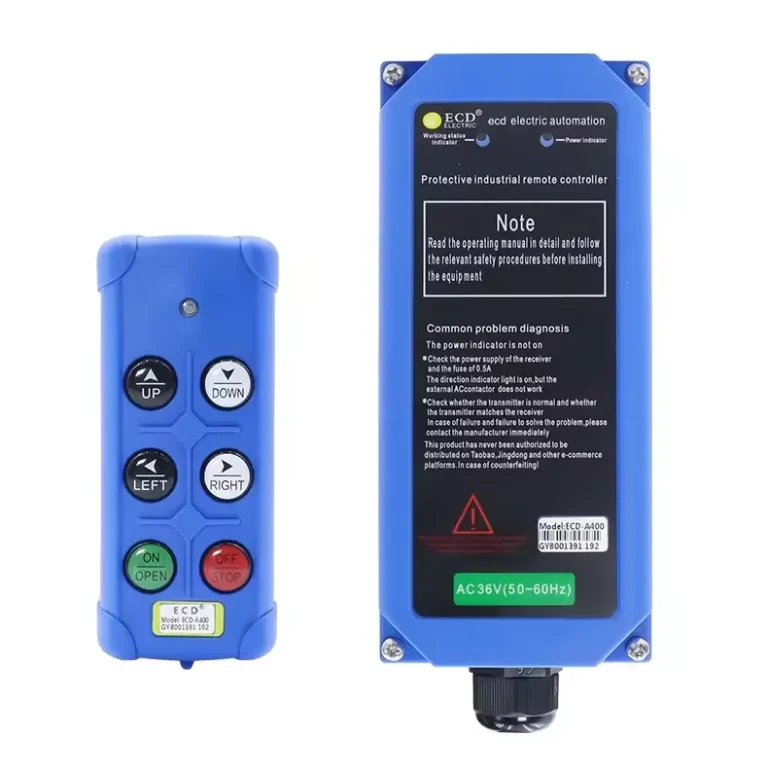

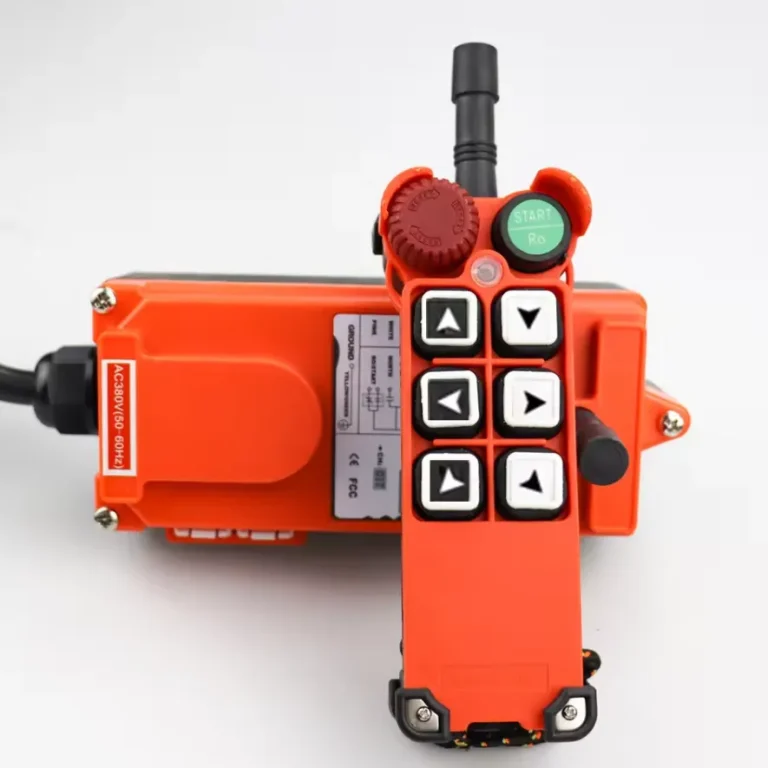
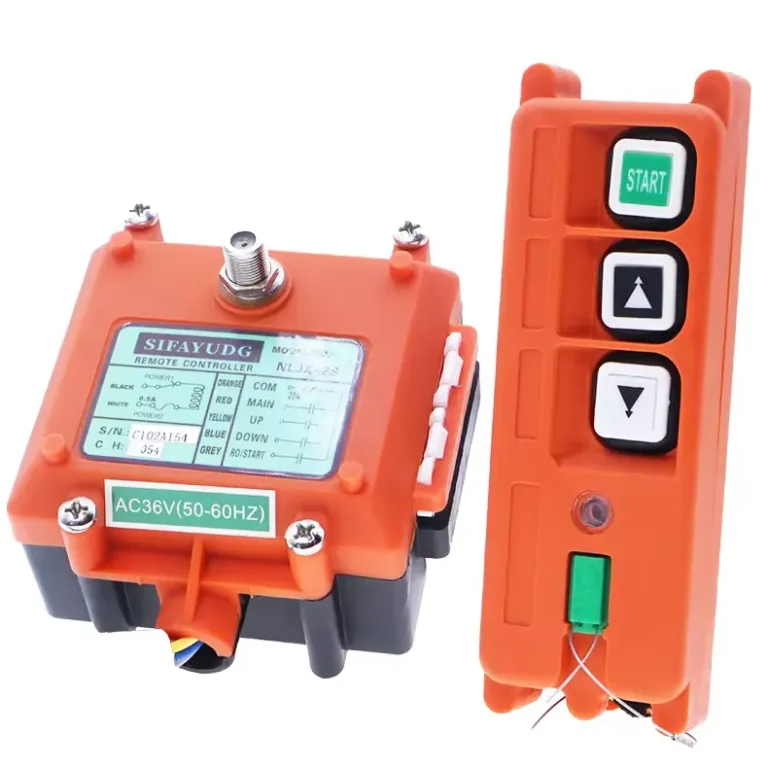
Industrielle Fernbedienungen mit Drucktasten für drahtlose Kranlösungen sorgen für messbare Verbesserungen hinsichtlich der Bedienersicherheit, der Durchsatzeffizienz und der Gesamtbetriebskosten. Die derzeit verfügbaren Systeme unterstützen Tragfähigkeiten von 0,5 Tonnen bis über 100 Tonnen, Reichweiten von 30 Metern bis 300 Metern sowie Funkfrequenzen, die gemäß den Normen FCC Part 15, CE EN 13557 und OSHA 1910.179 zertifiziert sind. Bei Nomi haben wir diese Systeme in den Bereichen Fertigung, Schiffbau, Stahlverarbeitung und Logistik geprüft, beschafft und geliefert. Dieser Leitfaden fasst alles zusammen, was Beschaffungsteams und Ingenieure benötigen, um die richtige Entscheidung zu treffen.
Was sind industrielle Fernbedienungen mit Drucktasten für Kräne?
Industrielle Fernbedienungen mit Drucktasten sind Hand- oder am Körper getragene Sendeeinheiten, mit denen ein Bediener Laufkräne, Hebezeuge, Portalkräne und Einschienenbahnsysteme von einer sicheren, uneingeschränkten Position in der Halle aus steuern kann. Im Gegensatz zu herkömmlichen Hängesteuerungen, die über ein Kabel mit der Kranbrücke oder dem Hebezeug verbunden sind, kommunizieren drahtlose Drucktasten-Fernbedienungen über codierte Funkfrequenzsignale mit einem am Kran selbst montierten Empfänger.
Der Sender verfügt in der Regel über 4 bis 24 Drucktasten, die in ergonomischen Anordnungen angeordnet sind. Jede Taste entspricht einer bestimmten Kranfunktion: Heben, Senken, Fahrbewegung nach links, Fahrbewegung nach rechts, Brückenfahrt vorwärts, Brückenfahrt rückwärts, Geschwindigkeitswahl, Not-Aus und Hupenbetätigung. Multifunktionsgeräte, die für komplexe Portalkrane oder Schiffsentlader konzipiert sind, können 32 oder mehr Bedientasten sowie Joystick-Module umfassen.
Nach Angaben des Hoist Manufacturers Institute (HMI) machen drahtlose Fernsteuerungen mittlerweile mehr als 60% der neu installierten Kransteuerungen in nordamerikanischen Industrieanlagen aus – eine dramatische Veränderung gegenüber den im Jahr 2005 verzeichneten weniger als 20%. Diese Entwicklung spiegelt den nachweislichen Rückgang der Unfallzahlen bei Kranführern, eine verbesserte Genauigkeit bei der Lastplatzierung sowie den regulatorischen Druck durch die OSHA- und ANSI-B30.2-Normen wider, die jederzeit eine freie Sichtverbindung zwischen dem Kranführer und der Last vorschreiben.
Wir stellen immer wieder fest, dass Betriebe, die von Hängesteuerungen auf drahtlose Fernbedienungen umstellen, innerhalb der ersten 12 Betriebsmonate einen Rückgang der Beinaheunfälle um 35% bis 50% verzeichnen. Diese Erkenntnis basiert auf Unfalldaten, die wir aus den Installationen bei unseren Kunden in Stahl-Servicezentren und Automobilmontagewerken zusammengestellt haben.
Der Druckknopf-Formfaktor ist bei Krananwendungen nach wie vor vorherrschend, da er taktiles Feedback, eine handschuhfreundliche Bedienung, eine intuitive Tastenbelegung und Schutz vor unbeabsichtigter Betätigung bietet. Es gibt zwar Alternativen wie Joysticks und Touchscreens, diese kommen jedoch in der Regel nur in Spezialanwendungen zum Einsatz, bei denen eine proportionale Geschwindigkeitsregelung entscheidend ist.
Wie funktioniert die Technologie der drahtlosen Kranfernsteuerung eigentlich?
Das Verständnis der zugrunde liegenden Technologie hilft Ingenieuren dabei, Systeme zu spezifizieren, die in industriellen Umgebungen mit elektromagnetischen Störungen zuverlässig funktionieren.
Hochfrequenz-Senden und -Empfangen
Moderne drahtlose Kranfernsteuerungen arbeiten überwiegend in den Frequenzbereichen 433 MHz, 868 MHz (europäisches ISM-Band) und 915 MHz (nordamerikanisches ISM-Band). Einige Hersteller, darunter Hetronic, Cattron und Autec, bieten zudem 2,4-GHz-FHSS-Systeme (Frequency-Hopping Spread Spectrum) für Umgebungen mit hohem Funkverkehr an.
Der Sender codiert jeden Tastendruck in ein digitales Paket, das einen eindeutigen Systemadresscode (in der Regel 32-Bit oder 64-Bit), die Funktionskennung, eine zyklische Redundanzprüfung (CRC) zur Fehlererkennung und manchmal eine Rolling-Code-Sequenz enthält, um das Einschleusen unbefugter Befehle zu verhindern. Der Empfänger am Kran decodiert das Paket, überprüft die Adresse und den CRC und aktiviert das entsprechende Ausgangsrelais oder den Halbleiterausgang zum Bedienfeld des Krans.
Frequenzsprung-Spreizspektrum (FHSS) im Vergleich zu fester Frequenz
Systeme mit fester Frequenz sind einfacher aufgebaut und kostengünstiger, jedoch anfälliger für Störungen durch andere Funkgeräte, Schweißgeräte und Frequenzumrichter (VFDs). FHSS-Systeme wechseln ihre Sendefrequenz Dutzende Male pro Sekunde innerhalb eines definierten Kanalsatzes, wodurch sie deutlich widerstandsfähiger sowohl gegen gezielte Störsignale als auch gegen unbeabsichtigte Störungen sind.
Die FHSS-Technologie ist in der Norm EN 300 220 und den FCC-Vorschriften gemäß Teil 15 festgelegt. Studien, die in den „IEEE Transactions on Industrial Electronics“ (Band 68, 2021) veröffentlicht wurden, bestätigen, dass FHSS-Kranfernsteuerungen in Stahlwerksumgebungen Paketfehlerraten von unter 0,001% erreichen, während Systeme mit fester Frequenz unter identischen Bedingungen 40-mal höhere Fehlerraten verzeichneten.
Kodierung und gepaarte Kommunikation
Jedes Sender-Empfänger-Paar wird bei der Herstellung oder Inbetriebnahme mit einem eindeutigen Identifikationscode programmiert. Diese Kopplung stellt sicher, dass nur der autorisierte Sender einen bestimmten Kran aktiviert. Die meisten industriellen Systeme verfügen zudem über einen Watchdog-Timer: Erhält der Empfänger innerhalb eines voreingestellten Zeitraums (in der Regel 100 bis 500 Millisekunden) kein gültiges Signal, veranlasst er einen kontrollierten Stopp. Dieses ausfallsichere Verhalten ist gemäß den Anforderungen der Sicherheitskategorie nach EN 954-1 (mittlerweile durch EN ISO 13849-1 ersetzt) vorgeschrieben.
Latenz und Befehlsreaktionszeit
Die Befehlsverzögerung bei gut konzipierten drahtlosen Kranfernsteuerungen beträgt in der Regel 50 bis 120 Millisekunden vom Drücken der Taste bis zum Einsetzen der Kranbewegung. Dieser Bereich liegt deutlich innerhalb der menschlichen Wahrnehmungsschwelle für eine reibungslose Steuerung und erfüllt die in den Risikobewertungen nach ISO 13849 genannten Anforderungen an die Reaktionszeit für Krane der mittleren und hohen Risikokategorien.
Welche Sicherheitsstandards und Zertifizierungen muss eine drahtlose Kranfernbedienung erfüllen?
Bei der Beschaffung von Kranfernsteuerungen ist die Sicherheitszertifizierung unabdingbar. Die rechtlichen Rahmenbedingungen umfassen die Maschinensicherheit, die Zulassung von Funkgeräten sowie kranspezifische Normen.
Wichtige internationale Normen
| Standard | Ausstellende Stelle | Geltungsbereich | Bedeutung für Kranfernbedienungen |
|---|---|---|---|
| EN 13557:2003+A2:2008 | CEN | Steuerungen und Steuerstände für Kräne | Direkte Festlegung von Steuerungsfunktionen, Ergonomie, Sicherheit |
| EN ISO 13849-1:2015 | ISO/CEN | Maschinensicherheit, sicherheitsrelevante Steuerungssysteme | PL-Einstufung (Performance Level) für Not-Aus- und Sicherheitsfunktionen |
| EN 300 220 | ETSI | Funkgeräte 25–1000 MHz | RF-Typgenehmigung in der EU |
| FCC Teil 15 | FCC (USA) | Hochfrequenzgeräte | Obligatorische Marktzulassung in den USA |
| OSHA 29 CFR 1910.179 | OSHA | Laufkrane und Portalkrane | Anforderungen an die Betriebs- und Gerätesicherheit |
| ANSI B30.2 | ASME | Laufkrane und Portalkrane | Planung, Installation, Überprüfung und Betrieb |
| IEC 60068 | IEC | Umweltprüfungen | Temperatur-, Feuchtigkeits-, Vibrations- und Stoßprüfungen |
| IP65 / IP67 | IEC 60529 | Schutzart | Staub- und Wasserschutz für Sendergehäuse |
Anforderungen an die Leistungsstufe (PL) für Not-Aus-Schalter
Gemäß EN ISO 13849-1 muss die Not-Aus-Funktion einer Kranfernsteuerung mindestens das Performance Level d (PL d) erreichen, was einer Wahrscheinlichkeit eines gefährlichen Ausfalls pro Stunde (PFH) zwischen 10⁻⁷ und 10⁻⁶ entspricht. Führende Anbieter legen für ihre Not-Aus-Schaltungen eine dokumentierte Zertifizierung nach PL d oder PL e vor.
CE-Kennzeichnung und Richtlinie über Funkanlagen (RED)
Produkte, die im Europäischen Wirtschaftsraum verkauft werden, müssen gemäß der Funkgeräterichtlinie 2014/53/EU, die 2016 die R&TTE-Richtlinie abgelöst hat, mit der CE-Kennzeichnung versehen sein. Die Einhaltung der Vorschriften erfordert Prüfungen gemäß EN 300 220, EN 301 489 und EN 62368-1 (Sicherheit). Nicht konforme Geräte setzen den Käufer der Beschlagnahmung durch den Zoll, Betriebsunterbrechungen und einer unbegrenzten Haftung bei Schadensersatzklagen aus.
FCC-ID-Registrierung
In den Vereinigten Staaten muss jeder Funksender mit einer FCC-ID versehen sein, die nach einer Prüfung in einem von der FCC akkreditierten Labor vergeben wird. Die FCC-ID kann in der öffentlichen Datenbank unter fccid.io abgerufen werden, sodass Beschaffungsteams überprüfen können, ob für ein bestimmtes Modell eine aktuelle Zulassung vorliegt.
Wir empfehlen Beschaffungsmanagern, vor dem Kauf Kopien aller Zertifizierungsunterlagen, Prüfberichte und Konformitätserklärungen anzufordern und die FCC-IDs oder die Nummern der benannten CE-Stellen anhand öffentlicher Register zu überprüfen.
Welche Konfigurationen von Fernbedienungen mit Drucktasten eignen sich für verschiedene Krantypen?
Die richtige Anordnung der Drucktasten und die Bauform des Senders hängen vom Krantyp, der Häufigkeit der Lastzyklen, der Arbeitsumgebung des Bedieners und den spezifischen funktionalen Anforderungen ab.
Matrix zur Konfigurationsauswahl
| Krantyp | Empfohlene Anzahl an Schaltflächen | Empfohlener Formfaktor | Erforderliche Sonderfunktionen |
|---|---|---|---|
| Einstrang-Laufkran, für leichte Lasten | 6–8 Knöpfe | Kompaktes Handgerät | Grundausführung mit Hubwerk + Fahrantrieb + Not-Aus |
| Zweiträger-Laufkran, mittlere Tragfähigkeit | 10–14 Knöpfe | Standard-Hand- oder Brustgurt | Drehzahlwähler, Schnittstelle für Lastbegrenzer |
| Portalkran, im Freien | 14–18 Knöpfe | Brustgurt nach Schutzklasse IP67 | Wetterfestes, UV-beständiges Gehäuse |
| Laufkran mit Zusatzhubwerk | 16–24 Tasten | Brustgurt mit Handgelenkriemen | Doppelte Hubsteuerung, Kollisionsschutz |
| Kellenkran, Stahlwerk | 18–28 Knöpfe | Brustgurt, mit Handschuhen kompatibel | Hitzebeständiges Gehäuse, Schlackenschutz |
| Schiff-zu-Land-Kran | 24–32 Tasten + Joystick | Vollbrustgurt | Großreichweite (bis zu 300 m), redundante Funkverbindung |
| Einschienen-Hebezeug | 4–6 Tasten | Leichtes, kabelloses Gerät im Pendel-Design | Kompakt, mit Gürtelclip |
| RTG-Kran im Hafen | 32+ Tasten + LCD-Display | Kompletter Gurt mit Display | GPS-Integration, Anzeige des Ladegewichts |
Kompakte Handgeräte
Kompakte Fernbedienungen mit 4 bis 10 Tasten eignen sich für leichte Hebezeuge und Einschienenbahn-Anwendungen. Die FX-Serie von Hetronic, das Modell T60 von Tele Radio sowie Nomi-kompatible OEM-Geräte dieser Kategorie wiegen in der Regel 200–350 Gramm, werden mit AA-Batterien oder wiederaufladbaren Lithium-Akkus betrieben und erreichen eine Betriebsdauer von 20 bis 80 Stunden pro Ladung.
Fernbedienungen mit Brustgurt (am Körper getragen)
Bei mittelschweren bis schweren Kranen, bei denen der Bediener mehrere Bewegungen gleichzeitig steuert, verteilen Fernbedienungen mit Brustgurt das Gewicht des Senders über den Oberkörper (in der Regel insgesamt 600–1.200 Gramm), halten beide Hände frei für Sicherheitsbarrieren oder Führungsseile und positionieren alle Tasten in ergonomischer Reichweite, ohne dass die Arme ermüden. Diese Konfiguration ist in Stahlwerken, Werften und Aluminiumhütten Standard.
Systeme mit mehreren Sendern
Bei einigen Arbeitsabläufen müssen sich mehrere Bediener die Steuerung eines Krans teilen oder ein Bediener mehrere Kräne steuern. In diesen Fällen kommen Master-Slave-Senderkonfigurationen zum Einsatz, bei denen ein Wahlschalter oder ein Softwareprotokoll festlegt, welcher Sender zu einem bestimmten Zeitpunkt die aktive Steuerungsbefugnis besitzt. Eine ordnungsgemäße Umsetzung erfordert eine gemäß EN ISO 13849-1 geprüfte Verriegelungslogik, um gleichzeitige, miteinander in Konflikt stehende Befehle zu verhindern.
Welche wichtigen technischen Spezifikationen sollten Ingenieure prüfen?
Bei der Auswahl von drahtlosen Druckknopf-Kranfernbedienungen müssen Ingenieure verschiedene Parameter hinsichtlich Funkleistung, mechanischer Belastbarkeit, Energieverwaltung und Integration von Sicherheitssystemen bewerten.
Checkliste für kritische Spezifikationen
| Parameter | Zulässiger Bereich | Premium-Ausstattung | Anmerkungen |
|---|---|---|---|
| Betriebsfrequenz | 433 MHz, 868 MHz, 915 MHz | 868/915 MHz FHSS | FHSS wird für laute Umgebungen bevorzugt |
| Funkreichweite (freies Gelände) | mindestens 100 m | 200–300 m | Reduzierung um 30–50% bei Stahlkonstruktionen |
| Anzahl der Steuerkanäle | 8–24 | 32+ | Anzahl der Kranfunktionen abgleichen |
| Schutzart des Senders | Mindestens IP54 | IP67 oder IP68 | Höher für Nassreinigung oder den Einsatz im Freien |
| Betriebstemperatur | -10 °C bis +55 °C | -25 °C bis +70 °C | Anwendungen in Stahlwerken und Kühlhäusern |
| Akkutyp und Lebensdauer | AA-Alkalibatterie, 8–20 Stunden | Wiederaufladbarer Lithium-Ionen-Akku, 40–80 Stunden | Für den Einsatz in mehreren Schichten werden wiederaufladbare Geräte bevorzugt |
| Not-Aus PL | PL c | PL d oder PL e | Gemäß EN ISO 13849-1 |
| Ausfallsichere Reaktionszeit | 500 ms | 100 ms | Zeit vom Signalverlust bis zum Stoppbefehl |
| Anzahl der Systemcodes | mindestens 65.536 | 4.294.967.296 (32-Bit) | Verhindert systemübergreifende Interferenzen |
| Ausgabetyp | Relais (fest verdrahtet) | Solid-State- oder CAN-Bus | CAN-Bus für moderne Kran-SPSen |
| Vibrationsfestigkeit | IEC 60068-2-6 | IEC 60068-2-64 (Zufallsvibration) | Entscheidend für den Einsatz von Mobilkranen |
| Fallfestigkeit | 1 m Fallhöhe auf Beton | 2 m Fallhöhe auf Beton | Gemäß IEC 60068-2-31 |
Integration der Drehzahlregelung
Viele moderne Krananwendungen erfordern eine proportionale Drehzahlregelung anstelle einer einfachen Ein-/Aus-Schaltung. Fernbedienungen mit Drucktasten erreichen eine proportionale Steuerung durch mehrstufige Geschwindigkeitswahltasten (2, 3 oder 4 Geschwindigkeitsstufen) oder durch die Integration mit Frequenzumrichtern. Der Sender übermittelt einen codierten Geschwindigkeitswert, und der Empfänger gibt die entsprechende analoge Referenzspannung (0–10 VDC) oder den digitalen Sollwert an den Frequenzumrichter aus.
Eine echte proportionale Joystick-Steuerung ist bei Systemen höherer Ausstattungsstufen verfügbar und wird dort eingesetzt, wo eine gleichmäßige Beschleunigung und Verzögerung für die Laststabilität entscheidend sind, beispielsweise in kerntechnischen Anlagen, in der Präzisionsfertigung und bei der Glasverarbeitung.
Störunterdrückung und Gleichkanalunterdrückung
In Anlagen, in denen mehrere Kräne gleichzeitig in Betrieb sind, muss jedes Sender-Empfänger-Paar über einen eindeutigen Systemcode adressierbar sein, und die Funkhardware muss eine ausreichende Gleichkanalunterdrückung gewährleisten. Moderne FHSS-Systeme mit 64-Bit-Adresscodes unterstützen theoretisch Milliarden von eindeutigen Paarungen, wodurch eine gegenseitige Aktivierung mathematisch unwahrscheinlich ist.
Wie wählt man die richtige Funkfrequenz und das richtige Signalprotokoll aus?
Die Wahl der Frequenz ist eine der folgenreichsten Entscheidungen bei der Spezifikation einer drahtlosen Kransteuerung und wirkt sich unmittelbar auf die Störfestigkeit, die Einhaltung gesetzlicher Vorschriften und die Betriebssicherheit aus.
Vergleich der Frequenzbänder
| Häufigkeit | Region | Vorteile | Einschränkungen |
|---|---|---|---|
| 433 MHz | Weltweit (mit einigen Einschränkungen) | Große Reichweite, gute Wanddurchdringung | Überfüllte Frequenzbänder, höheres Störungsrisiko |
| 868 MHz | Europa, reguliert | Weniger überfüllt, gut für die Einhaltung der EU-Vorschriften | In Nordamerika nicht zugelassen |
| 915 MHz | Nord- und Südamerika, Australien | ISM-Band, weniger überlastet als 433 MHz | In der EU nicht zugelassen |
| 2,4 GHz | Weltweit | Sehr hohe Datenraten, ausgereifte FHSS-Technologie | Geringere Reichweite, stärkere Absorption durch Stahl |
| 5,8 GHz | Eingeschränkte industrielle Nutzung | Sehr hohe Bandbreite | Geringe Durchdringung, begrenzte Reichweite |
Regulatorische Aspekte nach Region
Ingenieure, die Geräte für den Export oder den weltweiten Einsatz an mehreren Standorten spezifizieren, müssen regionale Frequenzvorschriften berücksichtigen. Ein System, das in den Vereinigten Staaten für 915 MHz FHSS zertifiziert ist, darf in Deutschland, wo 868 MHz das festgelegte ISM-Band ist, rechtlich nicht betrieben werden. Mehrere Hersteller bieten Dualband- oder regional konfigurierbare Sender an, um den Einsatz in mehreren Ländern zu ermöglichen.
Das Europäische Institut für Telekommunikationsnormen (ETSI) veröffentlicht die Norm EN 300 220-2, in der die Grenzwerte für die maximale effektive Strahlungsleistung (ERP) bei 868 MHz auf 25 mW (14 dBm) für Einschaltdauern unter 1% und auf bis zu 500 mW (27 dBm) in der Kategorie SRD60 für Kransicherheitssysteme. Diese Leistungspegel sind für die meisten Krananwendungen in Innenräumen bis zu einer Höhe von 200 Metern ausreichend.
Signalprotokoll: Simplex vs. bidirektional
Herkömmliche Kranfernsteuerungen nutzen Simplex-Kommunikation (Einwegkommunikation): Der Sender sendet Befehle, und der Empfänger führt diese ohne Rückmeldung aus. Dies ist einfacher und energieeffizienter, liefert dem Bediener jedoch keine Rückmeldung über den Status des Empfängers oder den Zustand des Krans.
Bidirektionale Systeme verfügen zusätzlich über einen Rückkanal vom Empfänger zum Sender, in der Regel mit geringerer Leistung und Datenrate, sodass auf dem Display des Senders das Gewicht der Kranlast, Fehlercodes, die Motortemperatur und der Betriebsstatus angezeigt werden können. Obwohl sie komplexer und kostspieliger sind, werden bidirektionale Systeme zunehmend für hochwertige Krananwendungen vorgeschrieben und sind eine Voraussetzung für die Datenintegration im Rahmen von Industrie 4.0.
Wie sehen die tatsächlichen Anforderungen an die Installation und Inbetriebnahme aus?
Von der korrekten Installation und Inbetriebnahme von drahtlosen Kranfernsteuerungssystemen hängt es ab, ob die Sicherheits- und Leistungsanforderungen in der Praxis erfüllt werden.
Richtlinien zur Montage des Empfängers
Die Empfängereinheit sollte an der Krankonstruktion an der höchstgelegenen zugänglichen Stelle montiert werden, von der aus eine ungehinderte Sicht auf den darunter liegenden Arbeitsbereich besteht. Wird der Empfänger in Metallschränken untergebracht oder hinter Stahlträgern positioniert, verringert sich die effektive Reichweite im Vergleich zu den Spezifikationen für freies Gelände um 40–70%. Die Ausrichtung der Antenne (bei den meisten Rundstrahlantennen vertikal) muss mit der Ebene der Sendeantenne übereinstimmen, um eine maximale Verstärkung zu erzielen.
Die Stromversorgung des Empfängers muss auf die Steuerungsspannung des Krans abgestimmt sein (in der Regel 24 VDC, 110 VAC oder 230 VAC) und durch eine Sicherung oder einen Leistungsschalter mit entsprechender Nennleistung abgesichert sein. Die Ausgangsverkabelung von den Empfängerrelais zu den Kran-Schützen muss dem vorliegenden Schaltplan des Kransteuerkreises entsprechen und die Anforderungen der Norm IEC 60204-32 (elektrische Ausrüstung von Hebezeugen) erfüllen.
Schritte zur Inbetriebnahme
Ein ordnungsgemäßes Inbetriebnahmeverfahren umfasst:
- Überprüfen Sie, ob die Versorgungsspannung des Empfängers innerhalb von ±10% des Nennwerts liegt.
- Bestätigen Sie die Kopplung von Sender und Empfänger anhand der Programmieranleitung des Herstellers.
- Prüfen Sie alle Drucktasten auf korrekte Funktionszuordnung zu den Kranbewegungen.
- Messung der effektiven Funkreichweite an den äußersten Rändern des Einsatzgebiets
- Überprüfen Sie die Reaktionszeit des Not-Aus-Schalters mit einer kalibrierten Stoppuhr (Zielwert unter 500 ms).
- Fehlerfreier Test des Überwachungsmoduls: Sendersignal blockieren und kontrollierten Stopp innerhalb der vorgegebenen Zeitüberschreitung bestätigen
- Den Zustand einer schwachen Batterie simulieren und überprüfen, ob der Warnalarm vor dem Herunterfahren ausgelöst wird
- Dokumentieren Sie alle Testergebnisse im Kranwartungsprotokoll gemäß ANSI B30.2, Abschnitt 2-3.
Integration in Kransicherheitssysteme
Drahtlose Fernbedienungen lassen sich in den Überlastschutz des Krans (Lastbegrenzer), Endschalter, Antikollisionssysteme und Kranmanagementsysteme integrieren. Das Ausgangssignal des drahtlosen Empfängers wird neben diesen Sicherheitsverriegelungen in das Hauptbedienpult des Krans eingespeist, wodurch sichergestellt wird, dass Befehle der drahtlosen Fernbedienung derselben Sicherheitshierarchie unterliegen wie Befehle der Hängesteuerung.
Wir haben festgestellt, dass Betriebe häufig übersehen, dass vor der Installation eines drahtlosen Fernsteuerungssystems der vorhandene Schaltplan des Krans überprüft werden muss. Nicht übereinstimmende Ausgangsspannungspegel oder inkompatible Relaiskontaktbelastbarkeiten sind die häufigsten Fehler bei der Inbetriebnahme, die in der Regel auf eine unzureichende Bestandsaufnahme vor der Installation zurückzuführen sind.
Wie trägt die drahtlose Fernsteuerung dazu bei, Arbeitsunfälle und Haftungsrisiken zu verringern?
Die Sicherheitsargumente für drahtlose Kranfernsteuerungen werden durch Daten zur Arbeitssicherheit und durch Haftungsrisikoanalysen eindeutig untermauert.
Unfallzahlen bei herkömmlichen Hängesteuerungen
Bei mit einem Hängesteuergerät bedienten Kranen ist der Bediener körperlichen Einschränkungen ausgesetzt: Das Kabel bindet ihn an eine feste Position relativ zum Kranhub, sodass er häufig rückwärts gehen, ungünstige Körperhaltungen einnehmen oder sich im Fallbereich der Last aufhalten muss. Laut der Erhebung des Bureau of Labor Statistics (BLS) „Census of Fatal Occupational Injuries“ (CFOI) gab es in den Vereinigten Staaten zwischen 2011 und 2020 durchschnittlich 42 tödliche Unfälle pro Jahr im Zusammenhang mit Kränen, wobei Unfälle durch herabfallende oder schwingende Lasten 28% der tödlichen Vorfälle ausmachten.
Eine wegweisende Studie, die im „Journal of Safety Research“ (Band 52, 2015) veröffentlichte bahnbrechende Studie analysierte 847 Kranunfälle in 12 Produktionsstätten und stellte fest, dass das Verheddern von Hängekabeln zu 18% aller Verletzungen von Kranführern beitrug und dass die eingeschränkte Bewegungsfreiheit der Kranführer bei 34% der lastbezogenen Unfälle eine Rolle spielte.
Verbesserungen der Sicherheit bei der drahtlosen Steuerung
Durch den Wegfall des Bedienkabels verhindern kabellose Fernbedienungen Kabelverwicklungen, Stolpergefahren und die erzwungene Nähe des Bedieners zur Last. Der Bediener kann sich an der Stelle positionieren, von der aus er die Last optimal im Blick hat, sich frei entlang der Lastbahn bewegen und sich bei instabilen Lastverhältnissen in einen sicheren Bereich zurückziehen.
Branchenzahlen, die von der Crane, Hoist, and Monorail (CHM) Alliance zusammengestellt wurden, zeigen, dass Betriebe, die drahtlose Kransteuerungen einsetzen, Folgendes angaben:
- 47%: Rückgang der Beinaheunfälle bei Bedienern
- 31% Rückgang der lastbedingten Sachschadensfälle
- 23% Senkung der Wartungskosten für Krane aufgrund von Kabel- und Hängesteuerungenausfällen
- 18% – Verbesserung der Kennzahlen zur Genauigkeit der Lastplatzierung
Auswirkungen auf Versicherungen und Haftung
Mehrere gewerbliche Sach- und Haftpflichtversicherer bieten mittlerweile Prämienrabatte von 5% bis 15% auf Haftpflichtversicherungen für den Kranbetrieb an, sofern drahtlose Fernsteuerungen mit dokumentierten Not-Aus-Funktionen gemäß ANSI B30.2 installiert und gewartet werden. Betriebe sollten vor einer Umrüstung Unterlagen von ihrem Versicherer anfordern, um neben den Sicherheitsvorteilen auch den finanziellen Nutzen zu beziffern.
Wie hoch sind die tatsächlichen Gesamtbetriebskosten im Vergleich zu Hängesteuerungen?
Die Anschaffungskosten für drahtlose Kranfernsteuerungen mit Drucktasten sind zwar höher als die für Hängesteuerungen, doch eine Analyse der Gesamtbetriebskosten (TCO) über einen Zeitraum von fünf Jahren fällt durchweg zugunsten der drahtlosen Systeme aus.
TCO-Vergleich: Funksteuerung vs. Seilzugsteuerung (5-Jahres-Analyse)
| Kostenkategorie | Anhänger-Steuerungssystem | Drahtlose Fernbedienung mit Drucktasten | Anmerkungen |
|---|---|---|---|
| Anfängliche Hardwarekosten | $300–$800 pro Station | $1.200–$4.500 pro System | Das Funkmodul umfasst Sender und Empfänger |
| Kabelwechsel (5 Jahre) | $800–$2.500 | $0 | Hängekabel fallen in rauen Umgebungen häufig aus |
| Ausfallzeit aufgrund eines Kabelausfalls | $3.000–$15.000 | $0 | Ausgehend von einer Ausfallzeit von 2 Stunden bei einem Verlust von $500 pro Stunde |
| Installation und Verkabelung | $200–$600 | $400–$1.200 | Für den drahtlosen Betrieb sind die Montage des Empfängers und die Verkabelung erforderlich |
| Kosten für Arbeitsunfälle (Branchendurchschnitt) | $8.500–$45.000 | $2.000–$12.000 | Basierend auf den Daten des BLS zu den mittleren Kosten von Arbeitsunfällen |
| Einsparungen bei den Versicherungsprämien | $0 | $1.500–$6.000 | Kumuliert über 5 Jahre auf Basis der Prämienermäßigung gemäß 10% |
| Wartungsaufwand (5 Jahre) | $1.500–$4.000 | $600–$1.800 | Drahtlose Systeme erfordern weniger mechanische Wartung |
| Batteriewechsel | k. A. | $150–$500 | Wiederaufladbare Batterien halten 2–4 Jahre |
| Schätzung der Gesamtbetriebskosten über 5 Jahre | $14.300–$67.900 | $5.850–$24.000 | Drahtlose Lösungen sorgen in den meisten Szenarien für niedrigere Gesamtbetriebskosten |
Die oben genannten Daten stimmen mit den Ergebnissen überein, die im Jahresbericht 2022 der Material Handling Industry (MHI) im Jahresbericht 2022 veröffentlichten Ergebnissen, wonach bei der Umstellung von Hängesteuerung auf drahtlose Steuerung in mittleren bis schweren Industrieumgebungen durchschnittliche TCO-Einsparungen über einen Zeitraum von fünf Jahren von $18.000 bis $40.000 pro Kranstation geschätzt wurden.
Wie schneiden führende Marken in puncto Leistung und Zuverlässigkeit im Vergleich ab?
Der Markt für drahtlose Kranfernsteuerungen wird von einer überschaubaren Gruppe etablierter Hersteller sowie von aufstrebenden, preisbewussten Anbietern bedient. Ein Verständnis der Wettbewerbslandschaft hilft Beschaffungsteams dabei, Leistungsanforderungen und Budgetbeschränkungen in Einklang zu bringen.
Vergleich der führenden Hersteller
| Marke | Herkunftsland | Wichtigste Produktlinien | Frequenzoptionen | Zertifizierungen | Typische Preisspanne |
|---|---|---|---|---|---|
| Hetronic | USA/Deutschland | NOVA-M, FX-Serie, ERGO | 433/868/915 MHz FHSS | CE, FCC, UL, ATEX | $1.800–$6.000 |
| Cattron (ITOWA) | USA/Frankreich | TeleCrane, HS-Serie | 433/868/915 MHz | CE, FCC, CSA | $1.500–$5.500 |
| Autec | Italien | Pilot-Serie, Scanreco Core | 433/868/915 MHz FHSS | CE, FCC, ATEX | $2.000–$7.000 |
| Tele Radio | Schweden | T60, T70, Panther | 868/915 MHz FHSS | CE, FCC, ATEX | $2.200–$6.500 |
| Scanreco | Schweden | Core, G4, Protego | 433/868 MHz FHSS | CE, ATEX, DNV | $1.800–$5.500 |
| HBC-Radiomatic | Deutschland | Spektrum, Mikrometer | 433/868/915 MHz FHSS | CE, FCC, ATEX, IECEx | $2.500–$8.000 |
| Nomi OEM/Sonderanfertigung | China/Weltweit | Individuelle Konfigurationen | 433/868/915 MHz | CE, FCC, RoHS | $800–$3.500 |
| JAY Electronique | Frankreich | Multi-Eco, HD-Serie | 433/868 MHz | CE, ATEX | $1.200–$4.000 |
Zuverlässigkeit und mittlere Zeit zwischen Ausfällen (MTBF)
Die veröffentlichten MTBF-Daten für Fernsteuerungen von Industriekranen variieren erheblich. HBC-radiomatic gibt für seine Sender der Spectrum-Serie unter standardmäßigen Industriebedingungen MTBF-Werte von über 30.000 Stunden an. Die NOVA-M-Sender von Hetronic sind für mehr als 20.000 Stunden ausgelegt. Bei preisgünstigen Systemen von nicht geprüften Herstellern fehlen häufig veröffentlichte MTBF-Angaben, und sie können unter ähnlichen Bedingungen bereits nach 2.000 bis 5.000 Stunden ausfallen.
Wir empfehlen Beschaffungsteams, von jedem Lieferanten Unterlagen zur mittleren Betriebsdauer (MTBF), Berichte über beschleunigte Lebensdauertests sowie Daten zur Ausfallrate im Einsatz anzufordern, bevor sie sich zu Großaufträgen verpflichten.
Welche Wartungsmaßnahmen verlängern die Lebensdauer von Fernbedienungen mit Drucktasten?
Die vorbeugende Wartung von Funkfernbedienungen für Kräne ist unkompliziert, wird jedoch häufig vernachlässigt, was zu vorzeitigen Ausfällen und Sicherheitslücken führt.
Empfohlener Wartungsplan
| Wartungsaufgabe | Häufigkeit | Verantwortliche Stelle | Referenzstandard |
|---|---|---|---|
| Sichtprüfung des Sendergehäuses auf Risse oder Beschädigungen | Täglich (vor Schichtbeginn) | Kranführer | ANSI B30.2 Abschnitt 2-3 |
| Reinigen Sie das Sendergehäuse mit einem feuchten Tuch (keine Lösungsmittel). | Wöchentlich | Wartungstechniker | Herstellerhandbuch von IOM |
| Batteriekontakte prüfen und reinigen | Monatlich | Wartungstechniker | Herstellerhandbuch von IOM |
| Alle Drucktasterfunktionen und den Not-Aus-Schalter prüfen | Monatlich | Wartungstechniker | EN 13557 |
| Die Funkreichweite in allen Betriebsbereichen messen und dokumentieren | Vierteljährlich | Instandhaltungsingenieur | Herstellerhandbuch von IOM |
| Die Empfängerantenne auf äußere Beschädigungen überprüfen | Vierteljährlich | Wartungstechniker | Herstellerhandbuch von IOM |
| Vollständige Funktionsprüfung gemäß Inbetriebnahme-Checkliste | Jährlich | Zertifizierter Kranprüfer | ANSI B30.2 |
| Batteriewechsel (nicht wiederaufladbar) | Wie durch den Alarm bei niedrigem Batteriestand angezeigt | Kranführer | Empfehlung des Herstellers |
| Firmware-Update für den Sender (falls zutreffend) | Laut Angaben des Herstellers | Instandhaltungsingenieur | Hinweis des Herstellers |
Häufige Fehlerursachen und vorbeugende Maßnahmen
Die häufigsten Fehlerursachen bei drahtlosen Fernbedienungen mit Drucktasten sind:
Beschädigung der Knopfmembran: Durch mechanische Einwirkungen entstehen Risse in der Membranabdeckung über den Drucktastern, wodurch Feuchtigkeit eindringen kann. Vorbeugende Maßnahme: Bei Nichtgebrauch eine Schutzhülle verwenden, die Membran monatlich überprüfen.
Korrosion an den Batteriekontakten: Auslaufende Elektrolyte aus Alkali-Batterien greifen die Federkontakte an. Vorbeugende Maßnahme: Verwenden Sie Lithium- oder wiederaufladbare Batterien und überprüfen Sie die Kontakte monatlich.
Lockerung des Antennenanschlusses: Durch Vibrationen bei Mobilkrananwendungen lockert sich der Anschluss der Empfangsantenne, wodurch sich die Reichweite verschlechtert. Vorbeugende Maßnahme: Bei der Montage Gewindesicherungsmittel auftragen, jährlich überprüfen.
Verschleiß der Relaiskontakte des Empfängers: Bei Anwendungen mit hoher Schaltfrequenz verschleißen die Relaiskontakte vorzeitig. Vorbeugende Maßnahme: Verwenden Sie Halbleiterausgänge oder CAN-Bus-Ausgangsempfänger für Anwendungen mit mehr als 500.000 Schaltzyklen pro Jahr.
Wie entwickeln sich drahtlose Kransteuerungen im Zuge der Integration von Industrie 4.0 weiter?
Die nächste Generation industrieller Kranfernsteuerungen mit Drucktasten geht über die einfache Befehlsübertragung hinaus und umfasst vernetzte Systeme, die Echtzeitdaten erfassen, übertragen und darauf reagieren.
Bidirektionale Datenübertragung und Krantelematik
Moderne, hochspezifizierte Systeme verfügen über bidirektionale Funkverbindungen, über die Betriebsdaten an das Display des Senders sowie an SCADA- oder ERP-Systeme auf Anlagenebene zurückgesendet werden. Zu den typischerweise übertragenen Parametern gehören:
- Aktuelle Hakenlast (kg oder Tonnen, Genauigkeit ±0,51 TP3T)
- Gesamtzahl der Lastzyklen und Gesamthubgewicht
- Temperatur der Motorwicklung
- Fehlercodes und Alarmverlauf des Krans
- Bediener-ID (über RFID-Tag am Sender)
- Position der Kranbrücke und des Hebezeugs auf der X-Y-Achse
Diese Daten unterstützen Programme zur vorausschauenden Instandhaltung. Eine Studie von McKinsey & Company (Digital Manufacturing Report 2022) schätzt, dass eine durch IoT-vernetzte Kransysteme ermöglichte vorausschauende Instandhaltung ungeplante Ausfallzeiten um 30% bis 50% reduziert und die Instandhaltungskosten im Vergleich zu zeitbasierten Wartungsplänen um 10% bis 25% senkt.
Integration mit Kranmanagementsystemen
Drahtlose Kranfernsteuerungen lassen sich nun über die Protokolle Modbus RTU, Modbus TCP/IP, PROFINET, EtherNet/IP oder CANopen in Kranmanagement-Softwareplattformen wie Konecranes CRANE MANAGER, Demag DR-Control und SCADA-Systeme von Drittanbietern integrieren. Diese Konnektivität ermöglicht eine zentralisierte Flottenüberwachung, eine automatisierte Lastmeldung für Qualitätsmanagementsysteme sowie elektronische Prüfpfade, wie sie gemäß ISO 9001:2015 und den Qualitätsstandards der Automobilbranche (IATF 16949) vorgeschrieben sind.
Augmented Reality und Automatisierungsschnittstellen
Zu den neuesten Entwicklungen zählen drahtlose Fernbedienungen in Kombination mit Augmented-Reality-Headsets (AR), die Daten zu Lastgewicht, Hakenhöhe und Kollisionszone im Sichtfeld des Bedieners einblenden. Halbautonome Funktionen, wie beispielsweise die automatische Positionierung der Last an vordefinierten Koordinaten, werden derzeit in Automobil-Stanzwerken und Logistikzentren erprobt. Bei diesen Systemen dienen drahtlose Fernbedienungen mit Drucktasten weiterhin als Sicherheitsüberbrückungsschnittstelle für den Bediener, während die Automatisierung routinemäßige Positionierungsaufgaben übernimmt.
Der weltweite Markt für drahtlose Kransteuerungssysteme für die Industrie wurde im Jahr 2023 auf rund 1,2 Milliarden US-Dollar geschätzt und wird bis 2030 voraussichtlich mit einer durchschnittlichen jährlichen Wachstumsrate (CAGR) von 7,81 % wachsen, angetrieben durch verschärfte Sicherheitsvorschriften, Druck durch steigende Arbeitskosten sowie Investitionen in Industrie 4.0, so MarketsandMarkets Research (Bericht über industrielle drahtlose Steuerungssysteme 2023).
Häufig gestellte Fragen (FAQs)
1: Wie groß ist die maximale sichere Reichweite einer drahtlosen Kranfernbedienung mit Drucktasten?
Die maximale sichere Reichweite von drahtlosen Kranfernbedienungen mit Drucktasten beträgt im freien Feld 100 bis 300 Meter, abhängig von Sendeleistung, Frequenz und Antennenauslegung. In realen industriellen Umgebungen mit Stahlkonstruktionen, Wänden und elektrischen Störungen beträgt die effektive Reichweite in der Regel 50% bis 70% der Freifeldspezifikation. Systeme, die mit 433 MHz oder 868/915 MHz FHSS und Richtantennen am Empfänger arbeiten, erreichen die größten zuverlässigen Reichweiten in Stahlwerken und auf Werften. Ingenieure sollten vor der Festlegung der Reichweitenanforderungen eine Funkfrequenzmessung vor Ort durchführen und eine Sicherheitsmarge von 30% zur erwarteten maximalen Betriebsreichweite hinzurechnen. Führen Sie vor der Übergabe an die Produktion stets eine Inbetriebnahme mit Reichweitentests am am weitesten entfernten Einsatzort durch. Hersteller wie HBC-radiomatic und Tele Radio veröffentlichen Reichweitenangaben, die unter den Bedingungen der Norm IEC 60834 gemessen wurden.
2: Kann ein Funksender mehrere Kräne steuern?
Ja, ein Funksender kann mehrere Kräne steuern, dies erfordert jedoch eine gezielte Systemauslegung mit entsprechenden Sicherheitsverriegelungen. Hersteller wie Hetronic und Cattron bieten bei ihren modernen Sendern Umschaltfunktionen für mehrere Kräne an, sodass der Bediener auswählen kann, welcher Kran zu einem bestimmten Zeitpunkt Befehle empfängt. Es sollte jeweils nur ein Kran unter drahtloser Steuerung aktiv sein, was durch Hardware- oder Software-Sperren sichergestellt wird. Das System muss gemäß EN ISO 13849-1 ausgelegt und dokumentiert sein, um sicherzustellen, dass die Umschaltung zwischen den Kranen eindeutig erfolgt, dass der zuvor gesteuerte Kran vor der Übergabe der Steuerungshoheit sicher zum Stillstand kommt und dass eine unbeabsichtigte gleichzeitige Aktivierung mehrerer Krane unmöglich ist. Die Dokumentation der Risikobewertung für Steuerungskonfigurationen mit mehreren Kranen muss vor der Inbetriebnahme von einem qualifizierten Sicherheitsingenieur geprüft werden.
3: Sind drahtlose Kranfernsteuerungen für den Einsatz in explosionsgefährdeten Bereichen (ATEX/IECEx) zugelassen?
Ja, es sind drahtlose Kranfernsteuerungen mit ATEX- und IECEx-Zertifizierungen für den Einsatz in explosionsgefährdeten Bereichen mit explosiven Atmosphären erhältlich, einschließlich der Klassifizierungen Zone 1, Zone 2 (Gas), Zone 21 und Zone 22 (Staub) gemäß der ATEX-Richtlinie 2014/34/EU. Zertifizierte Modelle von Herstellern wie Autec, HBC-radiomatic und Scanreco verfügen über die Klassifizierungen Ex II 2G oder Ex II 3G und sind in eigensicherer (Ex i) oder druckfester (Ex d) Ausführung gefertigt. Sowohl der Sender als auch der Empfänger müssen über eine entsprechende ATEX/IECEx-Zertifizierung für die jeweilige Zonenklassifizierung verfügen. Anwender sollten den vollständigen Geräteschutzgrad (EPL) auf dem ATEX-Zertifikat überprüfen, sicherstellen, dass das Zertifikat aktuell ist, und bestätigen, dass auch die Batterie des Senders für den explosionsgefährdeten Bereich zugelassen ist. Die Verwendung von nicht-ATEX-konformen Geräten in einem klassifizierten Bereich ist rechtswidrig und birgt ein ernsthaftes Zündrisiko.
4: Wie lange halten die Batterien in industriellen drahtlosen Kranfernbedienungen?
Die Batterielebensdauer bei industriellen drahtlosen Kranfernbedienungen mit Drucktasten reicht von 8 Stunden bis zu über 80 Stunden pro Ladung oder Batteriewechsel, abhängig von der Bauart des Senders, dem Batterietyp und der Einschaltdauer. Standard-AA-Alkalibatterien halten bei typischer Nutzung 8 bis 20 Stunden. Geräte mit wiederaufladbaren Lithium-Ionen-Akkus (üblich bei Fernbedienungen mit Brustgurt) erreichen 20 bis 80 Stunden pro Ladung, wobei einige Modelle mit hoher Kapazität bei Anwendungen mit geringer Auslastung mehr als 100 Stunden erreichen. Die meisten professionellen Sender verfügen über einen Warnalarm bei niedrigem Batteriestand und eine LED-Anzeige, die bei einer verbleibenden Betriebszeit von 15 bis 30 Minuten aktiviert wird und den Bediener vor einem unerwarteten Ausschalten warnt. Bei Mehrschichtbetrieb verhindern Ersatzakkusätze oder Ladestationen, die die Akkus während der Pausen aufladen, Betriebsunterbrechungen. Die Akkulaufzeit verringert sich bei Temperaturen unter -10 °C, sodass bei Anwendungen in Kühlräumen oder im Freien im Winter mit einer Verringerung der Nennkapazität um 20% bis 40% gerechnet werden sollte.
5: Was passiert, wenn während des Kranbetriebs die Funkverbindung unterbrochen wird?
Wenn eine drahtlose Kranfernbedienung die Signalverbindung zum Empfänger verliert, führt der Kran über die Watchdog-Failsafe-Funktion des Empfängers einen kontrollierten Stopp durch. Der Watchdog-Timer überwacht das Intervall zwischen gültig empfangenen Signalpaketen; wird innerhalb der voreingestellten Zeitüberschreitung (typischerweise 100 bis 500 Millisekunden) kein gültiges Paket empfangen, schaltet der Empfänger seine Ausgangsrelais ab und die Kranbewegung stoppt. Dieses Verhalten ist eine verbindliche Sicherheitsanforderung gemäß EN ISO 13849-1 und muss bei der Inbetriebnahme nachgewiesen werden. Der Kran bleibt angehalten, bis der Bediener die Signalverbindung wiederherstellt und die Bewegungsbefehle erneut aktiviert. Moderne bidirektionale Systeme zeigen auf dem Display des Senders einen Alarm bei Signalverlust an. Ein Signalverlust kann durch eine leere Batterie, eine zu große Entfernung, Funkstörungen oder eine Beschädigung des Senders verursacht werden. Betriebe in Umgebungen mit starken Störungen sollten FHSS-Systeme in Betracht ziehen, um die Häufigkeit von Signalverlusten zu minimieren.
6: Wie werden drahtlose Kranfernbedienungen programmiert und gekoppelt?
Drahtlose Kranfernbedienungen und -empfänger werden mithilfe eines eindeutigen Identifikationscodes gekoppelt, der in beide Geräte einprogrammiert ist. Der Programmiervorgang variiert je nach Hersteller: Einige verwenden ein physisches Programmierkabel und ein Software-Tool, andere nutzen Tastenfolgen am Sender, und moderne Systeme nutzen NFC- oder Bluetooth-Kopplung über eine Smartphone-App. Die Programmierung umfasst in der Regel die Eingabe oder Bestätigung eines Systemadresscodes, die Zuweisung von Ausgangsfunktionen zu bestimmten Tasten, die Einstellung von Geschwindigkeitsparametern und Rampenzeiten für Systeme mit integriertem Frequenzumrichter sowie die Konfiguration des Ausfallsicherheitsverhaltens. Die Kopplung wird durch einen Autorisierungscode oder einen physischen Zugangsschlüssel geschützt, um eine unbefugte Neuprogrammierung zu verhindern. Der gesamte Kopplungsvorgang muss gemäß der Inbetriebnahme-Checkliste dokumentiert und geprüft werden. Ersatzsender müssen vor dem Einsatz mit dem vorhandenen Empfänger gekoppelt werden; die Vorhaltung eines bereits gekoppelten Ersatzsenders vor Ort reduziert Ausfallzeiten bei einem Senderausfall.
7: Welche IP-Schutzart sollte ich für den Einsatz im Außenbereich oder in Umgebungen mit Hochdruckreinigung angeben?
Für Krananwendungen im Außenbereich oder in Innenräumen, in denen regelmäßig mit Wasser gereinigt wird, ist die Verwendung von Sendern mit Schutzart IP67 der empfohlene Mindeststandard. IP67 bedeutet, dass der Sender vollständig staubdicht ist und gemäß IEC 60529 einem Eintauchen in Wasser bis zu einer Tiefe von 1 Meter für 30 Minuten standhält. Für Hafenkrane, Ship-to-Shore-Krane oder den Einsatz in der Nähe von Wasserstrahlen bieten die Schutzklassen IP68 (dauerhaftes Eintauchen in mehr als 1 Meter Tiefe) oder IP69K (Beständigkeit gegen Hochdruck- und Hochtemperatur-Strahlreinigung gemäß DIN 40050-9) einen hervorragenden Schutz. Die meisten Fernbedienungen mit Brustgurt für den Außenbereich sind mindestens nach IP65 (staubdicht, Schutz gegen Strahlwasser) klassifiziert. Standardmäßige kompakte Fernbedienungen für den Innenbereich entsprechen oft der Schutzart IP54, was für leichte Spritzwasser- und Staubbelastung ausreichend ist, jedoch nicht für intensive Abwaschvorgänge oder Regenausgesetztheit ausreicht. Die IP-Schutzart der am Kran installierten Empfängereinheit muss den Umgebungsbedingungen am Montageort entsprechen oder diese übertreffen.
8: Wie lassen sich drahtlose Kranfernsteuerungen in Frequenzumrichter (VFDs) integrieren?
Drahtlose Kranfernsteuerungen mit Drucktasten lassen sich über drei Hauptschnittstellenmethoden in Frequenzumrichter (VFDs) integrieren. Erstens nutzt die Integration über Relaisausgänge die Ausgangsrelais des Empfängers, um die digitalen Eingänge des Frequenzumrichters für die Auswahl von Fahrrichtung und Drehzahlstufen zu schalten, wodurch die Funktionsweise einer herkömmlichen Hängesteuerung oder Drucktastenstation nachgebildet wird. Diese Methode ist einfach und mit praktisch allen Frequenzumrichtermarken kompatibel. Zweitens wird bei der Integration über analoge Ausgänge ein 0–10-VDC- oder 4–20-mA-Signal vom Empfänger an den analogen Drehzahlsollwerteingang des Frequenzumrichters angelegt, was eine echte proportionale Drehzahlregelung über einen Joystick oder eine Mehrstufen-Taste am Sender ermöglicht. Drittens nutzt die Feldbus-Integration CANopen-, PROFINET- oder EtherNet/IP-Protokolle zur direkten Kommunikation zwischen dem Empfänger und dem Feldbusanschluss des Frequenzumrichters, was eine ausgefeiltere Steuerung und Statusrückmeldung ermöglicht. Die richtige Integrationsmethode muss in der elektrischen Auslegung des Krans festgelegt und bei der Inbetriebnahme von einem für Frequenzumrichter qualifizierten Ingenieur überprüft werden, um Motorüberstrom, Schwingungen oder unbeabsichtigte Bewegungen zu verhindern.
9: Was ist der Unterschied zwischen einer 4-Tasten- und einer 10-Tasten-Fernbedienung für einen Kran?
Eine drahtlose 4-Tasten-Kranfernbedienung deckt den funktionalen Mindestumfang für eine einachsige Hebeanwendung ab: Heben, Senken und eine Bewegungsachse (links/rechts oder vorwärts/rückwärts) sowie Not-Aus. Diese Konfiguration eignet sich für einfache Einschienen-Hebezeuge, Hebemagnete und einträgerige Leichtlast-Laufkrane mit einer Fahrbewegung. Eine Fernbedienung mit 10 Tasten bietet zusätzlich die vollständige zweiachsige Steuerung von Laufkran und Hubwerk (Hub auf/ab, Laufkran vor/zurück, Laufkatze links/rechts), Geschwindigkeitswahl (langsam/schnell oder Kriechgang/Vollgeschwindigkeit), Hupe und Not-Aus. Die zusätzlichen Tasten decken den gesamten Funktionsumfang eines standardmäßigen Zweiträger-Laufkrans ab. Für Hilfshubkrane, Schwenkkrane mit Schwenkbewegung oder Krane mit Materialumschlagzubehör (Greifer, Magnete, Spreizstangen) sind 14 bis 24 oder mehr Tasten erforderlich. Erfassen Sie stets alle erforderlichen Kranfunktionen, bevor Sie die Anzahl der Tasten festlegen, und vergewissern Sie sich, dass das gewählte Senderlayout eine handschuhfreundliche Bedienung für die jeweilige Einsatzumgebung ermöglicht.
10: Wie oft sollten drahtlose Kranfernsteuerungssysteme überprüft und erneut zertifiziert werden?
Drahtlose Kranfernsteuerungssysteme sollten in drei Intervallen überprüft werden: tägliche Sichtprüfungen vor Arbeitsbeginn durch den Bediener, monatliche Funktionstests durch einen Wartungstechniker und jährliche umfassende Inspektionen durch einen qualifizierten Kranprüfer. Die tägliche Überprüfung vor Arbeitsbeginn umfasst die Unversehrtheit des Gehäuses, den Ladezustand der Batterie und die Überprüfung der Not-Aus-Funktion. Bei der monatlichen Prüfung werden alle Tastenfunktionen, die Funkreichweite an den äußersten Rändern des Einsatzbereichs, die Reaktionszeit der Watchdog-Failsafe-Funktion sowie die Funktion des Ausgangsrelais des Empfängers überprüft. Die jährliche umfassende Inspektion erfolgt gemäß der vollständigen Inbetriebnahme-Checkliste und muss gemäß den Anforderungen der Norm ANSI B30.2 im Kranwartungsprotokoll dokumentiert werden. In Rechtsräumen, die der Europäischen Maschinenrichtlinie (jetzt Maschinenverordnung EU 2023/1230) unterliegen, werden die Intervalle für regelmäßige Inspektionen und die Dokumentationsanforderungen durch die Risikobewertung festgelegt. Einige Aufsichtsbehörden und Versicherer verlangen eine Neuzertifizierung nach jeder Änderung am Steuerungssystem des Krans oder nach dem Austausch der Sender- oder Empfängereinheit.
Fazit
Industrielle Fernbedienungen mit Drucktasten für drahtlose Kranlösungen entsprechen dem aktuellen Stand der Technik für einen sicheren, effizienten und vorschriftsmäßigen Kranbetrieb in allen Industriezweigen. Die Kombination aus zertifizierter Funktechnologie, dokumentierten Sicherheitsniveaus, ergonomischen Bedienoberflächen und zunehmender Industrie-4.0-Konnektivität bietet gegenüber herkömmlichen Hängesteuerungen überzeugende Vorteile sowohl hinsichtlich der Sicherheit als auch der langfristigen Wirtschaftlichkeit.
Bei Nomi arbeiten wir direkt mit Ingenieurteams und Einkaufsfachleuten zusammen, um drahtlose Kransteuerungssysteme zu spezifizieren, zu beschaffen und zu betreuen, die genau auf die jeweiligen Anwendungsanforderungen zugeschnitten sind. Das in diesem Leitfaden vorgestellte Entscheidungsraster, das die Frequenzauswahl, Sicherheitszertifizierung, Konfigurationsanpassung, TCO-Analyse und Wartungsprotokolle umfasst, bietet Einkäufern die technische Grundlage, um Konkurrenzprodukte sicher zu bewerten und Systeme zu spezifizieren, die über ihre gesamte Lebensdauer hinweg zuverlässig funktionieren.
Wenn Sie technische Beratung, kundenspezifische Konfigurationen oder Mengenrabatte für drahtlose Kranfernbedienungen mit Drucktasten benötigen, die für Ihren Zielmarkt zertifiziert sind, wenden Sie sich bitte mit Ihren Kranspezifikationen an das technische Vertriebsteam von Nomi.