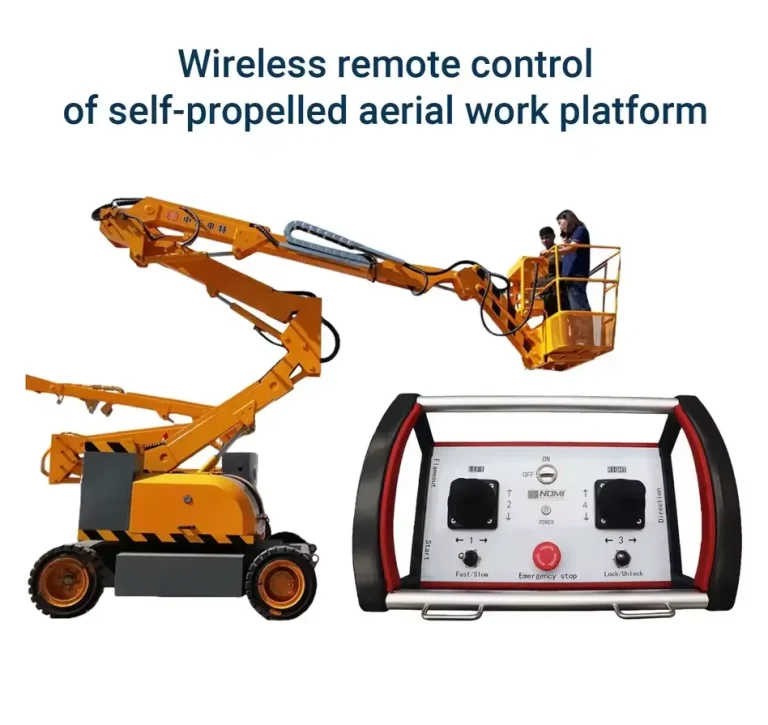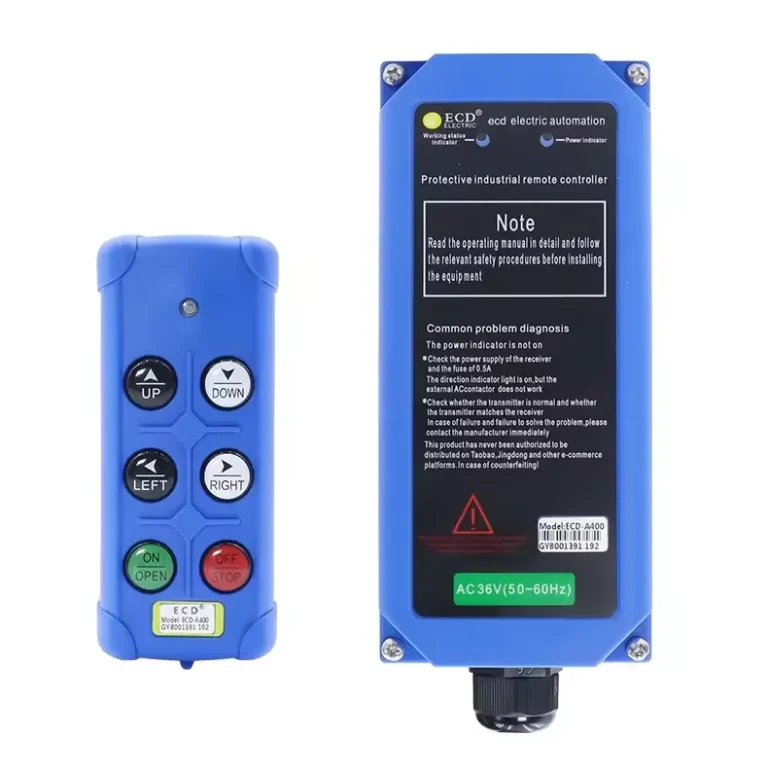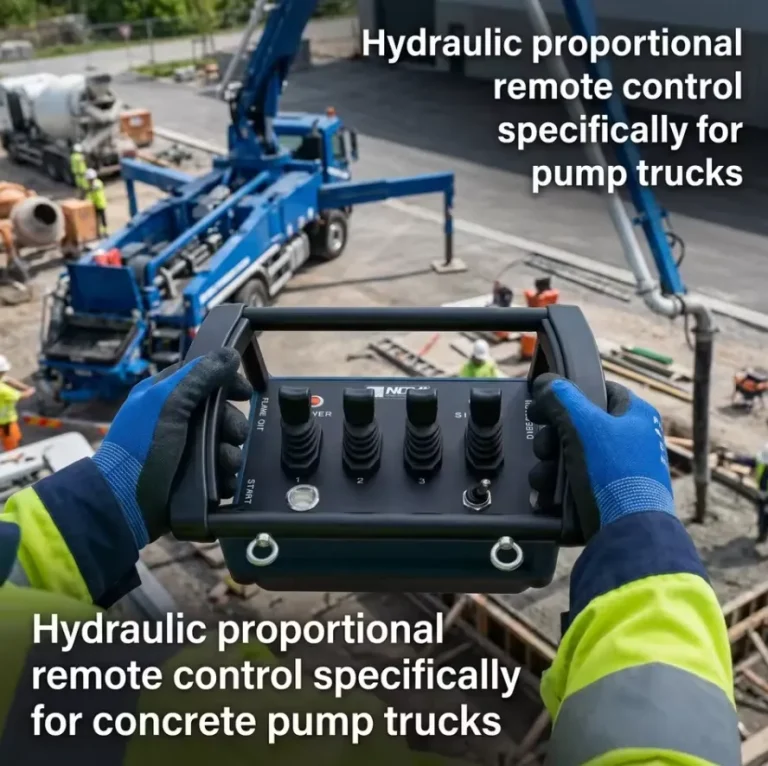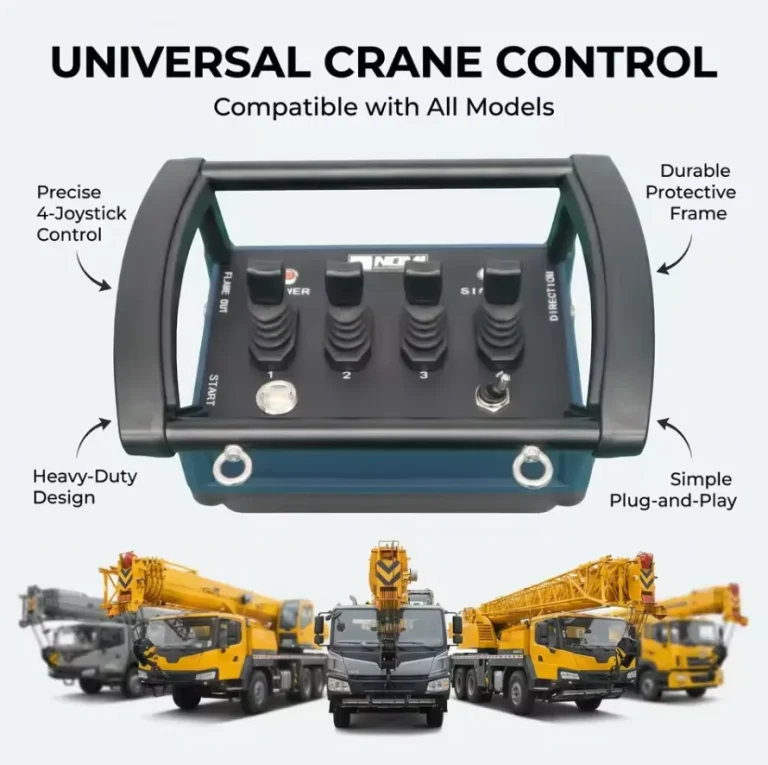

Electric truck crane hoists and winches with wireless remote control represent the most efficient, safe, and versatile lifting solutions available for commercial and industrial applications in 2026. These systems combine high-torque electric motors, precision-engineered gear trains, and advanced radio-frequency or Bluetooth remote control technology to deliver hands-free load management at distances exceeding 100 meters. Whether you are a fleet manager, a construction site supervisor, or a procurement specialist sourcing equipment for heavy-duty field operations, this reference covers every technical, operational, and purchasing dimension you need to make an informed decision.
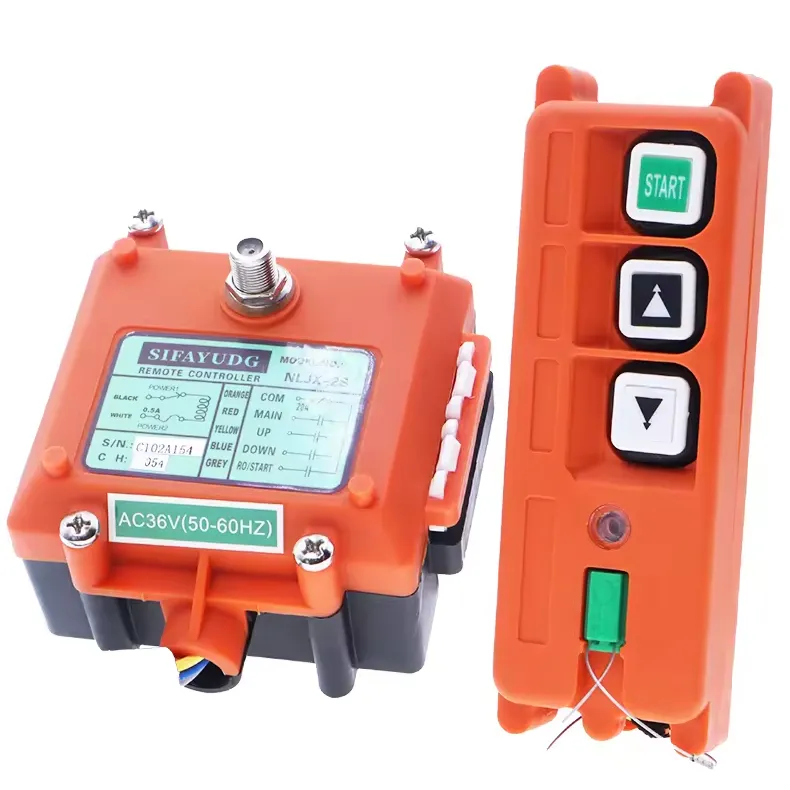
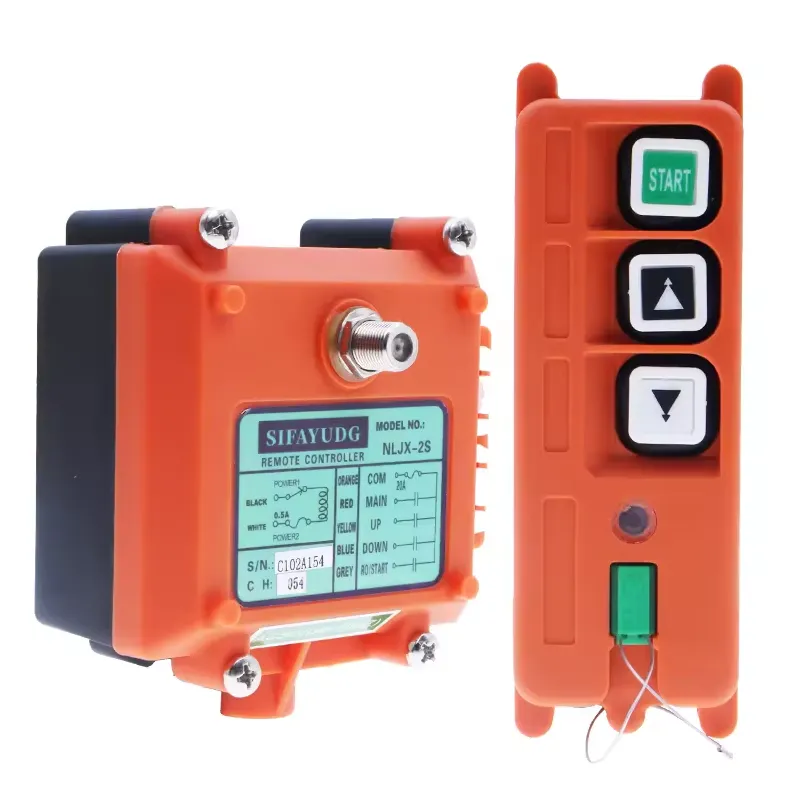
| use | Crane, Universal | code | Fixed Code, Copy Code Optional |
| function | Anti Shock, Waterproof, Automatic, Privacy, Single Service | material | Plastic And Silicone |
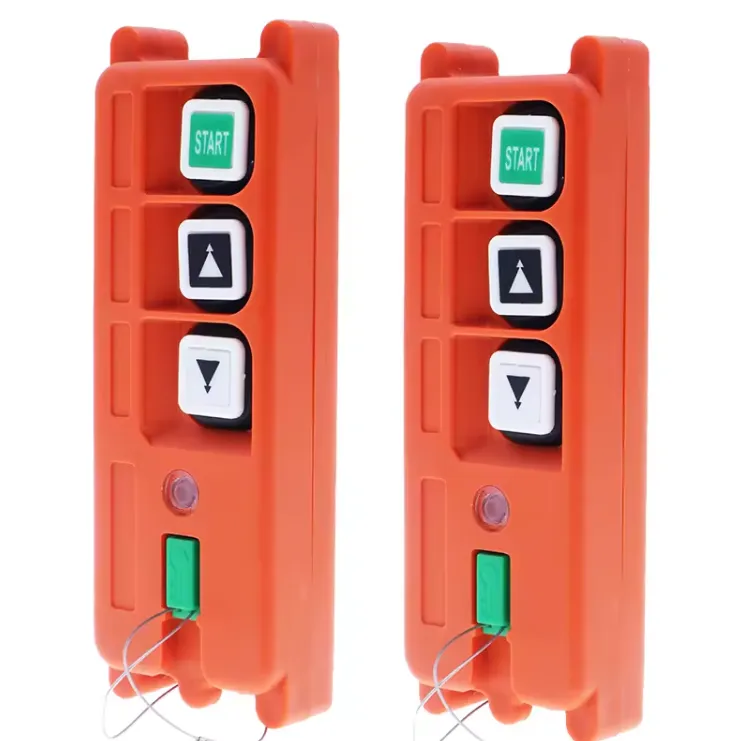
| private mold | Yes | button | 2 |
| place of origin | Henan, China | model number | F21-2S |
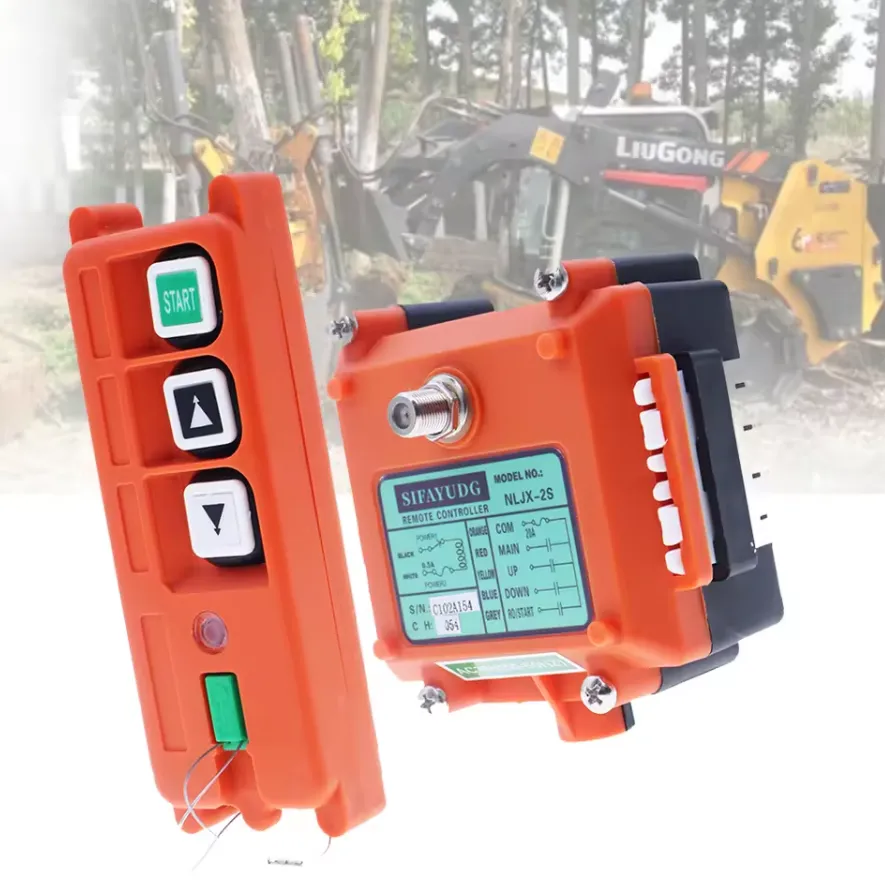
| brand name | NOMI | Product name | Forestry Machinery Remote Control Lawn Mower |
| Shell Material | PA66+high-quality fiber | Package | Carton |
| Quality | 100% Professional Test | Protection level | IP65 |
| Video outgoing-inspection | Support |
| Selling Units | Single item | Single package size | 23X20X10 cm |
| Single gross weight | 1.250 kg |
What Is an Electric Truck Crane Hoist and Winch with Wireless Remote Control?
An electric truck crane hoist and winch with wireless remote control is a motorized lifting and pulling device mounted directly on a pickup truck, flatbed, utility truck, or heavy commercial vehicle. It uses an electric motor powered by the vehicle’s 12V or 24V DC electrical system — or an independent power source — to wind and unwind a steel wire rope or synthetic rope around a drum, generating the mechanical force necessary to lift, lower, or drag loads.
The “wireless remote control” component transforms what used to be a two-person job into a single-operator task. Through a handheld transmitter operating on radio frequency (RF) bands — most commonly 433 MHz or 868 MHz — or Bluetooth 5.0 protocols, the operator sends commands to a receiver module integrated into the hoist controller. This eliminates the need for a second person to manage controls while the primary operator positions the load.
We have seen this category of equipment grow substantially over the past five years because of three converging factors: the expansion of utility and service truck fleets, stricter occupational safety requirements that reduce the need for workers in hazardous lift zones, and the falling cost of reliable wireless electronics. Today, a well-specified electric truck crane hoist with wireless remote control can handle between 1,000 lbs (approximately 454 kg) on compact utility trucks and up to 20,000 lbs (approximately 9,072 kg) on heavy commercial platforms.
How Does the Wireless Remote Control System Work on a Truck-Mounted Hoist?
Radio Frequency Transmission and Signal Architecture
The wireless remote control system on a modern electric truck hoist operates through a paired transmitter-receiver protocol. The handheld transmitter contains a microcontroller, an RF module, and a battery (typically two AA alkaline cells or a rechargeable lithium pack). When the operator presses a function button — such as “hoist up,” “hoist down,” “winch in,” or “winch out” — the transmitter encodes the command into a digital signal and broadcasts it via an antenna.
The receiver unit, mounted on the hoist or at the truck cab interface, decodes the signal and translates it into relay outputs that control the hoist motor’s contactor circuit. Most modern systems use frequency-hopping spread spectrum (FHSS) technology to prevent signal interference from other wireless devices on the job site. This is critical in construction environments where multiple pieces of remote-controlled equipment operate simultaneously.
Operating Range and Environmental Reliability
Standard wireless remote systems on entry-level hoists offer an effective operating range of 50 to 100 feet (15 to 30 meters) under open-field conditions. Industrial-grade systems extend this to 300 feet (approximately 90 meters) or more. It is worth noting that actual range can be reduced by physical obstructions, radio interference from power lines, or metal structures that attenuate RF signals.
The transmitter and receiver housings on quality units carry an IP (Ingress Protection) rating of at least IP65, meaning they resist dust and water jets from any direction. Premium units reach IP67 or IP68, enabling operation in heavy rain or temporary submersion. When we evaluate equipment for demanding field applications, IP rating is one of the first specifications we check.
Emergency Stop and Fail-Safe Mechanisms
Every compliant wireless remote control system must incorporate a fail-safe mechanism. If the receiver loses the transmitter signal for longer than a pre-set timeout period (typically 0.5 to 2 seconds), the hoist automatically enters a safe stop state, cutting power to the motor and engaging the brake. This prevents uncontrolled load movement if the operator drops the remote, moves out of range, or loses battery power.
Additionally, most systems include a dedicated emergency stop (E-stop) button on both the wireless transmitter and a wired backup panel mounted on the truck. Dual-path E-stop capability is a requirement under OSHA 29 CFR 1926.1416 and ASME B30.16 for personnel-proximity lifting operations.
What Are the Core Components of an Electric Truck Crane Hoist System?
Understanding each component helps buyers assess product quality and engineers specify systems correctly.
| Component | Function | Key Specification |
|---|---|---|
| Electric Motor | Converts electrical energy to mechanical rotation | Power rating (W or HP), duty cycle, IP rating |
| Gear Reduction Assembly | Multiplies motor torque to the drum | Gear ratio, efficiency (%), material (steel vs. cast iron) |
| Drum | Spools wire rope or synthetic rope | Drum diameter, rope capacity (length × diameter) |
| Wire Rope / Synthetic Rope | Transmits tensile force to the load | Diameter, breaking strength, material (galvanized steel, UHMWPE) |
| Hook and Hook Block | Attachment point for load | Working load limit (WLL), safety latch type |
| Electromagnetic or Band Brake | Holds load when motor is not powered | Brake torque rating, response time |
| Controller / Contactor Board | Manages motor direction and speed | Input voltage, current capacity (amps), protection class |
| Wireless Receiver Module | Decodes remote signals into relay commands | Frequency band, number of channels, IP rating |
| Wireless Transmitter (Remote) | Operator input device | Operating range, battery type, number of function buttons |
| Mounting Frame / Boom | Structural interface between hoist and vehicle | Load capacity, boom length, material (steel, aluminum) |
| Power Cable and Connectors | Electrical supply from vehicle or auxiliary battery | Cable gauge (AWG), connector type, length |
The Motor: Where Performance Starts
The electric motor is the heart of the system. Most truck crane hoists use permanent magnet DC motors (PMDC) for 12V or 24V applications, while larger industrial units use three-phase AC motors powered by onboard inverters. PMDC motors deliver high starting torque relative to their size, which is exactly what a hoist needs at the beginning of a lift when static friction must be overcome.
Motor duty cycle — typically expressed as a percentage or in minutes on/minutes off — defines how long the motor can operate continuously before requiring a rest period to prevent overheating. A 10% duty cycle at rated load means the motor can run for one minute and must rest for nine. For high-frequency lifting operations, we recommend selecting a unit with a 25% or higher duty cycle, which prevents thermal throttling during busy work shifts.
Wire Rope Specifications and Rope Selection
The wire rope on a truck crane hoist must be selected based on the required working load limit, drum geometry, and environmental exposure. Standard configurations use 6×19 or 6×37 construction galvanized steel wire rope with an independent wire rope core (IWRC). A 3/8-inch (9.5 mm) diameter rope with 6×19 IWRC construction typically has a breaking strength of approximately 14,400 lbs (6,532 kg), yielding a working load limit of approximately 2,880 lbs with a 5:1 safety factor.
Synthetic alternatives, including ultra-high-molecular-weight polyethylene (UHMWPE) rope under brand names such as Dyneema or Spectra, offer weight savings of up to 85% compared to steel, float on water, and do not store kinetic energy the way steel rope does — a significant safety advantage in snap-back events. However, synthetic rope is more susceptible to abrasion and UV degradation, requiring more frequent inspection.
What Load Capacities and Performance Specifications Should You Expect?
Capacity Classification by Vehicle Type
The load capacity of an electric truck crane hoist is directly constrained by the host vehicle’s structural ratings and the hoist’s mechanical design. Below is a representative capacity matrix:
| Vehicle Class | Typical Hoist Capacity | Common Applications |
|---|---|---|
| Compact/Midsize Pickup (1/2-ton) | 1,000 – 3,500 lbs (454 – 1,588 kg) | ATV/UTV recovery, light cargo loading |
| Full-Size Pickup (3/4-ton to 1-ton) | 3,500 – 9,500 lbs (1,588 – 4,309 kg) | Equipment recovery, utility work, landscaping |
| Light Commercial (Class 4-5) | 8,000 – 14,000 lbs (3,629 – 6,350 kg) | Construction delivery, tree service, towing |
| Medium Commercial (Class 6-7) | 12,000 – 20,000 lbs (5,443 – 9,072 kg) | Municipal utilities, heavy recovery, oil field |
| Heavy Commercial (Class 8) | 20,000 – 50,000+ lbs (9,072 – 22,680+ kg) | Industrial lifting, port operations, mining |
Lifting Speed and Line Pull Ratings
Line pull ratings on electric hoists are typically advertised at single-line pull with the first layer of rope on the drum. As the drum fills with rope and the effective drum diameter increases, actual line pull decreases by 10% to 15% per additional rope layer. This is a frequently misunderstood specification that can lead to under-specification.
Lifting speeds generally range from 5 to 20 feet per minute (1.5 to 6 meters per minute) at rated load. Variable-speed controllers — common on premium models — allow operators to inch loads at very low speeds for precision placement, then accelerate to full speed for rapid repositioning. We consider variable speed control a must-have feature for any application involving overhead lifting near workers or sensitive equipment.
Power Consumption and Electrical System Impact
A 9,500-lb capacity electric winch running at full load typically draws between 350 and 450 amps from a 12V system. This is a substantial current draw that requires:
- Heavy-gauge power cables (typically 2/0 AWG or larger for runs over 6 feet).
- A dedicated circuit breaker or ANL fuse rated for the maximum stall current.
- An upgraded alternator or auxiliary battery system for sustained duty operations.
- Voltage drop calculations to ensure the motor receives adequate voltage at the terminals.
For 24V systems, current draw at the same power level is halved, reducing cable heating and voltage drop. Many fleet operators transitioning from 12V to 24V electrical platforms report measurable improvements in hoist performance and battery longevity.
How Do You Select the Right Electric Hoist Winch for Your Truck?
A Systematic Selection Framework
Choosing the correct electric truck crane hoist requires evaluating several interdependent variables. We use the following structured approach with our customers:
Step 1 – Define Maximum Gross Load Weight
Identify the heaviest single load you will lift or pull. Add a 25% safety margin to account for dynamic loading, debris, and weight estimation errors.
Step 2 – Determine Required Working Load Limit (WLL)
Select a hoist with a WLL at least equal to your maximum gross load weight including the safety margin. Never rely on a hoist at its maximum rated capacity for routine operations.
Step 3 – Assess Rope Length Requirements
Calculate the maximum vertical height or horizontal distance over which you need to operate. Add 5 wraps of rope as a minimum residual on the drum (per ASME B30.16).
Step 4 – Evaluate Power Supply Compatibility
Confirm whether your vehicle’s electrical system can support the hoist’s peak current draw. Consider auxiliary battery or power management upgrades if necessary.
Step 5 – Specify Wireless Control Requirements
Determine the required operating range, number of control functions (hoist up/down, boom swing, extension if applicable), and environmental protection rating for your climate.
Step 6 – Verify Mounting Compatibility
Confirm the hoist’s mounting footprint is compatible with your truck bed, headache rack, A-frame, or crane boom system. Custom fabrication may be required for non-standard configurations.
Step 7 – Review Certification and Compliance Requirements
Identify applicable standards for your jurisdiction and industry (OSHA, ASME, CE, AS/NZS, etc.) and confirm the hoist carries appropriate third-party certifications.
Key Specification Comparison Table
| Specification | Entry-Level | Mid-Range | Industrial-Grade |
|---|---|---|---|
| Rated Capacity | 2,000 – 4,500 lbs | 5,000 – 9,500 lbs | 12,000 – 20,000+ lbs |
| Motor Voltage | 12V DC | 12V or 24V DC | 24V DC or 3-phase AC |
| Duty Cycle | 5-10% | 15-25% | 30-100% |
| Remote Control Range | 30-50 ft | 100-150 ft | 200-300+ ft |
| Wireless Protocol | Basic RF | FHSS RF | FHSS RF + Bluetooth backup |
| IP Rating (Remote) | IP54 | IP65 | IP67-IP68 |
| Wire Rope Diameter | 3/16″ – 5/16″ | 5/16″ – 3/8″ | 3/8″ – 1/2″+ |
| Warranty | 1 year | 2 years | 3-5 years |
| Certification | Self-declared | CE, RoHS | CE, ASME, UL, ISO |
What Safety Standards and Certifications Apply to Electric Truck Hoists?
Regulatory Framework Overview
Safety compliance for electric truck crane hoists and winches spans multiple regulatory bodies depending on the region and application. Understanding this framework is essential for procurement specialists and safety managers.
United States:
- OSHA 29 CFR 1926 Subpart CC (Cranes and Derricks in Construction)
- OSHA 29 CFR 1910.179 (Overhead and Gantry Cranes, for powered hoists)
- ASME B30.16 (Overhead Underhung and Stationary Hoists)
- ASME B30.22 (Articulating Boom Cranes)
- ANSI/ITSDF B56.10 (Safety Standard for Manually Propelled High-Lift Industrial Trucks)
European Union:
- Machinery Directive 2006/42/EC
- Electromagnetic Compatibility (EMC) Directive 2014/30/EU
- Low Voltage Directive 2014/35/EU
- EN 14492-1 (Power-Driven Winches)
- EN 14492-2 (Power-Driven Hoists)
Australia / New Zealand:
- AS 1418 Series (Cranes, Hoists, and Winches)
- AS/NZS 4024 (Safety of Machinery)
International:
- ISO 4301 (Classification of mechanisms in cranes)
- FEM 1.001 (European Federation for Handling Industry rules)
Critical Safety Features to Verify Before Purchase
| Safety Feature | Purpose | Standard Reference |
|---|---|---|
| Load limiter / overload protection | Cuts power if load exceeds rated capacity | ASME B30.16, EN 14492-2 |
| Upper and lower limit switches | Prevents over-travel of rope | ASME B30.16 |
| Thermal protection | Prevents motor damage from overheating | IEC 60034-11 |
| Emergency brake | Holds load on power failure | ASME B30.16 |
| Anti-drop device | Prevents uncontrolled descent | EN 14492-2 |
| Wireless E-stop button | Immediate stop from remote location | ISO 23853 |
| Dead man’s control (spring return) | Hoist stops when button is released | OSHA 1926.1416 |
How Is an Electric Truck Crane Hoist Installed and Mounted?
Mounting Configuration Options
The mounting strategy for a truck crane hoist depends on the intended application:
1. Bed Crane / Headache Rack Mount: A boom arm is welded or bolted to a steel headache rack or cab guard. The hoist mounts to the tip of the boom. This is the most common configuration for pickup trucks used in utility, landscaping, and light construction.
2. A-Frame or Gantry Mount: Two legs support a crossbeam from which the hoist hangs. Portable A-frame systems can be loaded in the truck bed and set up at the job site, offering flexibility for operations away from the truck.
3. Knuckle Boom (Articulating Crane) Mount: A multi-section articulating arm provides maximum reach and positioning flexibility. These require a dedicated subframe bolted to the truck chassis, often with outrigger stabilizers. This configuration is typical on Class 5-7 utility trucks.
4. Telescoping Boom Mount: A single-section or two-section telescoping boom extends horizontally from behind the cab. Common on tree service trucks and material handling vehicles.
5. Tailgate / Liftgate Integration: The hoist is integrated into a hydraulically or electrically powered liftgate platform, combining loading assistance with vertical lift capability.
Electrical Installation Best Practices
Proper electrical installation is the single most common failure point we observe during field inspections. The following steps are non-negotiable:
- Run a dedicated power cable directly from the battery positive terminal to the hoist contactor. Never tap into an existing circuit.
- Install an ANL fuse or circuit breaker within 18 inches of the battery connection, rated at 125% of the hoist’s maximum stall current.
- Use wire gauge appropriate to current and cable length. For a 12V, 400-amp hoist with a 10-foot cable run, use 2/0 AWG minimum. Use a voltage drop calculator to verify less than 3% voltage drop at full load.
- Ground the hoist frame directly to the vehicle chassis with a dedicated ground cable of equal gauge to the power cable.
- Protect all connectors and terminals with dielectric grease and heat-shrink tubing to prevent corrosion.
- Test the wireless receiver pairing before finalizing the installation. Verify E-stop function at maximum operating range.
What Are the Maintenance Requirements for Long-Term Reliable Operation?
Preventive Maintenance Schedule
Regular, structured maintenance is what separates a hoist that lasts 15 years from one that fails in 18 months. We recommend the following schedule:
| Frequency | Task |
|---|---|
| Before each use | Inspect wire rope for broken wires, kinks, corrosion; test wireless remote; verify E-stop function |
| Monthly (or every 50 operating hours) | Lubricate wire rope; inspect hook and safety latch; check drum for rope layering issues |
| Quarterly (or every 150 operating hours) | Inspect brake for wear; test load limiter function; inspect electrical connections for corrosion |
| Annually (or every 500 operating hours) | Disassemble and inspect gear train; replace worn brushes (on brushed motors); pressure test IP-rated enclosures; full load test |
| Every 3-5 years | Recertification by qualified inspector; replace wire rope regardless of visible condition |
Wire Rope Inspection Criteria
Wire rope must be removed from service immediately if any of the following conditions are found:
- Six randomly distributed broken wires in any rope lay length, or three broken wires in one strand.
- Reduction in nominal diameter of more than 1/3 of the original rope diameter.
- Evidence of heat damage, including discoloration or distortion.
- Kinking, crushing, or bird-caging.
- Evidence of corrosion, particularly pitting, on the outer wires.
- End-attachment damage or deformation of the socket, swage, or clip.
Wireless System Maintenance
The wireless transmitter and receiver should be included in the maintenance program. Check battery voltage in the transmitter monthly and replace proactively rather than waiting for failure in the field. Inspect the transmitter housing for cracking or seal degradation that could allow moisture ingress. Clean antenna contacts on the receiver unit annually and verify signal strength using the manufacturer’s diagnostic tools if available.
How Does an Electric Truck Hoist Compare to Hydraulic and Pneumatic Alternatives?
Three-Way Technology Comparison
| Attribute | Electric Hoist/Winch | Hydraulic Hoist/Crane | Pneumatic Hoist |
|---|---|---|---|
| Power Source | Vehicle battery / alternator | Hydraulic pump (PTO or electric) | Compressed air (compressor) |
| Installation Complexity | Low to moderate | High (hydraulic lines, reservoir) | Moderate (air lines, compressor) |
| Typical Capacity Range | Up to 50,000 lbs | Up to 200,000+ lbs | Up to 30,000 lbs |
| Speed Control | Variable (electronic) | Variable (proportional valve) | Less precise |
| Cold Weather Performance | Reduced battery output | Fluid viscosity issues | Generally reliable |
| Maintenance | Electrical; moderate | Fluid seals, filters; high | Air system, lubrication; moderate |
| Noise Level | Low to moderate | Moderate to high | High |
| Initial Cost | Low to moderate | High | Moderate |
| Remote Control | Standard wireless | Available, but complex | Available, limited |
| Fail-safe Behavior | Spring brake on power loss | Load-hold valve required | Drop-safe design needed |
When Electric Is the Right Choice
Electric hoists are the optimal selection when:
- The host vehicle does not have a power take-off (PTO) for hydraulic pump drive.
- The application involves intermittent, low-to-medium duty cycle lifting.
- Precise electronic speed control and soft start are required.
- Noise reduction is a priority (residential neighborhoods, hospitals, libraries).
- The total budget does not support hydraulic system integration costs.
- Wireless remote control is a primary requirement, as integration is simpler with electric systems.
Hydraulic systems outperform electric when continuous high-duty-cycle lifting is required, when ambient temperatures exceed the motor’s thermal rating, or when load capacities exceed what practical electric motors can deliver on a commercial vehicle platform.
What Are the Real-World Applications Across Industries?
Industry Application Matrix
| Industry | Typical Application | Recommended Capacity | Key Feature Requirements |
|---|---|---|---|
| Construction | Material delivery to floors, equipment staging | 5,000 – 12,000 lbs | ASME certified, overload protection |
| Utilities / Telecom | Pole installation, cable drum handling | 3,500 – 8,000 lbs | Long boom reach, wireless range >100 ft |
| Tree Service / Arboriculture | Log lifting, stump removal, wood chip bin loading | 3,000 – 6,000 lbs | Synthetic rope option, high drum capacity |
| Oil and Gas | Pipe handling, equipment maintenance | 8,000 – 20,000 lbs | ATEX/explosion-proof rated |
| Agriculture | Irrigation equipment, grain auger positioning | 2,000 – 5,000 lbs | Weather resistance, simple operation |
| Military / Government | Field recovery, cargo management | 9,500 – 20,000 lbs | MIL-SPEC durability, encrypted wireless |
| Marine / Coastal | Boat launch assist, dock equipment | 4,000 – 9,500 lbs | Stainless hardware, IP68 sealing |
| Towing and Recovery | Vehicle recovery, light rollback assist | 9,500 – 20,000 lbs | High-speed line pay-out, long rope |
| Municipal / Public Works | Sign installation, manhole cover handling | 3,000 – 8,000 lbs | Compact form factor, ease of operation |
| Landscaping | Rock and hardscape material placement | 2,000 – 4,500 lbs | Compact mount, low profile boom |
Case Study: Utility Truck Fleet Deployment
A regional electrical utility company we worked with transitioned a 45-truck fleet from manual chain hoists to electric truck crane hoists with wireless remote controls. The primary drivers were OSHA compliance — specifically requirements to reduce workers in lift zones — and the need to enable single-operator pole-setting operations in remote locations.
After deployment, the fleet reported a 67% reduction in lift-related near-miss incidents and a 40% improvement in pole-installation cycle time per crew. The wireless control range of 150 feet allowed the operator to manage both the hoist and vehicle positioning simultaneously, which was not possible with wired controls. Total payback period on the equipment upgrade was calculated at 22 months.
How Are Wireless Remote Control Systems Evolving in 2025 and 2026?
Technology Trends Shaping the Next Generation
The wireless remote control landscape for truck crane hoists has changed substantially over the past 24 months. Several trends are worth tracking:
Bluetooth 5.2 and 5.3 Integration: While RF remains dominant for range and reliability, Bluetooth is increasingly used as a secondary communication channel for diagnostics, firmware updates, and smartphone app integration. Some manufacturers now offer a companion smartphone app that displays real-time load weight (via integrated load cell), motor temperature, battery voltage, and cycle count.
CAN Bus Integration: Premium hoist controllers now communicate with the vehicle’s CAN bus network, allowing hoist status data to appear on the truck’s dashboard display, triggering alerts for overload conditions or maintenance due dates.
Load Cell and Dynamic Weighing: Integrated load cells in the hook block or mounting structure allow real-time load display on the wireless remote’s screen. This feature prevents overloading and supports documentation requirements in regulated industries.
Encrypted Wireless Protocols: Government, military, and critical infrastructure operators are specifying hoists with encrypted wireless channels to prevent signal interception or spoofing. AES-128 encryption is becoming a baseline specification for these segments.
Lithium Battery Transmitters: The shift from alkaline AA batteries to integrated lithium-ion battery packs in transmitters extends field life from hours to days per charge, with USB-C fast charging becoming standard.
AI-Assisted Load Management: Early-stage implementations from several manufacturers include edge-processing chips in the controller that monitor load swing, drum vibration, and motor current patterns to predict rope fatigue or mechanical anomalies before failure. This predictive maintenance capability is expected to become mainstream in the 2027-2028 product cycle.
Solar-Assisted Power Management: For trucks operating in remote locations where alternator load is a concern, some system integrators are pairing rooftop solar panels (300-600W) with auxiliary lithium iron phosphate (LiFePO4) battery banks dedicated to hoist operation, enabling high-duty-cycle lifting independent of the engine.
Frequently Asked Questions (FAQs)
1: What is the maximum distance I can operate my electric truck hoist with a wireless remote?
The maximum reliable operating distance for a wireless remote on an electric truck crane hoist is typically 100 to 300 feet (30 to 90 meters) under open-sky conditions for industrial-grade units. Entry-level consumer hoists may only offer 30 to 50 feet. Radio frequency (RF) systems using frequency-hopping spread spectrum (FHSS) technology at 433 MHz or 868 MHz deliver the best range. Physical obstructions, reinforced concrete structures, and interference from high-voltage lines can reduce effective range by 30 to 50%. Always test the remote at the intended operating distance before committing to a final installation position. For applications requiring range beyond 100 meters, some manufacturers offer signal repeater modules or UHF radio upgrades.
2: How do I calculate the correct wire rope size for my hoist application?
Select wire rope using a minimum design factor (safety factor) of 5:1 for most industrial lifting applications, meaning the rope’s minimum breaking strength must be at least five times the maximum intended load. For example, a 6,000 lb working load requires rope with a breaking strength of at least 30,000 lbs. A 7/16-inch diameter 6×19 IWRC galvanized steel wire rope typically meets this requirement with a breaking strength around 31,000 lbs. Also consider the D/d ratio (sheave or drum diameter divided by rope diameter), which should be at least 16:1 for 6×19 rope to prevent accelerated fatigue. ASME B30.16 and the wire rope manufacturer’s documentation are the authoritative references for final specification.
3: Can I use a synthetic rope instead of steel wire rope on my electric hoist?
Yes, synthetic rope — particularly ultra-high-molecular-weight polyethylene (UHMWPE) products such as Dyneema SK75 or Amsteel Blue — is compatible with many electric truck hoists that have smooth, fair-lead drums without sharp edges. The advantages include 85% lower weight than steel at equivalent strength, no risk of stored energy snap-back (a leading cause of serious injuries with steel rope), and the ability to float on water. The limitations include vulnerability to abrasion (requiring a protective sleeve near the fairlead), UV degradation over multi-year exposure, and sensitivity to high temperatures (UHMWPE begins to lose strength above 150°F / 65°C). Always confirm with the hoist manufacturer that the drum and fairlead geometry are compatible with synthetic rope before substituting.
4: What is the difference between a hoist and a winch in the context of truck crane systems?
A hoist is designed primarily for vertical lifting and lowering of loads. Its braking system — typically electromagnetic or spring-loaded — holds the load stationary when power is removed, preventing the drum from free-wheeling. A winch is designed primarily for horizontal pulling, typically in vehicle recovery or cable tensioning applications. Most winches rely on a worm gear or dynamic braking rather than a dedicated holding brake. On truck crane systems, the term “hoist” is technically more accurate when describing a device that suspends loads overhead, but many manufacturers use “winch” and “hoist” interchangeably in marketing materials. When purchasing, confirm the unit has a load-holding brake rated for vertical lifting if you intend to suspend loads.
5: What electrical upgrades does my truck need before installing a high-capacity electric hoist?
A high-capacity electric hoist (9,500 lbs or more on a 12V system) requires several electrical infrastructure upgrades. First, install an upgraded high-output alternator — factory alternators rated at 130-160 amps are inadequate for sustained hoist operation; 220-270 amp units are recommended. Second, add a dedicated auxiliary battery (AGM or LiFePO4) mounted near the hoist to provide peak current demand without depleting the starting battery. Third, run heavy-gauge power cables (2/0 AWG minimum, 4/0 AWG for longer runs) directly from the auxiliary battery to the hoist contactor, with an ANL fuse within 18 inches of the battery. Fourth, install a battery isolator or DC-DC charger to maintain the auxiliary battery from the alternator without cross-discharging the starting battery.
6: How do I prevent wireless signal interference from affecting hoist operation on a busy construction site?
Signal interference management involves both equipment selection and operational protocols. On the equipment side, specify a hoist remote system using frequency-hopping spread spectrum (FHSS) technology, which automatically changes frequencies hundreds of times per second, making signal collisions statistically negligible. Systems operating on the 900 MHz or 2.4 GHz bands using FHSS are notably more interference-resistant than fixed-frequency systems. Operationally, register the transmitter-receiver pair using the manufacturer’s binding procedure to create a unique digital handshake. Avoid operating multiple hoists of the same brand and model simultaneously unless each pair is independently bound and operating on non-overlapping channel assignments. Most professional-grade systems include a site survey mode to identify congested frequencies.
7: What regular inspections are legally required for an electric truck crane hoist?
In the United States, OSHA 29 CFR 1926.1412 requires that crane and hoist equipment undergo a pre-shift inspection before each use by a competent person, a monthly documented inspection, and a comprehensive annual inspection by a qualified person. Under ASME B30.16, hoists must be inspected before initial use, at periodic intervals during continuous use, and whenever the hoist has been subjected to an unusual loading event (shock load, side pull, drop). Documentation of all periodic and annual inspections must be retained and available to OSHA upon request. In the EU, the Machinery Directive 2006/42/EC and EN 14492-2 require conformity assessment and CE marking, with ongoing inspection obligations defined by national legislation in each member state.
8: What is the purpose of the load limiter on an electric hoist and how does it work?
A load limiter (also called an overload limiter or load moment indicator) is a safety device that automatically cuts power to the hoist motor if the suspended load exceeds the rated working load limit. It functions by measuring the mechanical stress in the hoist suspension system — through a strain gauge load cell, a torque sensor in the gear train, or a current monitoring circuit on the motor — and comparing the measured value to a pre-set threshold. When the threshold is exceeded, the limiter triggers a relay that interrupts motor power, preventing the lift from continuing. Most limiters allow lowering but not hoisting when tripped, so the operator can set the load down and reassess. Per ASME B30.16, load limiters are not designed to replace proper load assessment; they are a secondary safeguard against estimation errors and dynamic load spikes.
9: Can an electric truck crane hoist be used indoors in a warehouse or enclosed building?
Yes, electric hoists are particularly well-suited for indoor use because they produce zero direct emissions (unlike diesel-powered hydraulic units), generate lower noise levels, and their wireless remote systems allow precise load placement in confined spaces. However, several adaptations may be needed. The truck must have adequate tire and floor load capacity for the warehouse floor rating. Overhead clearance must be confirmed, accounting for the boom height, hook travel, and maximum lift height. If the warehouse has racking systems, the boom swing radius must be mapped against aisle widths. For indoor operations in buildings with fire suppression systems, confirm that the wireless remote’s operating frequency does not interfere with the building’s fire alarm radio network. NFPA 13 and NFPA 72 installation records can help identify potential RF conflicts.
10: What should I check when buying a used electric truck crane hoist with wireless remote?
Purchasing a used electric truck crane hoist requires a structured inspection. Start with the wire rope: inspect the full length for broken wires, kinks, and corrosion, and request documentation of the last rope replacement date. Test the wireless remote across the full operating range, verifying all functions including the E-stop. Inspect the drum for grooving, cracking, or evidence of rope crushing. Check the hook for deformation, cracks in the load-bearing section, and the condition of the safety latch. Request the maintenance log and any inspection certificates. Test the brake by suspending a known test weight (60-80% of rated capacity) and confirming the load holds with motor power disconnected. Verify the motor draws appropriate current at no-load and rated load using a clamp meter. If the seller cannot provide maintenance records or certification history, factor in full refurbishment costs before finalizing the purchase price.
Verifiable Sources and References
The technical content in this article is grounded in the following authoritative sources, standards documents, and industry publications. Readers are encouraged to consult these primary sources when specifying, purchasing, or operating electric truck crane hoists:
- ASME B30.16 – Overhead Underhung and Stationary Hoists (American Society of Mechanical Engineers, 2023 Edition) – The primary U.S. standard for hoist design, inspection, and operation.
- OSHA 29 CFR 1926 Subpart CC – Cranes and Derricks in Construction (U.S. Occupational Safety and Health Administration) – Regulatory requirements for crane and hoist use in construction.
- OSHA 29 CFR 1910.179 – Overhead and Gantry Cranes (U.S. Occupational Safety and Health Administration) – General industry standard covering powered hoists.
- EN 14492-2:2006+A1:2009 – Cranes: Power-Driven Hoists (European Committee for Standardization, CEN) – European standard for design, manufacture, and testing of power-driven hoists.
- EU Machinery Directive 2006/42/EC (European Parliament and Council) – Legal framework for machinery safety and CE marking in the European Union.
- ISO 4301-1:2016 – Cranes: Classification, Part 1: General (International Organization for Standardization) – International classification framework for crane mechanisms.
- Wire Rope Technical Board (WRTB) – Wire Rope Users Manual (5th Edition) – Industry reference for wire rope selection, inspection, and retirement criteria.
- AS 1418.1:2002 – Cranes, Hoists and Winches: General Requirements (Standards Australia) – Australian standard covering crane and hoist design.
- FEM 1.001 – Rules for the Design of Hoisting Appliances (European Federation for Handling Industry, FEM) – Detailed design rules widely referenced in European industrial hoist specifications.
- NFPA 70: National Electrical Code (NEC), 2023 Edition (National Fire Protection Association) – Electrical wiring and installation requirements relevant to hoist power systems in the U.S.
- IEC 60034-11: Rotating Electrical Machines – Thermal Protection (International Electrotechnical Commission) – Standard covering motor thermal protection classifications.
- Hoist Manufacturers Institute (HMI) – Hoist Safety Guidelines – Industry guidance on safe hoist use, inspection intervals, and operator training.
Ready to Source the Right Electric Truck Crane Hoist for Your Operation?
At Nomi, we work directly with fleet operators, construction managers, and procurement teams to match the right electric truck crane hoist and wireless remote control system to each application. Our team can provide load calculations, mounting design support, and compliance verification for OSHA, ASME, CE, and AS/NZS requirements.
Contact our technical sales team today to request a product specification review, application consultation, or volume pricing for fleet procurement. We stock a full range of electric truck crane hoists from 2,000 lbs to 20,000 lbs capacity, with wireless remote control systems rated for operating ranges up to 300 feet and IP67-rated for all-weather reliability.
Request a Free Technical Consultation or download our Electric Hoist Selection Guide to begin your specification process with confidence.