

Telecomandi per gru edili
Prodotti
PRODOTTI
CONTATTACI
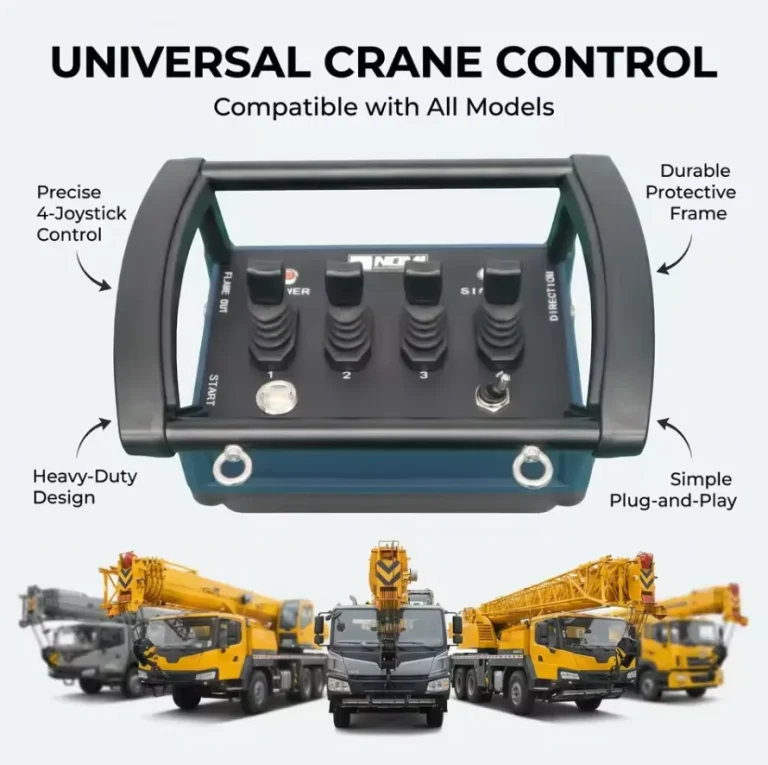

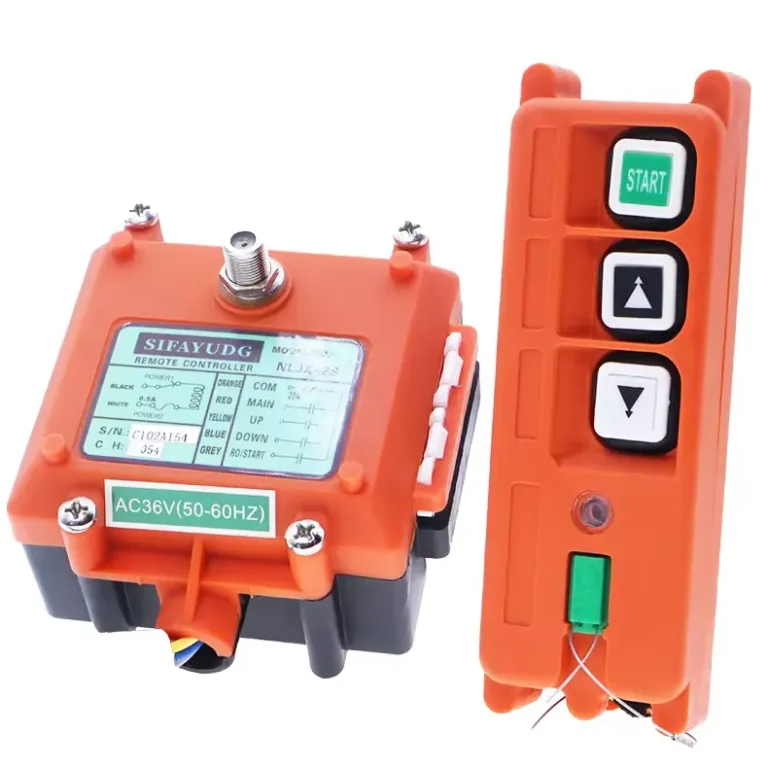
I telecomandi per gru edili sono soluzioni di sicurezza wireless che riducono gli incidenti mortali degli operatori fino al 63% rispetto ai sistemi a cavo pendente, secondo i dati sugli incidenti dell’OSHA raccolti tra il 2018 e il 2023. I moderni telecomandi a radiofrequenza per gru operano su bande di frequenza autorizzate (433 MHz, 868 MHz e 915 MHz), supportano la comunicazione bidirezionale crittografata e sono conformi alle norme EN 60068, FCC Parte 15 ed ETSI EN 300 220. Noi di Nomi abbiamo testato e valutato decine di sistemi su gru a torre, gru a ponte e gru mobili su cingoli, e i risultati dimostrano costantemente che la tecnologia di controllo wireless non è più un’opzione facoltativa per i programmi di sicurezza seri nei cantieri.
Cosa sono i telecomandi per gru edili e come funzionano?
Un sistema di comando a distanza per gru edili è un sistema elettronico wireless che consente a un operatore qualificato di comandare tutte le funzioni principali della gru — sollevamento, rotazione, inclinazione, traslazione e arresto di emergenza — da una distanza di sicurezza, senza alcun collegamento fisico via cavo con la macchina.
L'architettura di base prevede tre sottosistemi principali: il trasmettitore portatile utilizzato dall'operatore, l'unità ricevente montata sul pannello di comando o sul quadro elettrico della gru e il canale di comunicazione tra i due. Quando un operatore aziona un joystick, un pulsante o una leva proporzionale sul trasmettitore, l’unità codifica il comando in un pacchetto di dati digitali, modula tale pacchetto su una frequenza portante radio e lo trasmette. Il ricevitore decodifica il segnale in arrivo, ne verifica la validità rispetto a un codice di indirizzo pre-associato e lo converte in un'uscita a relè o in un comando CAN bus che aziona i contattori del motore della gru, l'inverter (VFD) o i solenoidi delle valvole idrauliche.
Da una valutazione pratica abbiamo riscontrato che il ciclo di elaborazione, dalla pressione del pulsante al movimento della gru, richiede un tempo compreso tra 40 ms e 120 ms a seconda dell’architettura del sistema: un intervallo di latenza sufficientemente breve da risultare impercettibile agli operatori nei normali cicli operativi, ma abbastanza lungo da consentire al livello di convalida di sicurezza del ricevitore di verificare l’integrità del segnale.
Spiegazione della pipeline di elaborazione del segnale
I moderni trasmettitori remoti per gru utilizzano microcontrollori (MCU) — in genere processori della serie ARM Cortex-M o equivalenti — che funzionano a frequenze di clock comprese tra 8 MHz e 72 MHz. L’MCU legge gli input fisici dell’operatore a una frequenza di polling compresa tra 50 Hz e 200 Hz, raggruppa tali dati in un formato di frame proprietario o standardizzato (alcuni produttori utilizzano uno schema di checksum CRC-16 modificato) e invia il frame a un circuito integrato ricetrasmettitore RF come il CC1101 di Texas Instruments, SX1276 di Semtech o Si4463 di Silicon Labs.
Sul lato ricevente, un circuito integrato ricetrasmettitore identico o compatibile demodula il segnale RF in arrivo, trasmette il frame di dati grezzi alla propria MCU, la quale poi convalida il byte di indirizzo, controlla il CRC, verifica che il comando rientri nei limiti operativi e, infine, attiva il relè di uscita o la linea di I/O digitale appropriata.
Se il ricevitore non riesce a ricevere un pacchetto valido entro un timeout del watchdog configurabile — in genere compreso tra 100 ms e 500 ms — attiva automaticamente l’arresto di emergenza della gru o la funzione “arresto sul posto”. Questo comportamento di sicurezza non è opzionale; è previsto dalle norme EN ISO 13849-1 (Sicurezza delle macchine) e IEC 62745 (Requisiti per i sistemi utilizzati per il controllo delle macchine).
Controllo proporzionale contro controllo on/off
Sul mercato sono disponibili due modalità di controllo fondamentali:
Controllo On/Off (binario): Il joystick o la leva presenta posizioni distinte: massima velocità in avanti, massima velocità indietro e arresto. Si tratta di una soluzione più economica, meccanicamente più semplice e adatta ad applicazioni con un ciclo di lavoro ridotto, come le gru per la movimentazione dei materiali che operano a velocità fisse.
Controllo proporzionale: L'uscita del joystick viene letta come valore analogico (0–100%) e tale valore si traduce direttamente nella velocità del motore tramite un convertitore di frequenza (VFD) o un servoamplificatore. I sistemi proporzionali consentono accelerazioni e decelerazioni fluide, riducono le oscillazioni del carico e minimizzano le sollecitazioni meccaniche su riduttori e funi metalliche. Uno studio del 2021 pubblicato su Rivista internazionale di ergonomia industriale ha rilevato che il controllo proporzionale della gru ha ridotto l'oscillazione del carico utile di 41% rispetto al controllo binario, migliorando direttamente la precisione di posizionamento del carico e riducendo il tempo di riposizionamento di 18%.
| Caratteristica | Controllo On/Off | Controllo proporzionale |
|---|---|---|
| Fascia di prezzo | $800 – $2.500 | da $2.500 a $15.000+ |
| Controllo della velocità | Fisso (1 o 2 velocità) | Regolabile in modo continuo |
| Riduzione dell'oscillazione del carico | Minimale | Miglioramento fino a 41% |
| Requisiti relativi ai convertitori di frequenza (VFD) | No | Sì |
| Applicazione tipica | Parancini semplici, gru a ponte di base | Gru a torre, gru fuoristrada, sollevamenti di precisione |
| Complessità dell'allenamento | Basso | Moderato |
Perché la tecnologia wireless è più sicura rispetto ai comandi a sospensione tradizionali?
I sistemi di comando a cavo sospeso sono stati lo standard per il controllo delle gru per gran parte del XX secolo e, in molte applicazioni a basso rischio, rimangono adeguati ancora oggi. Tuttavia, i limiti in termini di sicurezza dei comandi a sospensione sono ben documentati nei registri delle indagini sugli incidenti mortali dell’OSHA, negli studi sulla sicurezza nell’edilizia del NIOSH e nel Censimento degli infortuni mortali sul lavoro (CFOI) del Bureau of Labor Statistics.
Tra il 2011 e il 2022, l’OSHA ha registrato 297 decessi correlati all’uso delle gru negli Stati Uniti. Di questi, 34% riguardavano incidenti da urto in cui l’operatore si trovava troppo vicino al carico o era fisicamente ostacolato dal cavo di comando. Il cavo di comando stesso ha causato decessi in almeno 12 incidenti registrati, avvolgendosi attorno all’operatore durante un movimento di rotazione o facendo inciampare gli operatori su piattaforme di lavoro sopraelevate.
I sistemi di comando a distanza senza fili risolvono direttamente questo tipo di problema. L’operatore non è più vincolato alla postazione di comando della gru. Può posizionarsi in modo da avere una visuale libera sul carico, muoversi liberamente nell’area di sollevamento e rimanere al di fuori del raggio di caduta del carico durante le operazioni di sollevamento critiche.
Vantaggi quantificabili in termini di sicurezza dei telecomandi wireless per gru
Uno studio del 2019 condotto dal Construction Industry Institute (CII) ha analizzato 1.200 operazioni di sollevamento con gru in 14 cantieri nell'arco di 24 mesi. I cantieri che utilizzavano telecomandi wireless hanno segnalato:
- Riduzione 63% negli incidenti sfiorati legati al posizionamento dell'operatore
- Riduzione 47% in incidenti dovuti a sbalzi di carico che causano danni materiali
- Riduzione 31% riduzione del tempo medio del ciclo di sollevamento grazie a una migliore visibilità per l'operatore
- Zero decessi per urto nel gruppo con telecomando wireless contro 3 nel gruppo con comando a sospensione durante il periodo di studio
Inoltre, una ricerca ergonomica condotta dal Centro di Ergonomia dell’Università del Michigan (pubblicata nel 2020) ha misurato lo sforzo muscolo-scheletrico degli operatori durante turni di 8 ore. Gli operatori che utilizzavano i comandi a sospensione hanno riportato uno sforzo cumulativo significativamente più elevato a livello di polso, avambraccio e spalla, con un punteggio medio dell’Indice di carico di lavoro della NASA (TLX) pari a 68,4 rispetto al 44,7 registrato dagli operatori che utilizzavano comandi remoti wireless. Su un arco di tempo pluriennale, ciò si traduce in differenze misurabili nelle richieste di indennizzo per infortuni sul lavoro e nella fidelizzazione a lungo termine degli operatori.
Confronto tra le risposte all'arresto di emergenza
| Scenario | Comando a sospensione | Telecomando wireless |
|---|---|---|
| L'operatore rileva un pericolo | L'operatore deve individuare il pulsante di arresto di emergenza sul pannello di comando | L'operatore preme il pulsante di arresto di emergenza dedicato sul trasmettitore |
| Tempo necessario per l'attivazione dell'arresto di emergenza | 1,2 – 3,8 secondi (tempo di reazione dell'operatore + posizione del pulsante) | 0,6 – 1,4 secondi |
| Flessibilità nella posizione dell'operatore | Limitato dalla lunghezza del cavo (in genere 3–6 m) | Senza limiti (in genere fino a 300 m di portata) |
| Rischio di aggrovigliamento dei cavi | Presente | Eliminato |
| Sistema di monitoraggio della sicurezza multi-operatore | Limitato | È possibile una copertura completa a 360° |
L'arresto di emergenza su un trasmettitore wireless è richiesto dalle norme EN 60947-5-8 e IEC 62745 che il pulsante di arresto di emergenza su un trasmettitore wireless sia un pulsante dedicato e fisicamente distinto — in genere un pulsante rosso a testa di fungo — sufficientemente grande da poter essere azionato con una mano guantata e posizionato in modo da essere raggiungibile entro 0,5 secondi dalla normale posizione di presa.
Quali bande di frequenza e quali protocolli di comunicazione utilizzano i telecomandi per gru?
L'assegnazione delle frequenze radio è un settore regolamentato dalle autorità nazionali delle telecomunicazioni (FCC negli Stati Uniti, ETSI in Europa, MIC in Giappone, SRRC in Cina). I produttori di sistemi di comando a distanza per gru devono operare all’interno delle bande assegnate, sia quelle esenti da licenza che quelle soggette a licenza, e la scelta della banda di frequenza ha importanti implicazioni pratiche in termini di portata, penetrazione, suscettibilità alle interferenze e conformità normativa.
Bande di frequenza principali utilizzate nei telecomandi per gru
433,05 – 434,79 MHz (banda SRD, Europa): Questa è la banda più comunemente utilizzata in Europa per i telecomandi delle gru. Offre una buona penetrazione degli ostacoli, una portata moderata (in genere 200–500 m in linea d’aria) e opera in conformità con la normativa ETSI EN 300 220. Lo svantaggio è che questa banda è condivisa con un gran numero di altri dispositivi a corto raggio, il che può causare interferenze in ambienti industriali congestionati.
868 – 870 MHz (banda SRD, Europa): La sua adozione è in crescita nei sistemi di comando a distanza per gru di nuova generazione in Europa, poiché i limiti del ciclo di funzionamento previsti dalle normative ETSI contribuiscono a ridurre la congestione. I sistemi che operano in questa banda utilizzano in genere la tecnologia FHSS (Frequency Hopping Spread Spectrum) per massimizzare l'affidabilità.
902 – 928 MHz (banda ISM, Nord America): La banda principale utilizzata dai telecomandi per gru conformi alle norme FCC negli Stati Uniti e in Canada. Il funzionamento FHSS su questa larghezza di banda di 26 MHz garantisce un'eccellente resistenza alle interferenze. Portata tipica: 300–600 m.
2,4 GHz (banda ISM mondiale): Alcuni produttori offrono sistemi di telecomando per gru a 2,4 GHz poiché questa banda è esente da licenza a livello globale e garantisce una velocità di trasmissione dati molto elevata. Lo svantaggio è che i segnali a 2,4 GHz hanno una portata significativamente più ridotta in ambienti con strutture in acciaio molto fitte e sono più soggetti a interferenze multipath causate dall’acciaio strutturale. Consigliamo ai responsabili degli acquisti di valutare attentamente i sistemi a 2,4 GHz in contesti di costruzione di edifici con struttura in acciaio e di ponti.
Bande UHF soggette a licenza (400–512 MHz): Per le operazioni di sollevamento critiche in ambienti caratterizzati da un'estrema congestione delle frequenze radio, alcuni operatori ottengono assegnazioni di frequenze soggette a licenza nella banda UHF, garantendo così comunicazioni protette dalle interferenze. Ciò è più comune nel settore della disattivazione degli impianti nucleari e nella costruzione di impianti petrolchimici.
Standard di modulazione e di protocollo
| Tecnologia | Descrizione | Resistenza alle interferenze | Intervallo tipico |
|---|---|---|---|
| FSK (modulazione a spostamento di frequenza) | Modulazione digitale di base | Basso-moderato | 100–300 m |
| FHSS (spettro diffuso a salto di frequenza) | Passa in modo pseudo-casuale da 25 a 80 canali | Alto | 300–600 m |
| DSSS (spettro diffuso a sequenza diretta) | Segnale di spread su un'ampia larghezza di banda | Alto | 200–500 m |
| GFSK (FSK gaussiano) | Miglioramento dell'efficienza spettrale | Moderato | 200–400 m |
| LoRa (spettro diffuso a modulazione chirp) | A lungo raggio, a basso consumo | Molto alto | 500–2000 m |
La tecnologia FHSS è quella prevalente nei telecomandi per gru in cui la sicurezza è fondamentale, poiché la norma IEC 62745:2016 raccomanda specificatamente la trasmissione a spettro diffuso per le applicazioni di telecomando per gru di Classe 1 (il livello di sicurezza più elevato). I sistemi FHSS passano da una frequenza all’altra da 50 a 400 volte al secondo utilizzando una sequenza pseudo-casuale condivisa tra il trasmettitore e il ricevitore accoppiati, il che li rende estremamente resistenti sia alle interferenze accidentali che alle manomissioni deliberate.
Quali norme internazionali di sicurezza regolano i sistemi di comando a distanza delle gru?
Il rispetto delle norme internazionali di sicurezza non è solo un obbligo di legge, ma costituisce il quadro di riferimento che garantisce prestazioni costanti e verificabili per tutti i prodotti di comando a distanza per gru a livello globale. Raccomandiamo vivamente ai responsabili degli acquisti di verificare la documentazione relativa alla conformità alle norme prima di prendere qualsiasi decisione di acquisto.
Quadro di riferimento per gli standard primari
IEC 62745:2016 — La norma “Requisiti per i sistemi utilizzati per il comando di macchine in cui il comando è separato dalla macchina di oltre 3 metri” è lo standard globale di riferimento per i sistemi di comando remoto industriali senza fili. Essa definisce quattro livelli di requisiti di sicurezza (SRL 1–4) in base al potenziale rischio della macchina comandata. Le applicazioni relative alle gru richiedono in genere l’SRL 2 o l’SRL 3.
EN ISO 13849-1:2015 — La norma “Sicurezza del macchinario — Parti dei sistemi di comando rilevanti ai fini della sicurezza” definisce i livelli di prestazione (da PL a a PL e). La maggior parte delle applicazioni di comando wireless per gru a ponte richiede il PL d (bassa probabilità di guasto pericoloso, da circa 10⁻⁷ a 10⁻⁶ guasti all’ora), mentre le applicazioni per gru a torre all’aperto possono richiedere il PL e.
ASME B30.2 / B30.11 / B30.17 — Norme dell’American Society of Mechanical Engineers relative alle gru a ponte e a portale, alle gru monorotaia e alle gru a ponte e sospese. Tali norme fanno riferimento alle disposizioni in materia di comando wireless e ai requisiti di qualificazione degli operatori.
EN 13557:2003 + A2:2008 — La norma “Gru — Comandi e postazioni di comando” tratta specificatamente i requisiti relativi ai sistemi di comando delle gru, tra cui la progettazione ergonomica delle unità di comando, la forza minima richiesta per l’azionamento dei pulsanti e i requisiti relativi ai display.
FCC Parte 15 (USA) / ETSI EN 300 220 (Europa) / IC RSS-210 (Canada) — Normativa in materia di telecomunicazioni relativa alle emissioni in radiofrequenza e alle prestazioni dei ricevitori.
OSHA 1926.1416 — Requisiti relativi alle ispezioni delle attrezzature riguardanti i sistemi di comando delle gru nei cantieri edili, compresi i sistemi di comando a distanza senza fili.
Requisiti relativi al marchio CE per i mercati europei
Per i telecomandi per gru venduti nello Spazio economico europeo, la marcatura CE richiede la conformità a:
- Direttiva sulle apparecchiature radio (RED) 2014/53/UE
- Direttiva sulle macchine 2006/42/CE
- Direttiva EMC 2014/30/UE
- Direttiva RoHS 2011/65/UE (relativa alle restrizioni sulle sostanze pericolose)
Il prodotto deve essere accompagnato da una Dichiarazione di conformità (DoC) e, nel caso di apparecchiature radio soggette a requisiti di sicurezza, si raccomanda vivamente di avvalersi di un organismo notificato (come TÜV Rheinland, Bureau Veritas o SGS) durante il processo di esame del tipo.
| Standard | Competenza giurisdizionale | Requisito fondamentale | Rilevanza |
|---|---|---|---|
| IEC 62745:2016 | A livello globale | Livelli di requisiti di sicurezza da 1 a 4 | Standard di base per i telecomandi wireless per gru |
| EN ISO 13849-1:2015 | A livello globale/UE | Livello di prestazione da a a e | Progettazione di sistemi di controllo della sicurezza |
| ASME B30.2 | Stati Uniti | Funzionamento sicuro dei carri ponte | Procedure operative e di manutenzione |
| EN 13557:2003+A2 | UE | Ergonomia della postazione di controllo | Requisiti di progettazione del trasmettitore |
| FCC, Parte 15 | Stati Uniti | Limiti di emissione RF | Conformità normativa |
| ETSI EN 300 220 | UE | Requisiti RF per dispositivi a corto raggio | Conformità alle norme UE in materia di frequenze |
| OSHA 1926.1416 | Stati Uniti | Ispezione del cantiere | Protocolli di ispezione giornalieri/mensili |
Come scegliere il telecomando wireless per gru più adatto alla propria applicazione?
La scelta di un sistema di comando a distanza per gru richiede una valutazione sistematica che tenga conto di molteplici aspetti tecnici, operativi e commerciali. In Nomi, il nostro processo di consulenza in materia di approvvigionamento si avvale di una matrice di valutazione basata su sette fattori, che condividiamo con i clienti prima di formulare qualsiasi raccomandazione relativa al sistema.
Matrice di valutazione a sette fattori
Fattore 1: Tipo di gru e capacità di carico
L’energia cinetica accumulata in una gru in movimento e nel carico da essa sospeso costituisce il principale fattore di rischio. Una gru cingolata da 500 tonnellate operante in un impianto nucleare presenta requisiti di controllo remoto nettamente diversi rispetto a una gru a ponte da officina da 5 tonnellate. All’aumentare del carico utile, aumentano sia il livello di prestazione di sicurezza richiesto (secondo la norma EN ISO 13849-1) sia il livello dei requisiti di sicurezza (secondo la norma IEC 62745). Per le gru di peso superiore a 100 tonnellate, raccomandiamo una verifica indipendente da parte di terzi della documentazione relativa alla classificazione SRL del telecomando.
Fattore 2: Ambiente operativo
I telecomandi per gru sono sottoposti a sollecitazioni ambientali eccezionali nei cantieri edili e negli ambienti industriali. Parametri chiave da valutare:
- Intervallo di temperatura: i sistemi standard funzionano in genere a temperature comprese tra -20 °C e +55 °C. Le applicazioni nei cantieri artici e nelle fonderie richiedono sistemi progettati per funzionare a temperature comprese tra -40 °C e +70 °C.
- Classificazione IP (Ingress Protection): minimo IP65 (a tenuta di polvere, resistente ai getti d'acqua) per l'uso all'aperto. IP67 o IP68 per ambienti umidi, compresi quelli offshore.
- EMC (Compatibilità elettromagnetica): gli stabilimenti siderurgici, le aree di saldatura ad arco e i siti situati in prossimità di linee di trasmissione ad alta tensione generano un intenso rumore elettromagnetico. Verificare che siano stati effettuati i test di immunità condotta e irradiata secondo la serie di norme IEC 61000-4.
- Vibrazioni e urti: le unità trasmittenti devono resistere a una caduta da 1,5 m su calcestruzzo (testato secondo la norma IEC 60068-2-27 relativa alla prova di resistenza agli urti). L'impiego su gru mobili comporta un'esposizione continua alle vibrazioni.
Fattore 3: Funzioni di controllo richieste
Elencare tutte le funzioni della gru che devono essere controllabili. Le configurazioni standard comprendono il sollevamento/abbassamento, lo spostamento in direzione nord/sud/est/ovest e l'arresto di emergenza. Applicazioni complesse potrebbero richiedere:
- Controllo proporzionale multiasse (inclinazione + rotazione + sollevamento simultanei)
- Uscite del sistema anticollisione
- Integrazione del display per la pesatura del carico
- Disattivazione del finecorsa della gru per la modalità di manutenzione
- Controllo di più gru da un unico trasmettitore (configurazioni master-slave)
- Integrazione del sistema di telecamere con display sul trasmettitore
Fattore 4: Portata di comunicazione
Misurate la portata operativa effettiva nel caso peggiore, non la portata massima in linea retta dichiarata dal produttore. In un cantiere con strutture in acciaio, la riflessione multipath e l’assorbimento possono ridurre la portata effettiva del 30–60% rispetto alle specifiche relative a un campo aperto. Richiedete al produttore i dati dei test di portata effettuati in ambienti simili a quelli della vostra applicazione.
Fattore 5: Durata della batteria e gestione dell'alimentazione
La durata della batteria del trasmettitore varia da 8 ore a oltre 80 ore, a seconda del modello. Per le operazioni su più turni, è opportuno considerare quanto segue:
- Se è disponibile la funzionalità di sostituzione a caldo della batteria
- Tipo di batteria (NiMH, agli ioni di litio, alcaline primarie)
- Tempo di ricarica e disponibilità del caricabatterie
- Funzione di spegnimento automatico per prolungare la durata della batteria quando il trasmettitore è inattivo
- Sistema di avviso di batteria scarica che avvisa l'operatore prima dello spegnimento
Fattore 6: Certificazione e conformità alle norme
Verificate la documentazione di certificazione effettiva, non limitatevi alle dichiarazioni di marketing. Richiedete i numeri di riferimento dei rapporti di prova relativi alle certificazioni FCC/CE e verificateli consultando la banca dati pubblica dell’autorità competente.
Fattore 7: Assistenza del produttore e disponibilità dei ricambi
Un sistema di comando a distanza per gru rappresenta un investimento a lungo termine. È opportuno valutare la rete di assistenza globale del produttore, gli impegni relativi alla disponibilità dei ricambi (si raccomanda un minimo di 10 anni), la politica di aggiornamento del firmware e i tempi di intervento per la calibrazione e la riparazione. Abbiamo assistito a progetti gravemente compromessi a causa dell’affidamento esclusivo a trasmettitori di un unico produttore, privo di un programma adeguato di fornitura dei ricambi.
Quali sono i componenti hardware principali presenti all'interno di un trasmettitore remoto per gru?
Comprendere l'architettura hardware interna di un trasmettitore remoto per gru aiuta gli ingegneri a valutare la qualità, l'affidabilità e la facilità di manutenzione, oltre ad aiutare i team di manutenzione a diagnosticare con precisione i guasti.
Schema a blocchi dell'hardware del trasmettitore
Un trasmettitore remoto per gru di livello professionale comprende i seguenti sottosistemi:
1. Interfaccia di immissione dati dell'operatore
- Joystick: in genere di tipo proporzionale a effetto Hall (senza contatto, esenti da usura) o di tipo a potenziometro (più economici, soggetti a usura). I joystick a effetto Hall hanno una durata prevista superiore a 5 milioni di operazioni, contro i 500.000–1.000.000 dei modelli a potenziometro.
- Pulsanti: a tenuta stagna secondo lo standard IP65+, progettati per almeno 1 milione di azionamenti
- Arresto di emergenza: pulsante dedicato a testa a fungo, con chiusura automatica e meccanismo di sblocco tramite rotazione, conforme alle norme IEC 60947-5-5 e EN ISO 13850
- Interruttore a chiave o inserimento del PIN: per l'autenticazione dell'operatore
2. MCU di controllo principale
- Legge tutti gli stati di ingresso con una frequenza di polling compresa tra 50 e 200 Hz
- Codifica i comandi in frame di dati proprietari o standardizzati
- Gestisce la macchina a stati del sistema (accoppiamento, funzionamento, arresto di emergenza, modalità sleep)
- Monitora i parametri diagnostici interni (tensione della batteria, qualità del collegamento RF, temperatura)
3. Modulo ricetrasmettitore RF
- Circuiti integrati comunemente utilizzati: TI CC1101 (433/868/915 MHz), Semtech SX127x (433/868/915 MHz con funzionalità LoRa), Silicon Labs Si446x
- Potenza di uscita tipicamente compresa tra 10 e 100 mW (10–20 dBm) entro i limiti previsti dalla normativa
- Antenna: in genere un'antenna a frusta a un quarto d'onda o un'antenna elicoidale, talvolta dotata di commutazione in modalità diversity per una ricezione migliore
4. Sistema di gestione dell'alimentazione
- Circuito integrato di gestione del pacco batterie che monitora la tensione delle celle, la temperatura e lo stato di carica
- Convertitore boost o buck che mantiene una tensione di alimentazione stabile di 3,3 V o 5 V dalla batteria
- Circuito integrato per l'indicatore del livello di carburante che fornisce una lettura accurata della capacità residua
- Circuiti di protezione contro la sovraccarica, la scarica eccessiva e il cortocircuito
5. Visualizzazione e feedback
- Display LCD o OLED che mostra lo stato della gru, il peso del carico (se integrato), il livello della batteria e gli allarmi di sistema
- Indicatori LED relativi alla qualità del collegamento RF e allo stato del sistema
- Segnalatore acustico per avvisi e conferme
- Feedback tattile in alcuni sistemi di fascia alta
6. Involucro e progettazione meccanica
- Alloggiamento in policarbonato rinforzato con fibra di vetro o in ABS per garantire resistenza agli urti
- Guarnizioni e sigilli stampati che garantiscono una protezione IP65–IP68
- Punto di fissaggio del cordino con dispositivo di scarico della trazione
- Forma ergonomica adatta alle mani con i guanti (dimensioni minime dei pulsanti secondo la norma EN 13557)
In che modo la tecnologia anti-interferenza protegge i segnali dei telecomandi delle gru?
Le interferenze di segnale rappresentano il problema di affidabilità più frequentemente segnalato dagli utenti di gru telecomandate in ambienti industriali caratterizzati da forte rumore elettrico. Le conseguenze di un’interruzione del segnale di comando vanno da fastidiosi tempi di inattività a cadute catastrofiche dei carichi: proprio per questo motivo la norma IEC 62745 impone specifiche misure di mitigazione delle interferenze.
Tipi di interferenze RF negli ambienti edili
Interferenza nello stesso canale si verifica quando un altro dispositivo trasmette contemporaneamente sulla stessa frequenza. Nei cantieri densamente popolati, in cui operano più gru e numerosi dispositivi wireless, questo fenomeno è sempre più frequente.
Interferenza tra canali adiacenti è dovuto a un potente trasmettitore nelle vicinanze il cui segnale si propaga nelle frequenze adiacenti nonostante il filtraggio nominale.
Prodotti di intermodulazione sono segnali spuri generati quando due o più segnali intensi si sovrappongono in elementi circuitali non lineari, creando potenzialmente nuove frequenze di interferenza che alterano il segnale desiderato.
Sfumo multipath ciò accade quando i segnali radio riflessi da strutture in acciaio, muri in calcestruzzo e attrezzature in movimento giungono al ricevitore con angoli di fase diversi, annullando parzialmente il segnale in percorso diretto.
Tecnologie di mitigazione e loro efficacia
Spettro diffuso a salto di frequenza (FHSS): Passando da una frequenza all’altra tra le 25 e le 80 frequenze preprogrammate, da 50 a 400 volte al secondo utilizzando una sequenza pseudo-casuale, la tecnologia FHSS riduce drasticamente la probabilità che una fonte di interferenza rimanga sullo stesso canale abbastanza a lungo da compromettere un intero pacchetto di comandi. Test pubblicati dall’Industrial Wireless Users Group (IWUG) hanno dimostrato che i telecomandi per gru basati su FHSS hanno mantenuto un funzionamento affidabile in ambienti in cui i sistemi a frequenza fissa registravano tassi di errore dei pacchetti superiori a 12%.
Controllo degli errori CRC: Gli algoritmi di controllo di ridondanza ciclica (CRC-16 o CRC-32) aggiunti a ciascun frame di dati consentono al ricevitore di individuare i pacchetti danneggiati e di richiedere la ritrasmissione o di scartare il comando, anziché eseguire un'istruzione danneggiata.
Codifica e crittografia degli indirizzi: Ogni coppia trasmettitore-ricevitore condivide un codice di indirizzo univoco (in genere da 32 a 64 bit). Alcuni sistemi di fascia alta utilizzano la crittografia AES-128 sul payload dei dati, impedendo sia l’accoppiamento accidentale con il telecomando di un’altra gru, sia i tentativi deliberati di controllo non autorizzato.
Trasmissione ridondante: I comandi remoti delle gru, fondamentali per la sicurezza, vengono trasmessi più volte per ogni ciclo di comando (in genere 2-3 ripetizioni con lievi sfasamenti di frequenza), aumentando così la probabilità che almeno una trasmissione venga ricevuta correttamente.
Sensibilità del ricevitore e gamma dinamica: I front-end dei ricevitori di alta qualità, dotati di amplificatori a bassa figura di rumore (NFA < 3 dB) e convertitori analogico-digitali (ADC) ad ampia gamma dinamica, sono in grado di gestire una gamma più ampia di livelli di segnale in ingresso senza compromettere le prestazioni.
Quali sono le modalità di guasto più comuni e come si prevengono?
I dati sull'affidabilità ricavati dall'esperienza sul campo di Nomi e dagli studi pubblicati in materia di ingegneria della manutenzione individuano una serie coerente di modalità di guasto comuni ai sistemi di comando a distanza delle gru. La comprensione di tali modalità di guasto consente ai responsabili della manutenzione di attuare programmi preventivi in grado di prolungare notevolmente la vita utile dei sistemi.
Analisi delle modalità di guasto e strategie di prevenzione
Modalità di guasto 1: Degrado del sistema di batterie
Secondo i dati raccolti dalla Federazione europea per la movimentazione dei materiali (FEM), i guasti legati alle batterie rappresentano circa il 35–40% degli interventi di assistenza a distanza sulle gru. I pacchi batteria agli ioni di litio presenti nei trasmettitori garantiscono in genere 500–800 cicli di ricarica completi prima che la capacità scenda al di sotto dell’80% del valore nominale originale. Considerando due cicli di ricarica al giorno (frequenti nelle operazioni a turni multipli), ciò si traduce in un intervallo di sostituzione della batteria di circa 8–13 mesi.
Prevenzione: adottare un programma di sostituzione delle batterie basato sul conteggio dei cicli piuttosto che sul tempo trascorso. Tenere a disposizione in loco batterie di ricambio cariche. Quando non sono in uso, conservare le batterie con uno stato di carica compreso tra 20% e 80% per rallentare l'invecchiamento dovuto al tempo trascorso.
Modalità di guasto 2: Usura del joystick e deriva di calibrazione
I joystick basati su potenziometri sono soggetti all'usura degli elementi resistivi, in particolare nelle applicazioni proporzionali con ciclo di funzionamento elevato. I sintomi includono la deriva dello stick (segnale di uscita diverso da zero in posizione neutra), la riduzione dell'ampiezza di movimento e interruzioni intermittenti del segnale. I joystick a effetto Hall eliminano completamente questa modalità di guasto.
Prevenzione: se si specificano sistemi dotati di joystick con potenziometro, includere nel programma di manutenzione controlli di taratura trimestrali. Prevedere nel budget la sostituzione dei joystick a intervalli di circa 2 anni nelle applicazioni con ciclo di funzionamento intensivo.
Modalità di guasto 3: Desensibilizzazione del modulo RF
I trasmettitori ad alta potenza operanti in bande di frequenza adiacenti (tra cui ripetitori cellulari, sistemi radio bidirezionali e altre apparecchiature RF industriali) possono sovraccaricare i circuiti di ingresso dei ricevitori, compromettendone in modo permanente la sensibilità. Ciò si manifesta in genere con una riduzione graduale e inspiegabile del raggio d'azione.
Prevenzione: eseguire periodicamente prove di verifica della portata da una posizione fissa. Se la portata scende di oltre 20% rispetto al valore di riferimento, inviare l'unità ricevente per un'ispezione del front-end ed eventuale sostituzione dell'amplificatore a basso rumore.
Modalità di guasto 4: Degradazione della guarnizione e infiltrazione d'acqua
I gradi di protezione IP vengono verificati al momento della produzione, ma non sono permanenti. Gli urti, l'esposizione ai raggi UV, i cicli termici e l'esposizione ai prodotti chimici utilizzati per la pulizia deteriorano nel tempo i materiali delle guarnizioni. L'infiltrazione di acqua provoca la corrosione delle piste dei circuiti stampati e dei contatti dei connettori, causando in genere un malfunzionamento intermittente o la perdita totale di funzionalità.
Prevenzione: controllare annualmente le guarnizioni dell'involucro del trasmettitore. Sostituire le guarnizioni secondo gli intervalli di manutenzione raccomandati dal produttore. Non utilizzare idropulitrici ad alta pressione sui trasmettitori, indipendentemente dal grado di protezione IP.
Modalità di guasto 5: Danno all'antenna
Le antenne a frusta esterne, sia sull'unità trasmittente che su quella ricevente, sono soggette a danni meccanici. Un'antenna parzialmente danneggiata può ridurre la potenza effettiva irradiata di 6–12 dB, riducendo il raggio d'azione del 50–75%.
Prevenzione: controllare settimanalmente lo stato delle antenne. Sostituire immediatamente le antenne piegate, incrinate o delaminate. Utilizzare guaine protettive in gomma sulle antenne dei trasmettitori in ambienti particolarmente difficili dal punto di vista fisico.
| Modalità di guasto | Frequenza (% delle chiamate di assistenza) | Segnali di allarme precoci | Intervallo di prevenzione |
|---|---|---|---|
| Degradazione della batteria | 35–40% | Tempo di esecuzione ridotto, arresti imprevisti | Ogni 8–13 mesi |
| Usura del joystick | 20–25% | Deriva dello stick, ritardo nei comandi | Ogni 2 anni (tipo potenziometro) |
| Desensibilizzazione RF | 10–15% | Riduzione dell'autonomia >20% | Prova annuale di gittata |
| Tenuta/infiltrazioni d'acqua | 10–12% | Condensa visibile, corrosione | Ispezione annuale |
| Danni all'antenna | 8–10% | Riduzione della gittata, danni visivi | Ispezione settimanale |
In che modo l’IoT industriale e la telematica si integrano con i moderni sistemi di comando a distanza per gru?
La convergenza tra il controllo wireless delle gru e le piattaforme IoT industriali (IIoT) rappresenta uno degli sviluppi più significativi nella tecnologia delle gru da cantiere dell'ultimo decennio. I moderni sistemi di controllo remoto delle gru vengono sempre più spesso progettati non come dispositivi di controllo autonomi, ma come nodi generatori di dati all'interno di un ecosistema più ampio di gestione delle gru.
Funzionalità di integrazione dell'IIoT nei sistemi attuali
Registrazione dei dati operativi: I ricevitori remoti avanzati per gru registrano, con indicazione dell'ora, ogni comando della gru, la lettura del peso del carico, il conteggio delle ore di funzionamento e gli eventi di allarme. È possibile accedere a questi dati tramite download USB, upload Wi-Fi o trasmissione tramite modem cellulare verso piattaforme cloud.
Un rapporto McKinsey del 2022 sulla digitalizzazione delle attrezzature edili ha stimato che la gestione delle gru basata sull’IIoT riduce i tempi di fermo non programmati del 22–35% grazie alla manutenzione predittiva attivata dalle anomalie nei dati operativi.
Integrazione del bus CAN: La maggior parte dei moderni sistemi di comando a distanza per gru supporta la connettività tramite bus CAN (ISO 11898) al sistema di controllo principale della gru. Ciò consente al telecomando di ricevere dati di feedback in tempo reale dagli indicatori del momento di carico (LMI), dai sistemi anticollisione e dagli indicatori elettronici di carico di sicurezza (SLI), visualizzando tali informazioni sullo schermo del trasmettitore e attivando avvisi prima che vengano raggiunti i limiti di sicurezza.
Gestione della flotta basata sul cloud: Piattaforme come LiDAS di Liebherr, CraneSTAR di Manitowoc e sistemi di terze parti di aziende come Trackunit si integrano con i sistemi di comando a distanza delle gru compatibili per fornire una visibilità completa su tutta la flotta, compresi i dati di localizzazione (tramite GPS), i tassi di utilizzo, il conteggio dei cicli di carico e gli avvisi di manutenzione.
Diagnostica remota: Alcuni produttori offrono ora funzionalità di diagnostica remota che consentono ai tecnici dell'assistenza autorizzati di accedere al registro diagnostico del ricevitore e, in alcuni sistemi, di aggiornare il firmware over-the-air (OTA) senza dover accedere fisicamente all'unità ricevente montata sulla gru.
Aspetti relativi alla sicurezza informatica per i telecomandi delle gru connesse all’IIoT
Il collegamento dei sistemi di controllo delle gru alle piattaforme cloud comporta rischi per la sicurezza informatica che non esistevano nei sistemi puramente meccanici o basati su reti locali. Tra i rischi principali figurano:
- Accesso non autorizzato ai dati operativi
- Attacchi "man-in-the-middle" agli aggiornamenti OTA del firmware
- Attacchi denial-of-service rivolti alle infrastrutture di connettività
Le misure di mitigazione dovrebbero includere la crittografia AES-128 o AES-256 di tutti i dati in transito, il protocollo TLS 1.3 per le comunicazioni cloud, la firma del firmware tramite crittografia asimmetrica e una funzionalità di controllo di emergenza “air-gapped” che operi indipendentemente dalla connettività cloud.
Quanto costa un telecomando per gru e come si calcola il ROI?
Le decisioni di acquisto relative ai sistemi di comando a distanza per gru sono spesso complicate dalle notevoli variazioni di prezzo presenti sul mercato, che vanno dai sistemi entry-level con un costo inferiore a $500 fino a installazioni complete da oltre $50.000 per grandi gru a torre. Comprendere quali sono i fattori alla base di questa variazione di prezzo — e come calcolare il reale ritorno sull’investimento — è essenziale per prendere decisioni di spesa in conto capitale ben motivate.
Fasce di prezzo per tipo di sistema
| Categoria del sistema | Fascia di prezzo tipica (USD) | Applicazione tipica | Periodo di garanzia |
|---|---|---|---|
| Livello base (On/Off, 2–6 funzioni) | $500 – $2.000 | Piccoli paranchi a sospensione, gru da officina | 12 mesi |
| Fascia media (proporzionale, 6–12 funzioni) | da $2.000 a $8.000 | Gru a ponte industriali, movimentazione dei materiali | 24 mesi |
| Professionale (proporzionale multiasse) | da $8.000 a $20.000 | Gru a torre, gru mobili, gru cingolate | 24–36 mesi |
| Personalizzato/OEM (multifunzione complesso) | da $20.000 a $50.000+ | Gru per l'industria mineraria, sollevamento di carichi pesanti, offshore | 24–36 mesi |
Nota: questi prezzi si riferiscono a sistemi trasmettitore-ricevitore autonomi. I costi di installazione (integrazione elettrica, programmazione, messa in servizio) comportano in genere un aumento del 20–40% rispetto al costo dell'hardware.
Modello di calcolo del ROI
Un'analisi completa del ROI relativa all'aggiornamento del sistema di comando a distanza di una gru dovrebbe includere i seguenti fattori:
Risparmio sui costi del lavoro derivante dal miglioramento dell'efficienza: Se il telecomando wireless riduce la durata media del ciclo di sollevamento del 15–31% (intervallo ricavato dagli studi pubblicati), calcolare il valore annuale di tale miglioramento della produttività:
- Costo medio di un operatore di gru (con carico): $85–$110/ora (Ufficio Statistico del Lavoro degli Stati Uniti, 2023)
- Ore di produzione della gru all’anno: 1.800–2.200 (programma di costruzione tipico)
- Miglioramento della produttività 20% × $95/ora × 2.000 ore = $38.000/anno per gru
Riduzione del premio assicurativo: Negli Stati Uniti, le compagnie assicurative che offrono coperture per gli infortuni sul lavoro hanno iniziato a concedere sconti sui premi compresi tra il 5 e il 15% alle imprese edili in grado di documentare investimenti in tecnologie di sicurezza, tra cui i sistemi di comando wireless per gru. Per una squadra di 20 gruisti con tassi di infortunio nella media, ciò può tradursi in un risparmio sui premi annuali compreso tra $8.000 e $25.000.
Costi evitati legati agli infortuni: Il costo medio stimato dall’OSHA per un infortunio grave correlato all’uso delle gru (spese mediche, spese legali, perdita di produttività, sanzioni OSHA) è pari a $1,1 milioni per incidente (dati del programma “Safety Pays” dell’OSHA, 2023). Ridurre la probabilità di incidenti anche solo dell’1% all’anno su una flotta di 10 gru rappresenta una riduzione del valore atteso del rischio pari a $110.000 all’anno.
Calcolo del periodo di recupero dell'investimento:
Per una gru di fascia media con un investimento nel sistema di telecomando $6.000:
- Risparmio annuo in termini di efficienza: $38.000
- Risparmio annuale sull'assicurazione: $12.000
- Beneficio annuale totale: $50.000
- Periodo di recupero semplice: 6.000 / 50.000 = 0,12 anni (circa 6 settimane)
Anche partendo da ipotesi prudenti, nella maggior parte delle applicazioni nel settore dell’edilizia commerciale si ottengono periodi di ammortamento inferiori a 12 mesi, il che rende l’adozione di sistemi di controllo remoto per le gru uno degli investimenti in sicurezza con il più alto ritorno sull’investimento (ROI) a disposizione delle imprese edili.
In che modo gli operatori dovrebbero essere formati sull'uso dei sistemi di comando a distanza wireless per gru?
I sistemi di comando a distanza wireless per gru sono notevolmente più sicuri rispetto ai comandi a pendente, ma non sono di per sé sicuri. La formazione degli operatori è un requisito normativo (la norma OSHA 1926.1427 richiede la certificazione degli operatori di gru) e una necessità pratica in materia di sicurezza. Abbiamo osservato che gli operatori non adeguatamente formati che utilizzano telecomandi wireless possono effettivamente creare nuovi scenari di pericolo che non si verificano con i comandi a sospensione.
Programma formativo minimo per gli operatori di gru con comando a distanza wireless
Modulo 1: Panoramica del sistema e ispezione prima del turno (2 ore)
Gli operatori devono conoscere l'architettura del trasmettitore e del ricevitore, la procedura di accoppiamento, i limiti di portata e tutte le fasi di ispezione preliminari all'utilizzo. La norma ASME B30.2 richiede la documentazione delle ispezioni giornaliere. La lista di controllo per l'ispezione dovrebbe includere:
- Verifica dello stato di carica della batteria
- Prova di funzionamento dell'arresto di emergenza (azionare il comando e verificare che il movimento della gru si arresti entro 0,5 secondi)
- Controllo visivo dello stato dell'antenna
- Controllo dell'integrità dell'involucro del trasmettitore
- Verifica dello stato della spia luminosa del ricevitore
- Prova di funzionamento in tutte le direzioni di movimento a bassa velocità prima del fissaggio del carico
Modulo 2: Procedure operative di sicurezza (4 ore)
- Mantenimento delle distanze minime di sicurezza dal carico e dalla struttura della gru
- Funzionamento con interruttore di sicurezza (il trasmettitore attiva l'arresto di emergenza quando viene rilasciato, secondo la norma IEC 62745)
- Sicurezza durante il passaggio di consegne tra gli operatori
- Protocolli per ambienti con più gru volti a prevenire l'attivazione incrociata
- Comunicazione con i segnalatori e i montatori
- Operazioni vietate (operare al di fuori della zona di sollevamento designata, visibilità ostruita)
Modulo 3: Procedure di emergenza (2 ore)
- Come reagire agli avvisi di batteria scarica durante una salita
- Risposta agli avvisi di perdita di comunicazione RF
- Uso corretto dell'arresto di emergenza in diversi scenari
- Passaggio al comando di riserva, se disponibile
- Procedure di immobilizzazione della gru e di abbassamento del carico
Modulo 4: Valutazione pratica
Tutti gli operatori devono svolgere almeno 4 ore di esercitazioni pratiche sotto supervisione prima di poter operare in autonomia, con una valutazione formale delle competenze documentata secondo i requisiti della norma ASME B30.2.
Requisiti di formazione periodica
L'OSHA richiede una nuova valutazione dell'operatore di gru qualora vi siano motivi per ritenere che questi possa non svolgere correttamente le proprie mansioni di controllo. Raccomandiamo un corso di aggiornamento annuale, oltre a una nuova formazione immediata a seguito di qualsiasi incidente, quasi incidente o cambio di attrezzatura.
Quali sono i principali produttori e come si confrontano i loro sistemi?
Il mercato globale dei sistemi di controllo remoto per gru edili comprende un mix di produttori multinazionali, specialisti regionali e fornitori orientati agli OEM. Sulla base dei dati relativi alle quote di mercato tratti dal “Global Industrial Radio Remote Control Market Report” (Grand View Research, 2023) e delle nostre valutazioni sui prodotti, i seguenti produttori rappresentano le opzioni più significative.
Panoramica comparativa dei produttori
| Produttore | Paese | Prodotti principali | Bande di frequenza | Certificazioni | Caratteristica degna di nota |
|---|---|---|---|---|---|
| Hetronic | Stati Uniti/Germania | NOVA, serie HE 700 | 433/868/915 MHz | CE, FCC, ETSI | Progettazione modulare del trasmettitore |
| Tele Radio | Svezia | T60, serie Panther | 433/868 MHz | CE, FCC, ATEX | Aree a rischio ATEX/IECEx |
| Cattron | Stati Uniti/Canada | Serie LRC, THC | 915 MHz (FCC) | FCC, CE, CSA | Patrimonio minerario e ferroviario |
| IMET | Italia | STINGER, VOLANTINO | 433/868 MHz | CE, ETSI | Elevata resistenza alle vibrazioni |
| Autec | Italia | Serie ARC, SLIM | 433/868/915 MHz | CE, FCC | Design compatto ed ergonomico |
| Jay Electronique | Francia | HBC-radiomatic | 433/868 MHz | CE, ETSI | Fornitura OEM ai principali produttori di gru |
| HBC-radiomatic | Germania | Base, Spettro | 433/868/915 MHz | CE, FCC, molti | Ampiamente fornito come OEM da Liebherr e Manitowoc |
| Nomi | Cina/Mondo | Serie industriale | 433/868/915 MHz | CE, FCC, IC | Con un prezzo competitivo, conforme alla norma IEC 62745 |
Nota: si stima che HBC-radiomatic (un marchio di Bucher Hydraulics) detenga una quota compresa tra circa 22 e 25% del mercato globale dei sistemi di comando a distanza per gru in termini di fatturato, principalmente grazie a contratti OEM con Liebherr, Manitowoc e Tadano (fonte: analisi di mercato di Frost & Sullivan sull’automazione industriale, 2022).
Punti di differenziazione tecnologica
Quando si valutano i produttori al di là della semplice conformità alle certificazioni di base, i seguenti fattori tecnici distintivi sono quelli che contano di più per gli ingegneri esperti:
- Tecnologia dei joystick: Effetto Hall vs. potenziometro (implicazioni sulla durata)
- Numero di canali: Numero massimo di funzioni controllabili in modo indipendente
- Funzionalità di sostituzione a caldo della batteria: Fondamentale per le attività a turni multipli
- Certificazione ATEX/IECEx: Indispensabile per applicazioni nei settori petrolchimico, minerario e dello stoccaggio dei cereali
- Meccanismo di aggiornamento del firmware: Funzionalità OTA vs. necessità di un centro di assistenza fisico
- Flessibilità nella programmazione personalizzata: Possibilità di configurare l'assegnazione delle funzioni, i limiti di velocità e i dispositivi di interblocco di sicurezza senza dover ricorrere al produttore
Domande frequenti: tutto quello che c'è da sapere sui telecomandi wireless per gru
1: Qual è la portata massima di funzionamento in sicurezza del telecomando di una gru da cantiere?
La portata massima di funzionamento in sicurezza per la maggior parte dei telecomandi per gru è compresa tra 300 e 600 m in spazi aperti, ma la portata pratica in condizioni di sicurezza nei cantieri edili è in genere compresa tra 50 e 200 m. Le portate dichiarate dai produttori (spesso comprese tra 300 e 1.000 m) sono misurate in campo aperto, in condizioni di linea di vista. I cantieri con strutture in acciaio riducono tale portata del 30–60% a causa della riflessione e dell’assorbimento del segnale. Ancora più importante, è la visibilità del carico da parte dell’operatore — e non la portata radio — a dover costituire il limite di distanza primario. La norma IEC 62745 richiede che la portata di controllo sia limitata alla distanza alla quale l’operatore può mantenere un contatto visivo chiaro con la gru e il suo carico. Operare alla massima portata radio senza mantenere la linea di vista viola le pratiche operative di sicurezza, indipendentemente dall’intensità del segnale. Quando si specificano i sistemi, è opportuno testare la portata di comunicazione in un ambiente che rispecchi le condizioni del proprio cantiere, anziché fare affidamento sulle specifiche relative a spazi aperti.
2: È possibile controllare più gru contemporaneamente con un unico trasmettitore?
Sì, i trasmettitori specializzati per il controllo di più gru possono comandare due o più gru, ma ciò richiede un'attenta progettazione del sistema e protocolli di sicurezza specifici. Alcuni produttori offrono trasmettitori con indirizzamento delle gru selezionabile, consentendo a un singolo operatore di passare dal controllo della gru A a quello della gru B utilizzando un’unica unità portatile. Tuttavia, sia la norma IEC 62745 che la ASME B30.2 richiedono che, durante il funzionamento in modalità multi-gru, il trasmettitore indichi in modo inequivocabile quale gru sia attualmente attiva e che il passaggio da una gru all’altra non provochi movimenti involontari di nessuna delle due. Inoltre, le norme operative nella maggior parte delle giurisdizioni richiedono che un operatore mantenga il contatto visivo con la gru specifica che sta controllando — il comando simultaneo di due gru da un'unica postazione è generalmente vietato. Le configurazioni con più trasmettitori e una sola gru per le operazioni di sollevamento in squadra richiedono sistemi di interblocco specializzati in cui entrambi gli operatori devono confermare simultaneamente i comandi.
3: In che modo i sistemi di comando a distanza delle gru gestiscono la perdita di segnale o l'esaurimento della batteria del trasmettitore?
Ogni sistema di comando a distanza per gru conforme alle norme di sicurezza attiva automaticamente una funzione di arresto di emergenza o di arresto controllato quando si interrompe il segnale RF o quando la carica della batteria del trasmettitore scende al di sotto di una soglia di sicurezza. Si tratta di un requisito obbligatorio previsto dalle norme IEC 62745:2016 e EN ISO 13849-1. Il timeout del watchdog — in genere compreso tra 100 e 500 ms — implica che, se il ricevitore non riceve un pacchetto di comando valido entro tale intervallo, presume un errore di comunicazione e ordina alla gru di arrestarsi. La gestione della batteria nei sistemi conformi prevede un avviso di batteria scarica (visivo e acustico) quando la capacità residua è di circa il 20–25%, dando all’operatore il tempo di completare in sicurezza il sollevamento in corso e di sostituire o ricaricare la batteria. In nessun sistema conforme la gru dovrebbe continuare a muoversi dopo la perdita della comunicazione. Se vi imbattete in un sistema che non si arresta automaticamente in caso di perdita del segnale, significa che non soddisfa gli standard minimi di sicurezza.
4: Quale grado di protezione IP deve avere il telecomando di una gru per l'impiego in cantieri all'aperto?
Per gli ambienti edili all’aperto è richiesto almeno il grado di protezione IP65; si raccomanda il grado IP66 o IP67 per i cantieri soggetti a pioggia frequente, spruzzi d’acqua o lavaggi con idropulitrice. Il sistema di classificazione IP (Ingress Protection), definito nella norma IEC 60529, utilizza un codice a due cifre: la prima cifra (da 1 a 6) indica il grado di protezione dalle particelle solide, mentre la seconda cifra (da 1 a 8) indica il grado di protezione dall’ingresso di liquidi. IP65 significa a tenuta di polvere e protetto contro i getti d’acqua provenienti da qualsiasi direzione. IP66 aggiunge la protezione contro getti d’acqua potenti. IP67 significa che l’unità può essere temporaneamente immersa in acqua fino a 1 m di profondità per 30 minuti. Per le applicazioni su gru marine e offshore, è necessario specificare IP67 o IP68. Si noti che i gradi di protezione IP vengono testati su unità nuove: il deterioramento delle guarnizioni nel tempo implica che, per mantenere la protezione IP, siano necessarie ispezioni periodiche e la sostituzione delle guarnizioni. La caduta di un trasmettitore può compromettere le guarnizioni anche in assenza di danni visibili.
5: I telecomandi wireless per gru sono vulnerabili agli attacchi hacker o al controllo non autorizzato?
I moderni telecomandi per gru, conformi alle norme di sicurezza, utilizzano un sistema di comunicazione crittografato a salto di frequenza con codici di indirizzo univoci che rendono estremamente difficile il controllo non autorizzato, ma non teoricamente impossibile in assenza di adeguati protocolli di sicurezza informatica. I telecomandi per gru delle prime generazioni utilizzavano semplici segnali di accensione/spegnimento a frequenza fissa che potevano essere replicati con hardware disponibile in commercio. I sistemi attuali utilizzano la crittografia AES-128, la codifica degli indirizzi a 32–64 bit e i protocolli FHSS che impediscono sia l’accoppiamento incrociato accidentale sia l’intercettazione intenzionale. Detto questo, nel 2017 i ricercatori di IOActive hanno dimostrato che diversi telecomandi industriali wireless disponibili in commercio presentavano vulnerabilità nei loro protocolli di accoppiamento. Questa ricerca ha spinto i principali produttori a implementare sistemi di gestione delle chiavi più robusti. Le migliori pratiche includono: l’utilizzo di sistemi con implementazione della crittografia documentata, la modifica delle chiavi di accoppiamento dopo qualsiasi sospetto incidente di sicurezza, la messa in sicurezza fisica delle unità trasmittenti quando non sono in uso e l’evitare sistemi che utilizzano protocolli di comunicazione documentati pubblicamente o sottoposti a reverse engineering.
6: Con quale frequenza è necessario ispezionare e sottoporre a manutenzione i sistemi di comando a distanza delle gru?
I sistemi di comando a distanza delle gru richiedono un'ispezione quotidiana da parte dell'operatore prima dell'inizio del turno, collaudi operativi mensili documentati e un intervento di manutenzione professionale annuale. La norma ASME B30.2 richiede l’ispezione quotidiana di tutti i sistemi di comando delle gru prima dell’utilizzo. Per i telecomandi wireless, ciò comprende: ispezione visiva del trasmettitore e del ricevitore, verifica dello stato di carica della batteria, prova della funzione di arresto di emergenza e prova operativa di tutte le funzioni a vuoto. La manutenzione mensile dovrebbe includere la verifica della portata da un punto di prova fisso, la documentazione di eventuali anomalie di funzionamento e l’ispezione delle condizioni dell’antenna e delle guarnizioni. L’intervento di manutenzione professionale annuale dovrebbe includere: calibrazione elettronica completa, sostituzione della batteria se si avvicina alla fine del ciclo di vita, misurazione della potenza di uscita RF rispetto alle specifiche e verifica della sensibilità del ricevitore. Gli intervalli di manutenzione indicati dai produttori variano: seguire il manuale specifico dell’apparecchiatura, ma non superare i 12 mesi tra un intervento di manutenzione professionale e l’altro, indipendentemente dalle raccomandazioni del produttore.
7: Qual è la differenza tra un interruttore di sicurezza e un arresto di emergenza sul telecomando di una gru?
Un comando "dead-man" richiede la presenza continua dell'operatore per consentire il movimento della gru, mentre un arresto di emergenza è un comando attivato manualmente per arrestare immediatamente ogni movimento della gru; entrambi sono obbligatori sui telecomandi per gru conformi alle norme di sicurezza. L'interruttore di sicurezza (chiamato anche dispositivo di abilitazione o interruttore di attivazione) è in genere una leva o un pulsante situato sull'impugnatura del trasmettitore che deve essere tenuto premuto continuamente dall'operatore. Il suo rilascio — sia esso intenzionale o dovuto alla caduta dell'operatore, alla sua incapacità di agire o alla caduta del trasmettitore — arresta immediatamente ogni movimento della gru. Ciò è ben distinto dal pulsante di arresto di emergenza, che rappresenta un’azione deliberata dell’operatore volta ad arrestare la gru in caso di emergenza. La norma IEC 62745 ne richiede la presenza sia nei sistemi di Classe 2 che in quelli di classe superiore. L’arresto di emergenza deve essere un pulsante dedicato, chiaramente contrassegnato, a testa a fungo, con chiusura automatica, che richieda una rotazione o una trazione intenzionale per essere ripristinato. L’interruttore di sicurezza deve attivare per impostazione predefinita il comportamento di “arresto in posizione” (non l’arresto di emergenza): una frenata improvvisa e incontrollata causata dal rilascio dell’interruttore di sicurezza potrebbe creare un rischio di oscillazione del carico.
8: In che modo vengono certificati i sistemi di comando a distanza delle gru per l'uso in atmosfere pericolose (esplosive)?
I telecomandi per gru destinati all'uso in aree a rischio (impianti chimici, silos per cereali, terminali di gas, miniere) devono essere in possesso della certificazione ATEX (Europa) o IECEx (internazionale), oltre alla marcatura standard CE/FCC. La certificazione ATEX (ATmosphères EXplosibles) è richiesta dalla Direttiva UE ATEX 2014/34/UE per le apparecchiature utilizzate in atmosfere potenzialmente esplosive causate da gas (Zone 0, 1, 2) o polveri (Zone 20, 21, 22). IECEx è l’equivalente internazionale. I telecomandi per gru certificati ATEX sono progettati con struttura a sicurezza intrinseca (Ex i) o antideflagrante (Ex d) per impedire l’accensione dei materiali infiammabili circostanti. Le principali modifiche progettuali includono: energia elettrica limitata in tutti i circuiti, involucri sigillati o spurgati con gas inerte, antenne antiscintilla e sistemi a batteria con potenza in uscita limitata. Il processo di certificazione prevede prove condotte da un organismo notificato (per ATEX) o da un ExCB (per IECEx). Tra i produttori che offrono sistemi certificati ATEX figurano Tele Radio (Svezia), Hetronic (Germania) e Jay Electronique (Francia). La scelta di un sistema non ATEX in un’atmosfera di Zona 1 o Zona 2 costituisce sia una violazione normativa sia un’infrazione alla sicurezza potenzialmente fatale.
9: È possibile installare a posteriori i telecomandi wireless sulle gru più vecchie dotate di sistemi di controllo a relè?
Sì, l'adeguamento di gru più datate dotate di sistemi di controllo a relè (non elettronici) mediante l'installazione di telecomandi wireless è tecnicamente semplice e rappresenta uno degli interventi di miglioramento della sicurezza più convenienti disponibili. Le gru più datate, dotate di impianti elettrici basati su contattori e relè, sono in genere controllate da una serie di segnali discreti di accensione/spegnimento — uno per ogni direzione o funzione. I relè di uscita di un ricevitore del telecomando wireless vengono semplicemente collegati in parallelo ai contatti esistenti della stazione di comando a sospensione, consentendo alla logica dei contattori della gru di funzionare in modo identico sia che il comando provenga dalla stazione di comando a sospensione sia che provenga dal telecomando wireless. L’adeguamento richiede: la mappatura delle funzioni di controllo esistenti, la selezione di un ricevitore con un numero sufficiente di uscite a relè, l’integrazione elettrica dei contatti dei relè del ricevitore nel circuito di controllo della gru (in genere in serie o in parallelo con i contatti esistenti della console di comando) e il collaudo di tutte le funzioni, compreso l’arresto di emergenza, prima della rimessa in servizio. Gli interventi di retrofit più complessi che coinvolgono azionamenti a frequenza variabile, sistemi di controllo basati su PLC o architetture a relè di sicurezza richiedono l’intervento di un ingegnere elettrico per verificare il progetto di integrazione. I progetti di retrofit dovrebbero sempre includere una valutazione dei rischi documentata secondo la norma EN ISO 12100 per verificare che la macchina modificata soddisfi gli attuali standard di sicurezza.
10: Quali sono i requisiti normativi relativi ai telecomandi wireless per gru negli Stati Uniti?
Negli Stati Uniti, i telecomandi wireless per gru devono essere conformi alle norme radio FCC Parte 15, agli standard OSHA 1926.1416 relativi alle attrezzature e alle norme di sicurezza ASME B30.2/B30.11/B30.17, mentre la certificazione degli operatori è richiesta ai sensi della norma OSHA 1926.1427. La Parte 15 delle norme FCC disciplina le emissioni in radiofrequenza provenienti dal trasmettitore e dal ricevitore, imponendo che i dispositivi operino all’interno delle bande di frequenza autorizzate senza causare interferenze dannose. La norma OSHA 1926.1416 richiede che tutti i sistemi di controllo delle gru siano ispezionati prima di ogni turno, siano azionati esclusivamente da personale qualificato e funzionino correttamente, compresi tutti i dispositivi di sicurezza quali gli arresti di emergenza. Le norme ASME B30.2 (gru a ponte) e B30.11 (gru monorotaia) stabiliscono requisiti tecnici specifici per i sistemi di controllo, compresi quelli wireless. La norma OSHA 1926.1427 richiede che gli operatori di gru siano certificati da un ente accreditato per la certificazione degli operatori di gru (NCCCO, Crane Institute Certification o NCCER) oppure dal datore di lavoro a determinate condizioni. Alcuni stati prevedono requisiti aggiuntivi: la Cal/OSHA della California e la L&I dello Stato di Washington dispongono di normative supplementari in materia di sicurezza delle gru che devono essere verificate per i progetti in tali stati.
Conclusione: Creare un programma di controllo delle gru più sicuro e più intelligente
I telecomandi per gru edili rappresentano uno degli esempi più evidenti, nel campo della sicurezza industriale, in cui tecnologia ed economia vanno nella stessa direzione. I dati raccolti da banche dati sugli incidenti, ricerche ergonomiche, studi sull’efficienza operativa e dati attuariali assicurativi dimostrano in modo coerente che i sistemi di comando a distanza wireless per gru riducono i rischi, aumentano la produttività e garantiscono un ritorno economico positivo già nei mesi successivi alla loro implementazione.
Noi di Nomi, grazie all’esperienza maturata collaborando con ingegneri e responsabili della sicurezza in diversi contesti edilizi, riteniamo che la questione non sia più se adottare o meno il controllo wireless delle gru, ma come selezionare, integrare e mantenere il sistema più adatto a ciascuna applicazione specifica. Le risposte a questa domanda risiedono nei dettagli tecnici: la scelta della banda di frequenza, la conformità agli standard di sicurezza, la qualità dell’hardware, il rigore nella formazione degli operatori e la disciplina nella manutenzione a lungo termine.
Il quadro normativo (IEC 62745, EN ISO 13849-1, serie ASME B30, normative OSHA) fornisce una base collaudata. Il panorama tecnologico offre soluzioni praticamente per ogni tipo di gru, ambiente e budget. Un'analisi del ritorno sull'investimento (ROI), se strutturata correttamente, risulta convincente per qualsiasi soggetto interessato dal punto di vista finanziario. Ciò che resta da fare è l'impegno operativo necessario per implementare correttamente questi sistemi e formare gli operatori affinché li utilizzino in sicurezza.
Accogliamo con favore le richieste di informazioni da parte di ingegneri impegnati nella valutazione delle specifiche di sistema e di responsabili degli acquisti che stanno confrontando i vari fornitori. La complessità tecnica di questa categoria richiede un’analisi approfondita, e i vantaggi in termini di sicurezza e operatività derivanti da una scelta oculata sono notevoli.
Riferimenti e fonti dei dati:
- IEC 62745:2016 — Requisiti per i sistemi utilizzati per il controllo dei macchinari
- EN ISO 13849-1:2015 — Sicurezza delle macchine, parti dei sistemi di controllo relative alla sicurezza
- Censimento dell’OSHA sugli infortuni sul lavoro mortali (CFOI), 2011–2022
- Rapporto di ricerca n. 326 del Construction Industry Institute (CII), 2019
- Rivista internazionale di ergonomia industriale, vol. 81, 2021
- Grand View Research — Rapporto sul mercato globale dei radiocomandi industriali, 2023
- Analisi di mercato di Frost & Sullivan sull'automazione industriale, 2022
- McKinsey Global Institute — Rapporto sulla digitalizzazione delle attrezzature edili, 2022
- Programma "Safety Pays" dell'OSHA — Costi stimati degli infortuni e delle malattie professionali, 2023
- Statistiche sull'occupazione dell'Ufficio Statistico del Lavoro degli Stati Uniti, 2023