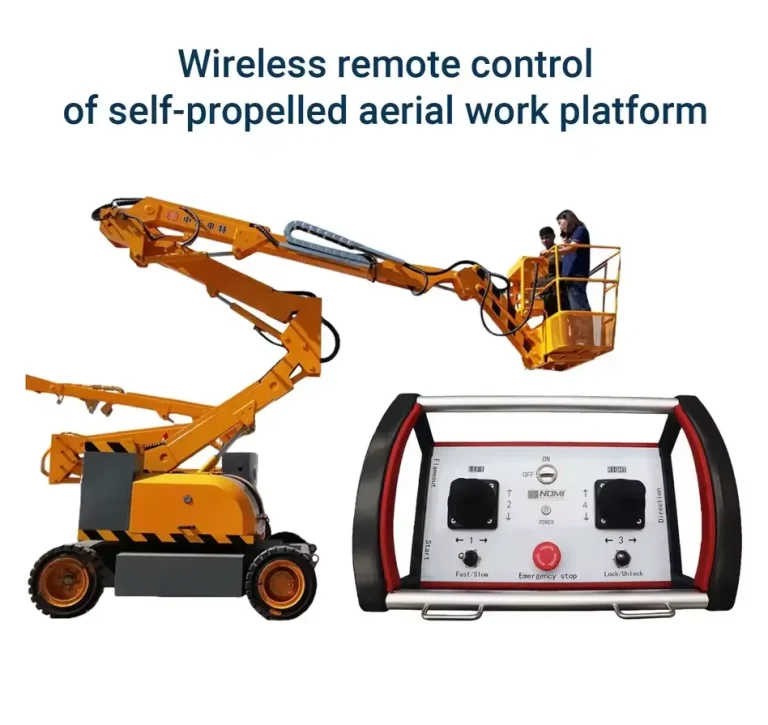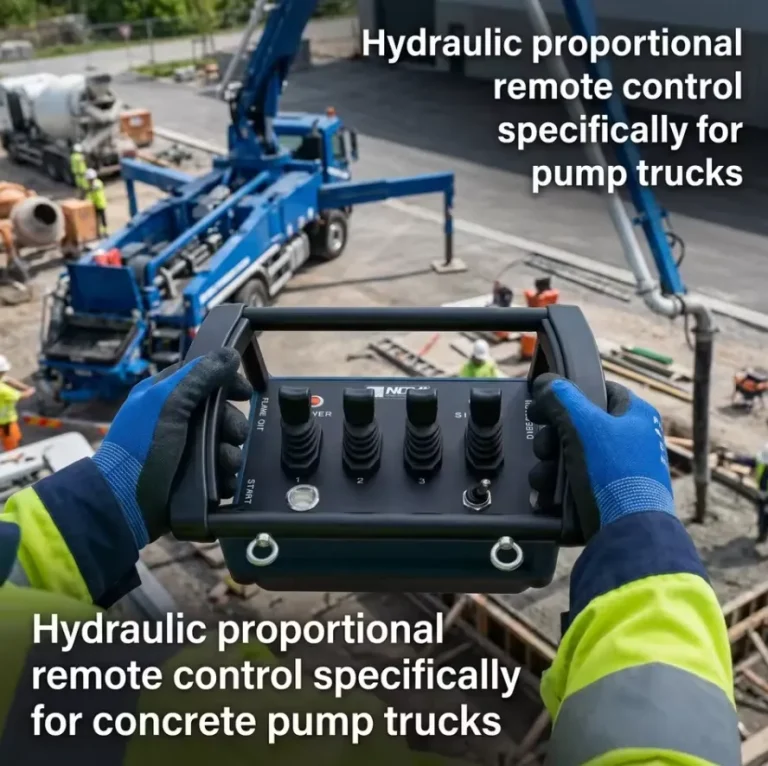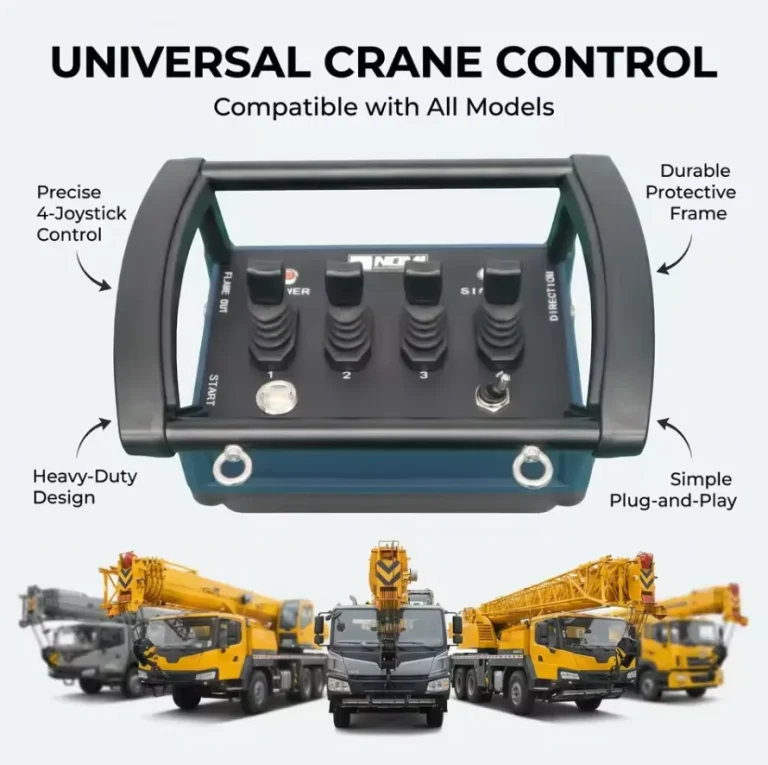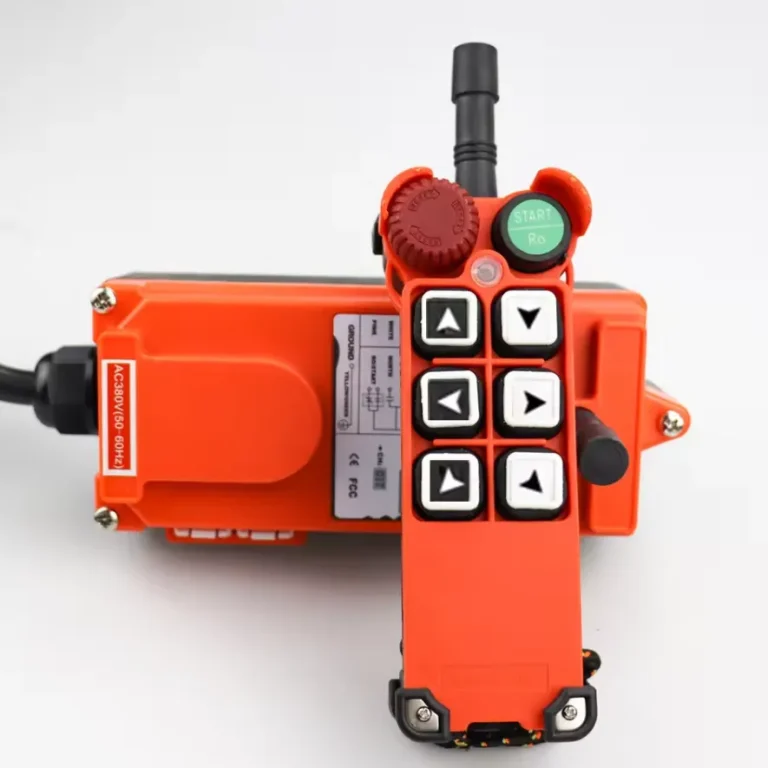

3/4 telli 12V hidrolik pompalar için damperli römork kablosuz uzaktan kumanda sistemleri, herhangi bir römork operatörünün yapabileceği en pratik iyileştirmedir — 150 feet mesafeye kadar tam hidrolik kontrolü korurken, ekipmanınıza fiziksel olarak bağlı kalma ihtiyacını ortadan kaldırır. Nomi olarak, ticari ve tarımsal uygulamalarda bu sistemlerin düzinelercesini test ettik, karşılaştırdık ve kurduk; bu kılavuz, 12V damperli römork pompanız için doğru kablosuz kontrol cihazını seçme, kablolama, sorun giderme ve bakım konusunda öğrendiğimiz her şeyi yansıtmaktadır. İster tek dingilli bir peyzaj römorku ister ağır hizmet tipi ticari damperli bir römork işletiyor olun, aşağıdaki bilgiler bir kuruş bile harcamadan önce size belirleyici bir avantaj sağlayacaktır.
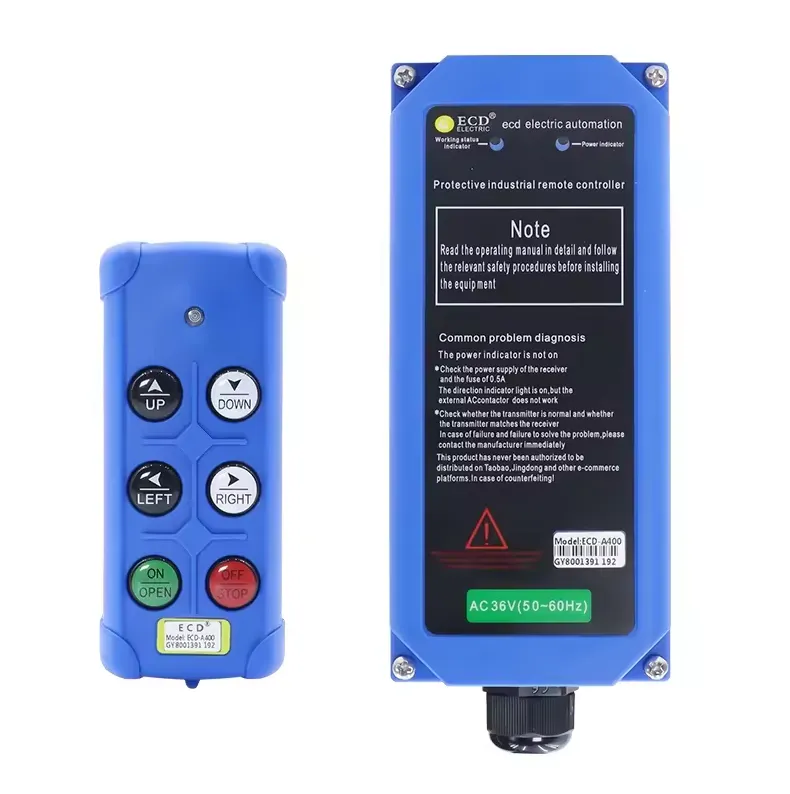
| işlev | Su Geçirmez, Gizlilik, Darbeye Dayanıklı, Tek Kullanımlık, Otomatik | malzeme | Plastik ve Silikon |
| özel kalıp | Evet | düğme | 2 adet tek hız düğmesi |
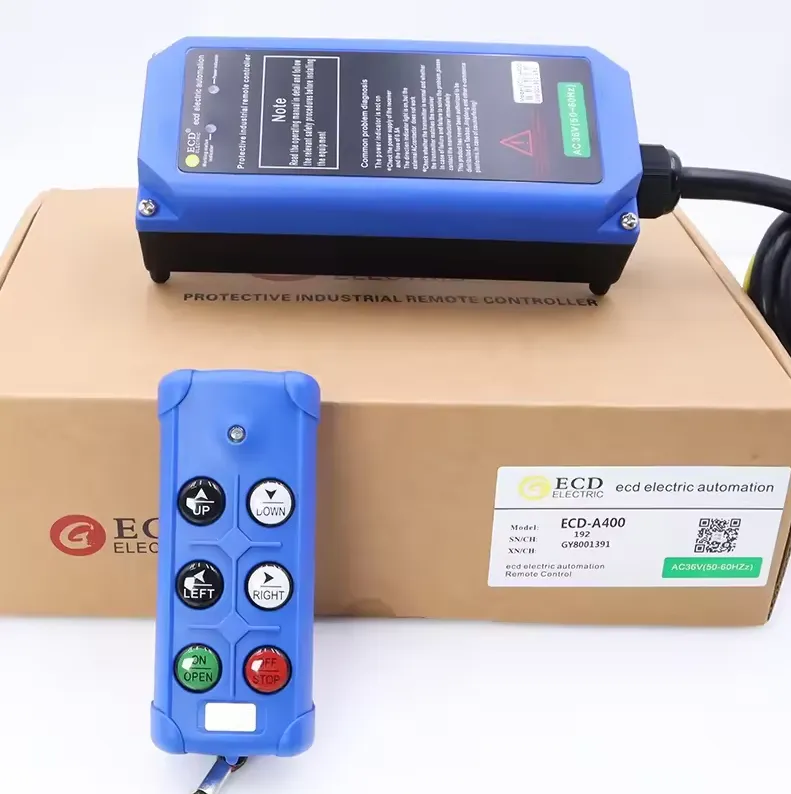
| menşe yeri | Henan, Çin | model numarası | ECD-A400 |
| marka adı | ECD | OEM / ODM | Mevcut |
| Sıcaklık aralığı | -40 ℃~+85 ℃ | Başvuru | Endüstriyel Ekipmanlar |
| Pil | 2 adet AA pil (dahil değildir) | Sertifikasyon | CE, FCC, ROHS, ISO 9100 |
| Çalışma Gerilimi | AC/DC 12–65 V 65–440 V | Kabuk Malzemesi | PA66 + yüksek kaliteli elyaf |
| Kontrol mesafesi | 225M/Özelleştirilebilir | Logo | Özel Logo Kabul Et |
| Frekans | 315 MHz/433 MHz/868 MHz/915 MHz (isteğe bağlı) |
| Satış Birimleri | Tek ürün | Tekli paket boyutu | 30×21×10 cm |
| Tekli brüt ağırlık | 1.500 kg |
Damperli Römork Kablosuz Uzaktan Kumanda Sistemi Nedir?
Bir damperli römork kablosuz uzaktan kumanda sistemi, operatörün römork şasisine monte edilmiş düğmelere fiziksel olarak basmadan hidrolik damperli kasayı kaldırmasına, indirmesine ve durdurmasına olanak tanıyan bir elektronik kittir. Bu tür sistemlerin temelini üç parça oluşturur: bir el tipi RF vericisi, hidrolik güç ünitesinin yakınına monte edilmiş bir alıcı modülü ve pompa motoruna yüksek akımlı 12V gücü aktaran bir röle veya kontaktör grubu.
Bu sistemlerle ilk kez, kablolu kumanda kolu bağlantı kutusunda sürekli kopup durduğu zamanlarda — genellikle en kötü zamanda, malç teslimatının tam ortasında — bir peyzaj işleri damperli römork filosunda karşılaşmıştık. Kablosuz bir sisteme geçmek, fiziksel güvenilirlik sorununu anında çözdü ve beklenmedik bir avantaj sağladı: Operatörler, kontrol düğmelerinin yakınında, römorkun önünde durmak yerine, malzeme akışını izlemek için römorkun arkasına geçebiliyorlardı.
2026 yılında, kablosuz uzaktan kumanda kategorisi önemli ölçüde olgunlaşmıştır. Sistemler artık orantılı hız kontrolünü, IP67’ye kadar su geçirmezlik derecesini, parazite dayanıklı frekans atlamalı yayılmalı spektrum (FHSS) iletişimini ve operatörün vericiyi düşürmesi veya kapsama alanı dışına çıkması durumunda gücü anında kesen entegre acil durdurma devrelerini rutin olarak desteklemektedir.
Kablosuz Teknoloji Neden Artık Sektör Standardı Haline Geldi?
Geleneksel kablolu sarkıt kumandalar, düşük bütçeli projelerde hâlâ kullanılabilir olsa da, profesyonel römork sektörü çeşitli nedenlerle büyük ölçüde kablosuz çalışmaya geçmiştir:
- Operatör güvenliği: Boşaltma sırasında römorkun arkasına yakın durmak daha güvenlidir ve yük dağılımını daha iyi görebilmenizi sağlar.
- Mekanik aşınmanın azalması: Konektörde bükülme, aşınma veya kopma riski olan sarmal kablo yoktur.
- Çok işlevli kontrol: Modern vericiler, aynı frekans kanalında sadece yukarı/aşağı hareketlerini değil, aynı zamanda kapı kilitlerini, brandalı motorları ve çekme kolu krikolarını da kontrol eder.
- Kurulum hızı: Bir kablosuz kit, temel el aletleri kullanılarak iki saatten az bir sürede kurulabilir.
3 Telli ve 4 Telli 12V Hidrolik Pompalar Nasıl Çalışır?
Herhangi bir kablosuz uzaktan kumanda kiti satın almadan önce, 3 telli ve 4 telli pompa konfigürasyonları arasındaki farkı anlamak çok önemlidir. Yanlış sayıda röle çıkışı kurarsanız, ya pompayı durdurma işlevi çalışmaz ya da pompa sürekli çalışır hale gelir.
3 Telli 12 V Hidrolik Pompa Yapılandırması
3 telli bir pompada genellikle aşağıdaki devre şeması kullanılır:
| Tel | İşlev | Tipik Renk |
|---|---|---|
| 1 numaralı kablo | Akünün artı kutbu motora (yukarı doğru) | Kırmızı |
| Tel 2 | Akünün artı kutbu ile solenoid (alt) arasında | Siyah mı, mavi mi? |
| Tel 3 | Ortak nokta | Yeşil mi, Beyaz mı? |
3 telli bir kurulumda, motor ve solenoid valf tek bir topraklama hattını paylaşır. Yükseltme komutu verildiğinde, akım motordan geçer. İndirme komutu verildiğinde ise akım solenoid valfi çalıştırır; bu valf açılır ve hidrolik sıvısının yerçekimi veya yük basıncı altında hazneye geri dönmesini sağlar. Çoğu tek etkili silindir sisteminde, indirme işlemi sırasında motor çalışmaz.
Bu konfigürasyon, tek etkili silindirler kullanan 5 ton ve altındaki daha küçük römorklarda son derece yaygındır. Bu şekilde kablolanmış olarak en sık karşılaşacağınız pompa markaları arasında Buyers Products SAM, Princess Auto ürünleri ve kendi markaları altında satılan Çin menşeli birçok ürün bulunmaktadır.
4 Telli 12 V Hidrolik Pompa Yapılandırması
4 telli bir pompada, aktif kapatma işlemi için motora ait ayrı bir devre veya ikinci bir solenoid valf eklenir:
| Tel | İşlev | Tipik Renk |
|---|---|---|
| 1 numaralı kablo | Motor pozitif (yükseltme) | Kırmızı |
| Tel 2 | Alt solenoidin artı ucu | Mavi |
| Tel 3 | İkinci solenoid veya aktif kapatma | Sarı veya Turuncu |
| Tel 4 | Ortak nokta | Siyah |
Dört telli konfigürasyonlar, silindiri kontrol etmek için pompanın akışkanı her iki yönde de aktif olarak itmesi gereken çift etkili silindirlerde kullanılır. Bu, büyük ticari römorklarda, kancalı yükleme kasalarında ve çöp sıkıştırıcılarında standart bir özelliktir. Bu nedenle kablosuz uzaktan kumanda, en az üç anahtarlamalı çıkış sağlamalıdır: kaldırma, indirme ve topraklama (veya vana tipine bağlı olarak iki pozitif çıkış artı bir solenoid çıkışı).
Tek Etkili ve Çift Etkili Silindirlerin Karşılaştırması: Bir Bakışta
| Özellik | Tek Etkili Silindir | Çift Etkili Silindir |
|---|---|---|
| Tipik tel sayısı | 3 tel | 4 tel |
| Düşürme yöntemi | Yerçekimi/yük | Hidrolik tahrikli |
| Pompanın karmaşıklığı | Alt | Daha yüksek |
| Genel başvuru | Hafif hizmet tipi römorklar | Ağır ticari, kancalı yükleyici |
| Gerekli uzaktan röle sayısı | 2 röle | En az 3 röle |
Kablosuz Uzaktan Kumanda Setinin Temel Bileşenleri Nelerdir?
Nomi olarak, her bir damperli römork kablosuz uzaktan kumanda setini temel bileşenlerine ayırıyoruz; böylece operatörler ne satın aldıklarını ve bir arıza durumunda hangi parçayı değiştirmeleri gerektiğini bilirler.
RF Vericisi (El Tipi Anahtarlık veya Tabanca Tutamaklı Ünite)
Verici, operatörün kullandığı el tipi cihazdır. 2026 yılında piyasada bulunan kaliteli vericiler, ya 433 MHz ya da 315 MHz frekansında çalışır; 433 MHz frekansı, hücresel bantlardan kaynaklanan parazitin daha az olması nedeniyle Kuzey Amerika ve Avrupa pazarlarında daha yaygındır. Kontrol edilmesi gereken temel verici özellikleri:
- Frekans: 433,92 MHz (en yaygın), 315 MHz (bazı Asya pazarı modelleri)
- Modülasyon: FHSS veya sabit kanallı AM/FM
- Düğme sayısı: 2 düğmeli (yukarı/aşağı), 4 düğmeli (yukarı/aşağı/dur/aksesuar) veya çok işlevli römorklar için 6 düğmeli.
- Pil türü: Cihaza bağlı olarak 12V A23, CR2032 düğme pil veya AA pil.
- IP sınıfı: Dış mekan kullanımı için en az IP54; tercihen IP65 veya IP67.
- Çalışma aralığı: Genellikle 50 ila 150 feet; bazı uzun menzilli cihazlar 300 feet menzile sahip olduğunu iddia ediyor.
Alıcı/Kontrol Kutusu
Alıcı, RF sinyalini kodunu çözer ve röle çıkışlarını tetikler. Römork şasisine, genellikle hidrolik güç ünitesinin yakınına monte edilir. Şunlara dikkat edin:
- Röle çıkış sayısı: Kablo konfigürasyonunuzla uyumlu olmalıdır (3 telli sistem için 2 çıkış, 4 telli sistem için 3 çıkış)
- Rölenin nominal akım değeri: En az 30 A; ağır hizmet uygulamaları için 40 A veya 60 A.
- Su geçirmez muhafaza: IP65 veya daha yüksek koruma derecesine sahip ABS veya alüminyum gövde.
- Otomatik kapanma zamanlayıcısı: Verici sinyali kesildiğinde aşırı hızlanmayı önler.
- Eşleştirme yöntemi: Değişken kod mu, sabit kod mu; değişken kod daha güvenlidir.
Röle Grubu
Röle grubu, sistemin yüksek akım anahtarlama işlevini yerine getiren temel bileşendir. Birçok kitte, röleler alıcı kutusuna entegre edilmiştir. Diğer kitte ise, alıcının arkasına bağlanmış ayrı 30A veya 40A otomotiv röleleri kullanılır. Her zaman röle kontak değerlerini kontrol etmenizi öneririz — 30A'lık bir pompa motorunu kontrol eden 20A'lık bir röle, birkaç ay içinde arızalanacaktır.
Kablo Demeti
Uygun bir kit, önceden uçlandırılmış kablo demeti uçlarını, akü bağlantısı için halka terminalleri ve genellikle akünün artı kutbu besleme hattı üzerinde yer alan bir bıçak sigorta tutucusunu içerir. Kablo demetinde motor devreleri için en az 10 AWG veya 12 AWG, sinyal/solenoid devreleri için ise 16 AWG kalınlığında kablo kullanılmalıdır.
Aksesuarlar ve İsteğe Bağlı Ek Parçalar
| Aksesuar | İşlev | Gerektiğinde |
|---|---|---|
| Acil durdurma düğmesi (kablolu) | RF arızası durumunda yedekleme durdurulur | Tüm profesyonel kurulumlar |
| Yedek verici | Yedeklilik | Ticari filo işletmeciliği |
| LED durum göstergesi | Alıcının güç durumunu/sinyalini doğrular | Yüksek gürültülü RF ortamlarında kullanışlıdır |
| Montaj braketi | Güvenli alıcı muhafazası | Tüm kalıcı kurulumlar |
| Tarp motor röle modülü | Aynı kite brandanın kontrolünü ekler | Çok işlevli römork yapımları |
Damperli römorkunuz için hangi kablosuz uzaktan kumanda sistemi en uygunudur?
Doğru sistemi seçmek dört değişkene bağlıdır: pompanızın kablo sayısı, akım çekişiniz, çalışma aralığı gereksiniminiz ve römorkunuzun maruz kaldığı çevre koşulları.
Seçim Kriterleri Matrisi
| Kriterler | Başlangıç Seviyesi Seti | Orta Sınıf Set | Profesyonel Set |
|---|---|---|---|
| Fiyat aralığı (ABD doları) | $25 – $60 | $65 – $130 | $140 ila $300+ |
| Röle nominal değeri | 20 A ila 30 A | 30A ila 40A | 40 A ila 60 A |
| IP sınıfı | IP54 | IP65 | IP67 |
| Kablo konfigürasyonu | Yalnızca 3 telli | 3 veya 4 telli | 3, 4 veya 5 telli |
| Çalışma aralığı | 50 ft | 100 ft | 150 ila 300 ft |
| Frekans türü | Düzeltilmiş kod | Sabit veya FHSS | FHSS değişken kod |
| Sertifikalar | Yok | FCC/CE | FCC, CE, RoHS |
| Garanti | 90 gün | 1 yıl | 2 yıl |
2026 Yılında Popüler Markalar ve Modeller
Buyers Products (SAM Superstore): Buyers Products, hidrolik güç üniteleri için özel olarak tasarlanmış OEM kalitesinde kablosuz kitler sunmaktadır. BC200 serisi, 30A röle çıkışlarıyla hem 3 telli hem de 4 telli konfigürasyonları desteklemektedir. Menzil 100 feet olarak belirtilmiştir.
Dumper Dogg / Snoway: Bu markalar, kamyonet kasası çöp haznesi pazarına yöneliktir. Kablosuz kitleri kompakt yapıdadır ve 12V’luk kasası altına monte edilen ünitelerle kolayca eşleştirilebilir.
LKT (Çinli OEM): Amazon, eBay ve AliExpress üzerinden temin edilebilen bu cihazların fiyatları $25 ile $50 arasında değişmekte olup, ara sıra kullanılan römorklar için yeterli performans göstermektedir. Röle değerleri genellikle abartılı olarak belirtilmektedir; gerçek koşullarda yapılan testler, bu değerlerin 20% oranında düşürülmesi gerektiğini göstermektedir.
Nomi ile Uyumlu Evrensel Kitler: Nomi olarak, Kuzey Amerika’daki en yaygın damperli römork pompa konfigürasyonlarıyla uyumluluğu önceden doğrulanmış, evrensel 12V kablosuz uzaktan kumanda kitlerinden oluşan bir ürün yelpazesi hazırladık. Kitlerimizde önceden etiketlenmiş kablo demetleri, fotoğraflı kurulum kılavuzları ve 12 aylık garanti bulunmaktadır.
Kablosuz bir uzaktan kumandayı 3 telli veya 4 telli bir 12V pompaya nasıl bağlarsınız?
Kurulum hatalarının çoğu, kablolamanın doğru yapılmamasından kaynaklanır. En sık yapılan hataları da dahil ederek, her iki yapılandırmayı da adım adım inceleyeceğiz.
Gerekli Aletler ve Malzemeler
- Tel soyma aletleri (10 AWG ila 16 AWG arası)
- Sıkma aleti ve çeşitli halka/uçlu terminaller
- Multimetre (gerilim ve devre açıklığı)
- Isıyla daralan makaron
- Elektrik bandı veya kendiliğinden yapışan silikon bant
- Kablo bağları ve montaj vidaları
- 12 V test lambası (isteğe bağlı, ancak kullanışlıdır)
Adım Adım: 3 Telli Pompa Kablosuz Uzaktan Kumandasının Kablolaması
1. Adım: Römork aküsünü çıkarın
Her zaman aküyü sökerek başlayın. 12 V’luk bir hidrolik pompa, çalıştırma sırasında 150 A veya daha fazla akım çekebilir; kazara meydana gelen bir kısa devre yangın tehlikesi oluşturur.
2. Adım: Mevcut pompa kablolarını belirleyin
Multimetreyi DC gerilim modunda kullanın. Aküyü geçici olarak bağladıktan sonra, mevcut anahtardaki (varsa) “yükseltme” işlevine basıldığında hangi kabloda +12V değerinin ölçüldüğünü belirleyin. Her bir kabloyu bant etiketleriyle işaretleyin.
3. Adım: Alıcı muhafazasını monte edin
Pompa ünitesinden en fazla 12 inç uzaklıkta, römork şasisinde bir yer seçin. Römork tabanına temas edeceği veya durgun suya batacağı alanlardan kaçının. Birlikte verilen montaj braketini ve paslanmaz çelik bağlantı elemanlarını kullanın.
4. Adım: Alıcının güç kaynağını bağlayın
Alıcının güç giriş terminalinden, sıralı bir 30A bıçak sigortası üzerinden akünün artı kutbuna 12 AWG kırmızı kablo çekin. Alıcının topraklama terminalinden akünün eksi kutbuna 12 AWG siyah kablo çekin.
5. Adım: Röle çıkışlarını pompa kablolarına bağlayın
- Alıcı Çıkışı 1 (yükselme) → Pompa motorunun pozitif kablosu
- Alıcı Çıkışı 2 (alt) → Pompa solenoid valfi kablosu
- Alıcı toprak çıkışı → Pompa ortak toprak kablosu
6. Adım: Vericiyi eşleştirin
Çoğu alıcıda bir öğrenme/eşleştirme düğmesi bulunur. LED yanıp sönene kadar bu düğmeye basın, ardından atamak istediğiniz verici düğmesine basın. LED, sürekli yanıp sönerek eşleştirmenin gerçekleştiğini teyit edecektir.
7. Adım: Kabloları sabitlemeden önce test edin
Aküyü yeniden bağlayın. Önce kaldırma işlevini test edin — pompa motoru çalışmalı ve silindir uzamalıdır. İndirme işlevini test edin — silindir yük altında geri çekilmelidir. Düğmeyi bıraktığınızda tüm hareketlerin derhal durduğunu kontrol edin.
8. Adım: Sabitleyin ve hava koşullarına dayanıklı hale getirin
Kablo güzergâhları boyunca her 6 inç aralıklarla kablo bağları kullanın. Açıkta kalan tüm konektör bağlantı yerlerine kendiliğinden eriyen silikon bant uygulayın. Alıcı muhafazasını kapatın ve sızdırmaz hale getirin.
Adım Adım: 4 Telli Pompa Kablosuz Uzaktan Kumandasının Kablolaması
4 telli işlem, yukarıdakine benzer, ancak bir adet ek çıkış rölesi içerir:
| Alıcı Çıkışı | Bağlantılı Olduğu |
|---|---|
| Çıktı 1 (Yükseltme) | Motor pozitif — yukarı yönü |
| Çıkış 2 (Alt) | Motor pozitif — aşağı yön (veya solenoid B bobini) |
| Çıkış 3 (Solenoid) | Yön valfi solenoidi pozitif |
| Zemin | Ortak pompa topraklaması |
Çift etkili sistemlerde, en önemli nokta Çıkış 1 ve Çıkış 2’nin aynı anda devreye girmemesini sağlamaktır. Kaliteli alıcılar, bunu önleyen elektronik kilitleme mekanizmasına sahiptir. Kiti kilitleme mekanizması içermiyorsa, her devreye bir adet normalde kapalı röle ekleyin; böylece bir röle enerjilendiğinde diğer devreyi fiziksel olarak keser.
En Sık Görülen Kablolama Hataları Nelerdir ve Bunlar Nasıl Giderilir?
Sektör genelinde yüzlerce kurulum desteği talebini inceledikten sonra, tekrar tekrar ortaya çıkan hataları tespit ettik.
Hata 1: Yukarı ve Aşağı İşlevlerinin Yerleri Tersine Dönmüş
Belirti: Yükseltme düğmesine basıldığında yatak alçalır; alçaltma düğmesine basıldığında ise yükselir.
Düzelt: Alıcı terminallerindeki Çıkış 1 ve Çıkış 2 bağlantılarını değiştirin. Pompa kablolarının yeniden bağlanmasına gerek yoktur.
Hata 2: Pompa Çalışıyor Ancak Durmuyor
Belirti: Verici düğmesi bırakıldıktan sonra pompa motoru çalışmaya devam eder.
Düzelt: Aşırı akım nedeniyle röle kontakları kaynaklanarak kapalı kalmıştır. Röleyi, uygun nominal değere sahip bir üniteyle değiştirin. Ayrıca, pompanın rölenin nominal değerinden daha fazla akım çekip çekmediğini kontrol edin — normal çalışma sırasında bir pens ampermetre ile motor akımını ölçün.
Hata 3: Vericiden Yanıt Gelmiyor
Belirti: Alıcıdaki LED, cihazın açık olduğunu gösteriyor, ancak verici çalışmıyor.
Sırayı düzelt:
- Öncelikle vericinin pilini değiştirin (en yaygın neden)
- Öğrenme düğmesi dizisini kullanarak vericiyi yeniden eşleştirin
- RF paraziti olup olmadığını kontrol edin — büyük metal yapılardan uzaklaşın ve işlemi tekrar deneyin
- Vericinin frekansının alıcıyla uyumlu olup olmadığını kontrol edin (315 ve 433 MHz)
Hata 4: Alıcının Aşırı Isınması
Belirti: Alıcı muhafazası çalışma sırasında ısınır; yanık plastik kokusu gelebilir.
Düzelt: Alıcı, dahili röle kontaklarından doğrudan çok fazla akım geçiriyor. Kablolamayı kontrol edin — motorun artı ucu, herhangi bir sinyal kablosundan geçmeden doğrudan röle çıkışına bağlanmalıdır. Kablolama doğruysa, daha yüksek nominal değerli röle kontaklarına sahip bir alıcıya geçin veya motorun gerçek akım değerine uygun bir harici röle ekleyin.
Hata 5: Aralıklı Çalışma
Belirti: Uzaktan kumanda çoğu zaman 80% olarak çalışır, ancak ara sıra yanıt vermez.
Düzelt: Alıcı terminallerinde gevşek kıvrımlı bağlantılar olup olmadığını kontrol edin. Ayrıca, alıcı anten kablosunun motor güç kablolarıyla bir arada toplanmadığından emin olun — RF sinyali, yüksek akımlı kabloların manyetik alanları tarafından bastırılabilir. Anten kablosunu güç kablolarından en az 2 inç uzak tutun.
Bir damperli römorkun kablosuz uzaktan kumandası ne kadar uzağa sinyal gönderebilir?
Belirtilen menzil ile gerçek kullanım koşullarındaki menzil arasında önemli farklar bulunmaktadır. Saha testlerinde gözlemlediklerimiz şunlardır:
| Çevre | Başlangıç Seti (100 ft nominal) | Orta Menzilli Set (150 ft nominal menzil) | Pro Kit (300 ft nominal menzil) |
|---|---|---|---|
| Açık alan, engel yok | 80 ila 90 ft | 130 ila 145 ft | 260 ila 290 ft |
| Metal binaların yakınında | 40 ila 60 ft | 80 ila 110 ft | 150 ila 200 ft |
| Depo içi (beton duvarlar) | 20 ila 40 ft | 50 ila 80 ft | 90 ila 130 ft |
| Elektrik panolarının veya jeneratörlerin yakınında | 15 ila 30 ft | 40 ila 70 ft | 80 ila 120 ft |
Alıcı üzerindeki antenin yerleştirilmesi, sizin kontrolünüz altındaki en önemli faktördür. Standart anten teorisine göre, alıcı muhafazasını anten kablosu dikey olarak uzanacak şekilde monte etmek (çok yönlü polarizasyon), yatay anten yönlendirmesine kıyasla 15% ile 25% arasında daha iyi bir etkin menzil sağlar.
Kablosuz Menzili En Üst Düzeye Çıkarmak İçin İpuçları
- Alıcıyı, römork şasisine mümkün olduğunca yükseğe monte edin.
- Anten kablosunu römorkun çelik iskeletinden en az bir inç uzakta tutun.
- Anten kablosunu güç kablolarıyla paralel olarak döşemeyin.
- Görünürdeki performansından bağımsız olarak, her sezonun başında vericinin pilini değiştirin.
- Yüksek RF yoğunluğuna sahip alanlarda (baz istasyonları, Wi-Fi kurulumları veya endüstriyel ekipmanların yakınında) çalışıyorsanız, tıkanmış kanalları otomatik olarak önleyen bir FHSS sistemi seçin.
Kaliteli bir uzaktan kumanda sistemi hangi güvenlik özelliklerini içermelidir?
Hidrolik uzaktan kumanda sistemlerinde güvenlik, ikincil bir konu değildir. Beklenmedik bir şekilde yükselen, komut üzerine durmayan veya kontrolsüz bir şekilde alçalan bir damperli kasası, ölümcül bir tehlike oluşturur. Önerdiğimiz her sistemi aşağıdaki güvenlik kriterlerine göre değerlendiriyoruz.
Taviz Verilemez Güvenlik Özellikleri
1. Otomatik Zaman Aşımı/Otomatik Kapanma
Alıcı, belirlenen bir süre içinde (genellikle 30 ila 90 saniye) herhangi bir komut almazsa tüm çıkışların gücünü kesmelidir. Bu, vericinin yanlışlıkla etkinleştirilmesi veya güç kaynağına bağlı bırakılması durumunda kontrol dışı durumların ortaya çıkmasını önler.
2. Acil Durdurma Düğmesi
Römork üzerine monte edilmiş kablolu bir acil durdurma (E-stop) düğmesi, RF iletişimi kesilse bile çalışan fiziksel bir yedekleme sistemi sağlar. Bu, ticari damperli kamyon uygulamalarında zorunludur.
3. Sinyal Kaybı Algılama
Daha kaliteli alıcılar, pil arızası, kapsama alanı dışına çıkma veya vericinin hasar görmesi gibi nedenlerle vericiyle iletişim kesildiğinde bunu algılar ve son komut durumunu korumak yerine tüm röle çıkışlarını derhal keser.
4. Röle Kilitleme Sistemi
Yükseltme ve alçaltma röleleri, her ikisinin de aynı anda devreye girmemesi için elektriksel olarak birbirine bağlı olmalıdır. Aynı anda devreye girmeleri, pompa motorunun terminalleri arasında tam kısa devreye neden olur.
5. Hava koşullarına dayanıklılık
Su girişine izin veren bir kontrol sistemi, öngörülemez bir şekilde arızalanacaktır. Hidrolik kontrol sistemlerindeki aralıklı arızalar, operatörün sistemi nasıl davranacağını tahmin edememesi nedeniyle tam arızalardan daha tehlikelidir. IP65 asgari standarttır; IP67 tercih edilir.
6. Görsel ve Sesli Göstergeler
Alıcının devreye alındığını ve vericinin komutlarına yanıt verdiğini gösteren bir LED veya sesli uyarı, operatörün sistemin aktif olmadığı halde aktif olduğunu varsaymasını önler.
Dökme Römork Kontrolleriyle İlgili OSHA ve Sektör Güvenlik Standartları
| Standart | Uygulanabilir | Temel Gereklilik |
|---|---|---|
| OSHA 29 CFR 1910.217 | Güç presinin kumandaları | Uzaktan kumandalarda pozitif durdurma mekanizması bulunmalıdır |
| ANSI B30.17 | Mobil hidrolik ekipmanlar | Operatörün yükü net bir şekilde görebilmesi gerekir |
| SAE J1939 | Araçlardaki elektronik kontrol sistemleri | Sinyal bütünlüğü gereklilikleri |
| FCC Bölüm 15 | ABD’deki RF vericileri | 433/315 MHz frekansları için ruhsatsız kullanım kuralları |
Yanıt Vermeyen Bir Kablosuz Uzaktan Kumandanın Sorununu Nasıl Giderirsiniz?
Sistematik bir sorun giderme süreci, saatlerce sürecek bir sıkıntıdan kurtarır. Her destek çağrısında bu sırayı izliyoruz.
Sorun Giderme Akış Şeması
Verici düğmesine basıldı → Yanıt yok
         |
         ↓
Alıcının güç LED’ini kontrol edin — Yanıyor mu?
    HAYIR → Akü bağlantısını ve sigortayı kontrol edin
    EVET ↓
Vericinin pilini kontrol edin — 10V’nin üzerinde mi?
    HAYIR → Pili değiştirin
    EVET ↓
Vericiyi alıcıya yeniden eşleştirin
    Hâlâ yanıt yok ↓
Alıcıyı manuel olarak test edin (köprü çıkış terminallerini atlama kablosuyla birbirine bağlayın)
    Pompa tepki veriyor → Verici arızalı, değiştirin
    Pompa tepki vermiyor → Rölenin devamlılığını ve pompa kablolarını kontrol edin
Önemli Test Noktalarında Gerilim Kontroller
| Test Noktası | Önerilen Okuma Listesi | Eğer farklıysa |
|---|---|---|
| Alıcının güç girişi | 12,0 – 12,8 V DC | Sigortayı ve akü bağlantısını kontrol edin |
| Alıcı çıkışı (yükseltme komutu etkin) | 12,0 – 12,8 V DC | Röle devreye girmiyor — röle bobinini kontrol edin |
| Pompa motoru terminalleri (aktif yükseltme) | 11,5 ila 12,5 V DC | Gerilim düşüşü — kablo kalınlığını ve bağlantıları kontrol edin |
| Solenoid valf terminalleri (alt taraf aktif) | 11,5 ila 12,5 V DC | Yukarıdakiyle aynı |
| Verici pili | 11,0 – 12,6 V DC (12 V A23) | 10 V’nin altında — derhal değiştirin |
Hangi bakım uygulamaları uzaktan sisteminizin ömrünü uzatır?
Bir damperli römork için tasarlanmış kablosuz uzaktan kumanda sistemi, sürekli olarak titreşime, neme, toza, sıcaklık değişimlerine ve ara sıra meydana gelen fiziksel darbelere maruz kalmaktadır. Basit bir bakım rutininin, sistemin tipik kullanım ömrünü iki katına çıkardığını tespit ettik.
Mevsimsel Bakım Kontrol Listesi
Her Mevsim (İlkbahar Başlangıcı):
- Vericinin pilini, mevcut şarj seviyesine bakılmaksızın değiştirin.
- Alıcı muhafazasının contalarında çatlak veya sıkıştırma kalıntısı olup olmadığını kontrol edin.
- Tüm terminal bağlantılarının sıkı olduğundan emin olun — halka terminal vidalarını üretici spesifikasyonlarına göre yeniden sıkın.
- Ulaşılabiliyorsa, röle kontaklarını elektrikli kontak temizleyicisiyle temizleyin.
- Tam işlev döngüsünü test edin: kaldırma, bekletme, indirme, acil durdurma.
Aktif kullanım sırasında her 3 ayda bir:
- Kablo demetinde römork şasisine sürtünme izleri olup olmadığını gözle kontrol edin.
- Anten kablosunda bükülme veya kopma olup olmadığını kontrol edin.
- Test çalışma menzilini açık bir alanda kontrol edin — menzilin azalması, vericinin pilinin zayıfladığını veya anten arızasının baş gösterdiğini gösterir.
Yıllık:
- Korozyon görülüyorsa, gömme sigorta tutucusunu değiştirin.
- Röle kontaklarında çukurlaşma veya renk değişikliği olup olmadığını kontrol edin (aşırı akım olaylarından kaynaklanan ark oluşumunun belirtisi)
- Alıcının güncelleme özelliği varsa, donanım yazılımı veya yazılım sürümünü kontrol edin (IoT bağlantılı akıllı sistemler için geçerlidir)
Depolama Konusunda En İyi Uygulamalar
Bir damperli römork kış mevsiminde veya uzun süreler boyunca depolandığında:
- Sızıntıdan kaynaklanan hasarı önlemek için vericinin pillerini çıkarın.
- Açıkta kalan tüm konektör pimlerine dielektrik gres sürün.
- Parazitik akım kaybını önlemek için alıcının akü bağlantısını kesin.
- Vericiyi, doğrudan UV ışınlarına maruz kalmayacak kuru bir yerde saklayın (UV ışınları, ABS plastik anahtarlık gövdesini bozar)
En İyi Kablosuz Uzaktan Kumanda Ürünlerinin Karşılaştırması: Teknik Özellik Tablosu
Aşağıdaki karşılaştırma, 2026 yılının ortası itibarıyla piyasada bulunan ve incelenen ürünleri yansıtmaktadır. Fiyatlar değişebilir; güncel fiyatları kaynakta doğrulayınız.
| Ürün | Kablo Yapılandırması | Röle Değerleri | IP Sınıfı | Aralık | Frekans | Fiyat (ABD doları) | En Uygun Olan |
|---|---|---|---|---|---|---|---|
| Buyers Products BC200 | 3 ve 4 telli | 30A | IP65 | 100 ft | 433 MHz | $89 | Orta hizmet tipi römorklar |
| LKT-200 Evrensel Kit | 3 telli | 20 A (30 A olarak belirtilmiştir) | IP54 | 80 ft | 433 MHz | $32 | Hafif hizmet tipi, uygun fiyatlı |
| Magnetek Flex 8 | 3, 4, 5 telli | 60A | IP67 | 300 ft | FHSS | $265 | Ticari/filo |
| HBC Radiomatic Eco | 3 ve 4 telli | 40A | IP67 | 200 ft | FHSS | $195 | Profesyonel kullanım |
| Nomi Universal 3W Kiti | 3 telli | 30A | IP65 | 120 ft | 433 MHz | $68 | Peyzaj römorkları |
| Nomi Universal 4W Kiti | 4 telli | 40A | IP65 | 150 ft | 433 MHz | $98 | Ticari römorklar |
| Dumper Dogg DD-RC1 | 3 telli | 25A | IP54 | 60 ft | 315 MHz | $55 | Kamyonet ekleri |
| Palfinger CAN-Remote | 4 ve 5 telli | 50A | IP67 | 250 ft | FHSS | $240 | Kanca kaldırmalı, vinçli kasalar |
Tüm performans değerleri üretici tarafından belirtilen rakamlardır; gerçek kullanım koşullarında menzil genellikle 15% ile 30% arasında daha düşüktür.
Sık Sorulan Sorular
1: Mevcut 12V boşaltma römorkumdaki pompayla herhangi bir kablosuz uzaktan kumanda setini kullanabilir miyim?
Kısa cevap: Yalnızca kit, pompanızın kablo sayısı ve motor akım çekişi ile uyumluysa. Çoğu 12V boşaltma römorku pompası, 3 telli veya 4 telli konfigürasyonlara sahiptir ve kablosuz kitin, buna uygun doğru sayıda röle çıkışına sahip olması gerekir. Tel sayısının ötesinde, rölenin amper değeri, pompanın gerçek çalıştırma akımını karşılamalı veya aşmalıdır; bu akım, çalışma akımının 2 ila 3 katı olabilir. Çalışma akımı 15A olarak derecelendirilmiş bir pompa, çalıştırma sırasında 35A veya daha fazla akım çekebilir. Böyle bir pompaya 20A'lık bir röle kiti takılması, röle kontaklarının birkaç hafta içinde kaynaklanarak kapanmasına neden olur. Bir kit seçmeden önce daima pompanın kilitli rotor akımını (LRA) ölçün veya kontrol edin ve bu değerin en az 25% üzerinde nominal değere sahip bir röle seçin. Hem 3 telli hem de 4 telli kullanım için pazarlanan evrensel kitler, satın almadan önce pompanızın teknik özellikleri ile karşılaştırılarak doğrulanmalıdır.
2: Dökme römorku için kablosuz uzaktan kumandada hangi frekans daha uygundur — 315 MHz mi, yoksa 433 MHz mi?
433 MHz, Kuzey Amerika ve Avrupa’daki çoğu damperli römork uygulaması için daha uygun bir seçimdir. 433,92 MHz frekansında sinyal, çoğu koşulda 315 MHz’e kıyasla duvar ve metal engelleri daha iyi aşar; ayrıca bu frekans bandı, damperli römorkların genellikle çalıştığı kırsal ve yarı kentsel ortamlarda daha az tıkanıklığa maruz kalır. 315 MHz bandı ise banliyö bölgelerinde tüketici elektroniği cihazlarından ve eski model garaj kapısı açıcılarından daha fazla parazite maruz kalır. Bununla birlikte, verici ve alıcı aynı frekansta çalışmalıdır — bunlar birbirinin yerine kullanılamaz. Parazitin yoğun olduğu ticari bölgelerde, her iki bantta da bir FHSS (frekans atlamalı yayılmış spektrum) sistemi, seçilen temel frekansa bakılmaksızın herhangi bir sabit frekanslı sistemden daha iyi performans gösterir.
3: Damperli römorkumdaki pompanın tek etkili mi yoksa çift etkili mi olduğunu nasıl anlarım?
Silindirine giden hidrolik hatlarını sayın — bir hat tek etkili olduğunu, iki hat ise çift etkili olduğunu gösterir. Tek etkili bir silindirde tek bir hidrolik bağlantı noktası bulunur: pompa, yatağı kaldırmak için sıvıyı içeri iter ve solenoid valf açıldığında yatak yerçekimi etkisiyle alçalır. Çift etkili bir silindirde ise iki bağlantı noktası bulunur: pompa, pozitif basınç altında yatağı kaldırmak veya alçaltmak için sıvıyı dönüşümlü olarak iter. Tek etkili sistemlerde neredeyse her zaman 3 telli pompa kablolaması kullanılır. Çift etkili sistemler ise 4 telli veya daha fazla kablo gerektirir. Ayrıca, tip plakası üzerindeki pompa model numarasını kontrol edip bunu üreticinin teknik özellik belgesiyle karşılaştırabilirsiniz; bu belgede sistemin tek etkili mi yoksa çift etkili mi çalıştığı belirtilir. Tip plakası okunamıyorsa, pompa kablo çiftleri arasındaki direnci ölçün; motor sargısı 0,5 ila 3 ohm, solenoid bobinleri ise 8 ila 25 ohm değerinde olacaktır.
4: Yatak yükseltilmiş haldeyken kablosuz uzaktan kumandam çalışmayı durdurursa ne yapmalıyım?
Başka herhangi bir işlem yapmadan önce, yatağı güvenli bir şekilde indirmek için hidrolik valf üzerindeki manuel kumanda mekanizmasını derhal kullanın. Her kaliteli hidrolik güç ünitesinde, solenoid valf gövdesinde bir manuel devre dışı bırakma vidası veya düğmesi bulunur — bu sayede, herhangi bir elektriksel giriş olmadan yerçekimi veya yük basıncı sayesinde platform indirilebilir. Platform güvenli bir şekilde indirildikten ve yük sabitlendikten sonra, uzaktan kumandadaki arızayı giderebilirsiniz. Çalışma sırasında ani arızaların en yaygın nedenleri şunlardır: vericinin pilinin bitmesi (gerilimi kontrol edin; 10 V'nin altındaysa değiştirin), alıcıdaki güç kablosunun gevşek olması (titreşim, halka terminallerin zamanla gevşemesine neden olur) veya akım dalgalanması nedeniyle hat içi sigortanın atması. Yatağın kaldırılmış ve üzerinde yük varken asla arıza gidermeye çalışmayın — elektriksel testler sırasında kontrolsüz bir şekilde alçalma riski kabul edilemez.
5: Mevcut kablosuz alıcımla ikinci bir verici bağlayabilir miyim?
Evet, kaliteli alıcıların çoğu, tek bir alıcıya iki veya daha fazla vericinin eşleştirilmesini destekler. Bu işlem genellikle, alıcıdaki öğrenme/eşleştirme düğmesine, cihaz çoklu eşleştirme moduna girene kadar (genellikle LED’in iki kez yanıp sönmesi şeklinde) basılmasını ve ardından yeni vericideki istenen düğmeye basılmasını içerir. Bazı sistemlerde alıcıya en fazla 2 verici eşleştirilebilir; diğerleri ise 8 adede kadar destekler. Çoklu verici eşleştirme prosedürü için alıcınızın kullanım kılavuzuna bakın. Sık yapılan bir hata, eşleştirme işlemini yanlış başlatmaktır — öğrenme düğmesine basıp bırakmak yerine basılı tutmak — bu da yeni bir verici eklemek yerine mevcut tüm verici eşleştirmelerini siler. İkinci üniteyi ekledikten sonra orijinal vericinin hala çalıştığını doğrulamak için eşleştirme sırasında orijinal vericiyi elinizin altında bulundurun.
6: Çalışır durumdaki bir damperli römorkta kablosuz alıcımı su hasarından nasıl koruyabilirim?
Alıcıyı IP65 veya daha yüksek koruma sınıfına sahip bir muhafaza içine monte edin ve tüm kablo giriş noktalarını silikon RTV veya kendiliğinden kapanan kablo geçiş contalarıyla sızdırmaz hale getirin. Kablo giriş delikleri sızdırmaz hale getirilmezse, IP65 sınıfına sahip alıcılar bile su girişine maruz kalabilir — çoğu üretici, muhafazayı yalnızca kapağı düzgün bir şekilde kapalı ve conta iyi durumda olduğunda bu sınıfa uygun olarak derecelendirir. Uygulamada, damperli römork ortamlarında yıkama sırasında oluşan yüksek basınçlı su, yoldan sıçrayan su ve yağmur gibi etkenler söz konusudur. Kablolama işlemi tamamlandıktan sonra her bir kablo giriş manşonunun çevresine ince bir silikon dolgu macunu şeridi sürmenizi öneririz. Ayrıca, alıcı muhafazasını kablo giriş noktaları yukarıya değil, aşağıya veya yana bakacak şekilde yerleştirin; bu, biriken suyun sürekli basınç altında contanın üzerine doğrudan baskı yapmasını önler. Contaları yıllık olarak kontrol edin; ABS muhafaza contaları, 3 ila 5 yıllık UV ışınlarına maruz kalma ve termal döngülerin ardından sertleşir ve çatlar.
7: Kablosuz uzaktan kumanda sistemlerinde sabit kod ile değişken kod arasındaki fark nedir?
Değişken kod (hopping kodu veya kod atlama olarak da bilinir), her tuşa basıldığında iletilen güvenlik kodunu değiştirir ve bu sayede RF yakalama ve tekrar oynatma saldırılarına karşı çok daha güvenli hale getirir. Sabit kodlu sistemler, bir düğmeye her basıldığında aynı dijital kodu iletir; RF yakalama cihazına sahip herhangi bir kişi, bu sinyali kaydedip tekrar oynatarak fiziksel verici olmadan römorkunuzu çalıştırabilir. RF yakalama yoluyla römork hırsızlığı, araç anahtarsız giriş hırsızlığından daha az yaygın olsa da, ticari depolama alanlarında gerçek bir risk teşkil etmektedir. Değişken kodlu sistemler, hem vericide hem de alıcıda senkronize bir algoritma kullanarak yeni bir kod üretir; alıcı, yalnızca beklenen bir sonraki diziden gelen bir kodu kabul eder. Bu, sinyal tekrar saldırılarını önler. Ticari filo operasyonları veya gözetimsiz treyler depolama alanları için değişken kodlu sistemler şiddetle tercih edilir. Hırsızlık riskinin düşük olduğu tek ailelik çiftliklerde ise sabit kodlu sistemler, daha düşük maliyetle yeterli düzeyde işlev görür.
8: Aynı kablosuz uzaktan kumandayla hem bir brandanın motorunu hem de bir hidrolik pompayı kontrol edebilir miyim?
Evet, kablosuz uzaktan kumanda setinde yeterli sayıda röle çıkışı ve vericide yeterli sayıda düğme olması koşuluyla. 4 ila 6 düğmeli vericilere sahip çok işlevli kablosuz kitler, iki röle çıkışı üzerinden hidrolik pompanın kaldırma/indirme işlevlerini ve üçüncü veya dördüncü röle çıkışı üzerinden bir brandaj motorunu kontrol edebilir. Temel gereklilik, her fonksiyonun o fonksiyonun akımına uygun ayrı bir röle çıkışı kullanmasıdır. Bir brandaj motoru genellikle 5A ila 15A arasında akım çeker, bu nedenle herhangi bir standart röle bunu kolaylıkla idare edebilir. Ancak, birden fazla fonksiyon aynı anda çalıştığında alıcının toplam röle akım kapasitesinin aşılmadığını doğrulayın. Bazı ekonomik kitler, toplamda 30A ile sınırlı ortak bir röle güç yolunu paylaşır — 25A'lık bir pompa ile 10A'lık bir brandalı motoru aynı anda çalıştırmak bu sınırı aşacaktır. Yalnızca toplam sistem değerini değil, röle başına amper değerlerini de belirten kitleri tercih edin.
9: ABD’de damperli römorklarda kullanılan kablosuz uzaktan kumandalarla ilgili FCC düzenlemeleri nelerdir?
ABD’de satılan ve kullanılan damperli römorkların kablosuz uzaktan kumandaları, lisanssız ISM bantlarında çalışan kasıtlı yayıcılar için geçerli olan FCC Kısım 15 kurallarına uymak zorundadır. 433,92 MHz ve 315 MHz frekanslarının her ikisi de Kısım 15 kapsamında izin verilmektedir; ancak bu, güç çıkışı sınırlamalarına (genellikle bantlara bağlı olarak 1 miliwatt ile 10 miliwatt EIRP arasında) ve cihazın lisanslı hizmetlere zararlı parazit yaratmaması ve alınan paraziti kabul etmesi gerektiği genel kuralına tabidir. ABD'de yasal olarak satılan tüm kablosuz uzaktan kumanda kitleri, cihaz üzerinde FCC Kimlik Numarasını (FCC ID) taşımalı ve FCC nezdinde ilgili Kısım 15 sertifikasına sahip olmalıdır. Herhangi bir cihazın sertifikasını fcc.gov/oet/ea adresindeki FCC Ekipman Yetkilendirme Sistemi'nden doğrulayabilirsiniz. Sertifikasız cihazların (çok düşük maliyetli ithal kitlerde yaygın olarak görülür) kullanılması teknik olarak yasadışıdır ve bu cihazlar, yakındaki lisanslı kullanıcıları koruyan güç çıkışı veya istenmeyen emisyon sınırlarını karşılamayabilir.
10: Kaliteli bir damperli römork kablosuz uzaktan kumanda sistemi ne kadar süre dayanmalıdır?
Uygun şekilde seçilmiş ve bakımı yapılan bir kablosuz uzaktan kumanda sistemi, normal ticari kullanım koşullarında 5 ila 10 yıl dayanmalıdır. En kısa tipik kullanım ömrüne sahip bileşenler, röle kontakları (sınırlı sayıda anahtarlama döngüsü için tasarlanmıştır; genellikle 100.000 ila 500.000 işlem), verici gövdesi (UV ışınları ve fiziksel aşınma) ve alıcı muhafazasının contalarıdır. Röle kontaklarının ömrü, rölenin motor akımı için doğru şekilde derecelendirilip derecelendirilmediğine büyük ölçüde bağlıdır — boyutları yetersiz röle kontakları, ark oluşumu nedeniyle hızla aşınır. Verici pilleri sarf malzemesidir ve her yıl değiştirilmelidir. RF devresi ise, nemden uygun şekilde korunduğunda genellikle mekanik röle bileşenlerinden daha uzun ömürlüdür. Yüksek çalışma döngüsü ortamlarında çalışan sistemlerde — ticari geri dönüşüm, peyzaj düzenlemesi veya günde düzinelerce döngü içeren agrega işlemleri — röle kontakları proaktif olarak her 2 ila 3 yılda bir kontrol edilmeli veya değiştirilmelidir.
Özet: Nomi’de Önerilerimiz
3/4 telli 12V pompalar için damperli römork kablosuz uzaktan kumanda sistemlerinin tüm teknik boyutlarını inceledikten sonra, pratik önerilerimiz üç senaryoya indirgenebilir:
Hafif hizmet tipi peyzaj ve tarım römorkları için (5 tonun altında, tek etkili silindir): 30 A röle kapasitesine, IP65 koruma sınıfına sahip muhafazaya ve 433 MHz sabit kodlu vericiye sahip 3 telli bir kit, makul bir maliyetle tüm ihtiyaçları karşılar. Nomi Universal 3W Kiti tam da bu uygulama için tasarlanmıştır.
Orta hizmet sınıfı ticari römorklar için (5 ila 15 ton, tek veya çift etkili): 40 A röle kapasitesi, FHSS frekans atlama teknolojisi, IP65 veya IP67 koruma sınıfına sahip muhafaza ve kablolu acil durdurma yedeği içeren 4 telli bir kite geçin. Bu ağırlık sınıfında röle amperajından ödün vermeyin.
Ağır ticari kullanımlar için (15 ton üzeri, filo kullanımı, kancalı yükleme kasaları): Tam FCC sertifikasına sahip, 60A röle kapasitesi, IP67 koruma sınıfı, değişken kodlu güvenlik sistemi ve belgelenmiş bir servis ağına sahip bir üreticinin profesyonel FHSS sistemine yatırım yapın. Magnetek Flex 8, HBC Radiomatic ve Palfinger sistemleri bu seviyede uygun seçeneklerdir.
Hangi sistemi seçerseniz seçin, doğru kurulum ve yıllık bakım, ürün seçimi kadar önemlidir. Yanlış kurulan bir $300 profesyonel kiti, doğru şekilde kurulmuş bir $70 orta sınıf kitten daha çabuk arızalanacaktır.
Doğrulanmış Kaynaklar ve Alıntılar
Bu makalenin teknik içeriğinin hazırlanmasında aşağıdaki kaynaklardan yararlanılmıştır. Okuyucuların teknik özellikleri ve standartları doğrudan doğrulamaları tavsiye edilir:
- Buyers Products Şirketi — Hidrolik Güç Ünitesi teknik özellikleri ve BC200 kablosuz kit belgeleri.
- FCC Ekipman Onay Sistemi — 15. Bölüm: Ruhsatsız radyatör veritabanı ve arama aracı.
- OSHA Standardı 29 CFR 1910.217 — Mekanik presler ve uzaktan kumanda gereklilikleri.
- SAE International J1939 — Seri Kontrol ve İletişim Ağ Standartları: Ağır Hizmet Tipi Araçlar.
- ANSI/ASME B30.17 — Tavan ve Portal Vinçler — Üstten Hareketli Köprü, Tek Kirişli, Aşağıdan Asılı Kaldırma. Mobil hidrolik kontrol ilkeleri açısından referans alınmıştır.
- Magnetek Dijital Güç Kontrol Sistemleri — Flex 8 kablosuz sisteminin teknik özellikleri.
- HBC Radiomatic GmbH — Eco serisi kablosuz uzaktan kumanda kullanım kılavuzu ve IP67 sertifikasyon verileri.
- Ulusal Elektrik Üreticileri Birliği (NEMA) — Muhafaza tipi sınıflandırmaları ve IP sınıfı eşdeğerlikleri.
- Elektronik ve Elektrik Mühendisliği Referansı — Röle Kontak Değerleri Standartları — Elektromekanik kontaktörler ve motor devre başlatıcıları için IEC 60947-4-1 standardı.
- Parker Hannifin Şirketi — Hidrolik Sistemler Tasarım Kılavuzu, tek etkili ve çift etkili silindir devre şemaları.