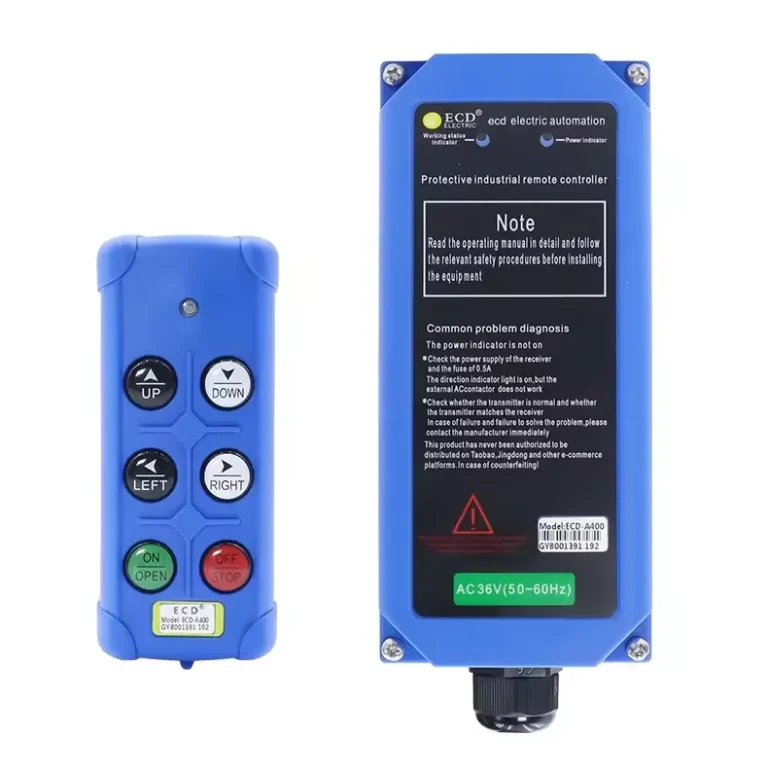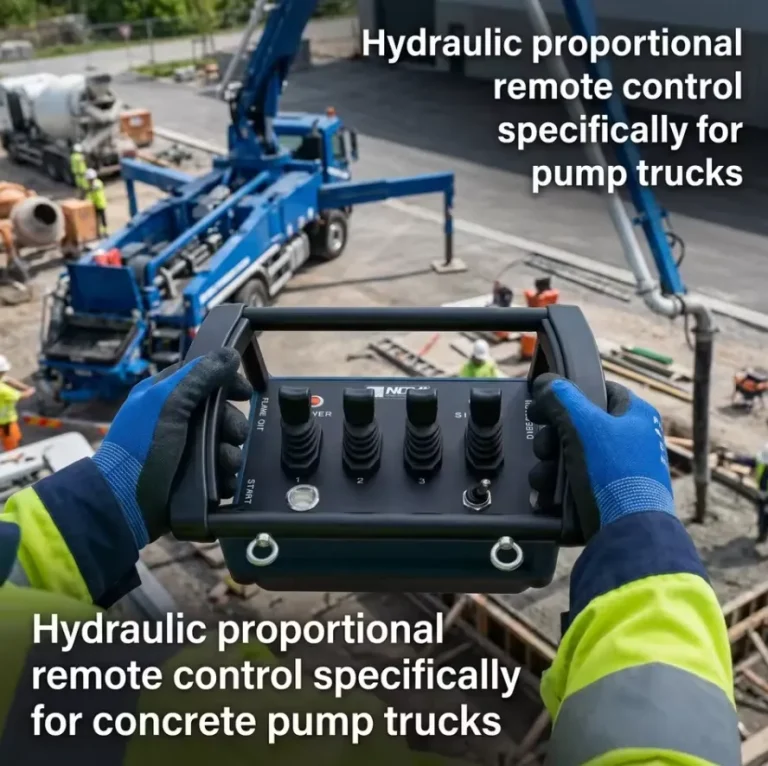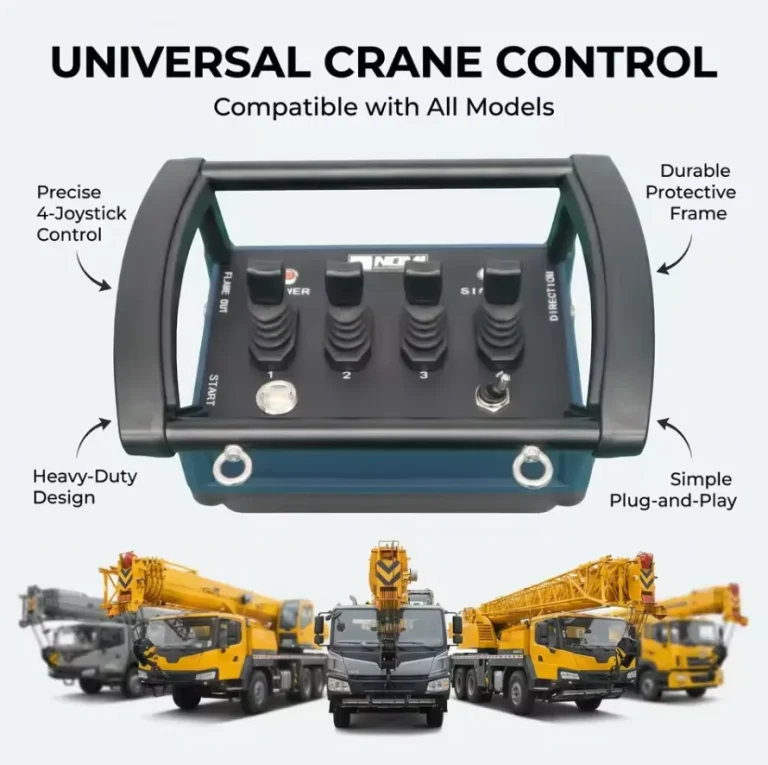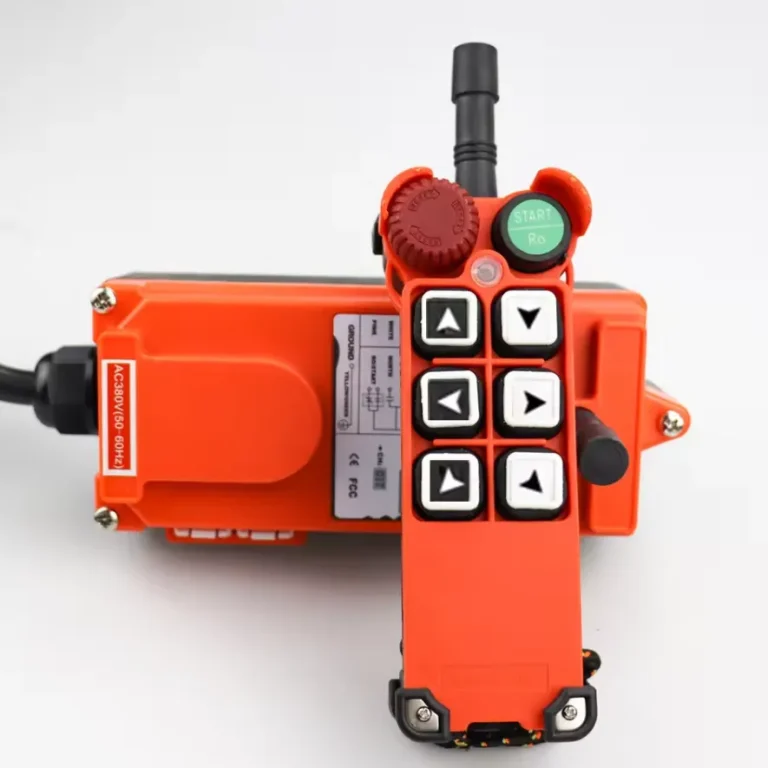

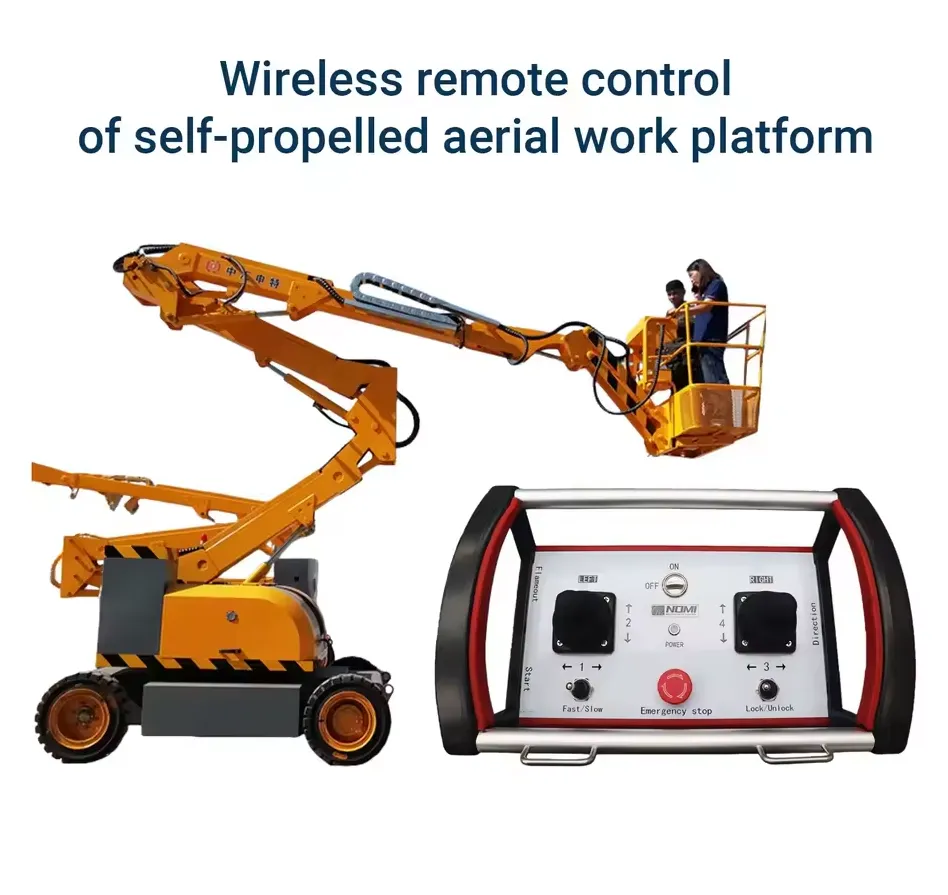
Los kits de control remoto para excavadoras hidráulicas industriales y los sistemas de excavadoras no tripuladas representan el avance más significativo en materia de seguridad y productividad en el sector del movimiento de tierras pesado desde que los controles hidráulicos sustituyeron a las máquinas accionadas por cables. Un kit de adaptación debidamente especificado o un sistema de excavadora no tripulada diseñado específicamente para este fin aleja a los operadores de entornos peligrosos, como taludes inestables, zonas de demolición con riesgo de explosión, terrenos contaminados y operaciones submarinas, al tiempo que mantiene la plena funcionalidad de la máquina mediante sistemas de control inalámbricos o con cable.
¿Qué son los kits industriales de excavadoras hidráulicas con control remoto y en qué se diferencian de los sistemas no tripulados?
Los kits industriales de excavadoras hidráulicas con control remoto y los sistemas de excavadoras totalmente autónomos representan dos enfoques distintos, aunque relacionados, para eliminar la presencia de operadores humanos en la cabina de una excavadora hidráulica durante trabajos peligrosos o con limitaciones operativas. Ambas soluciones persiguen el mismo objetivo principal —la seguridad del operador—, pero a través de diferentes niveles de integración del sistema, autonomía e inversión de capital.
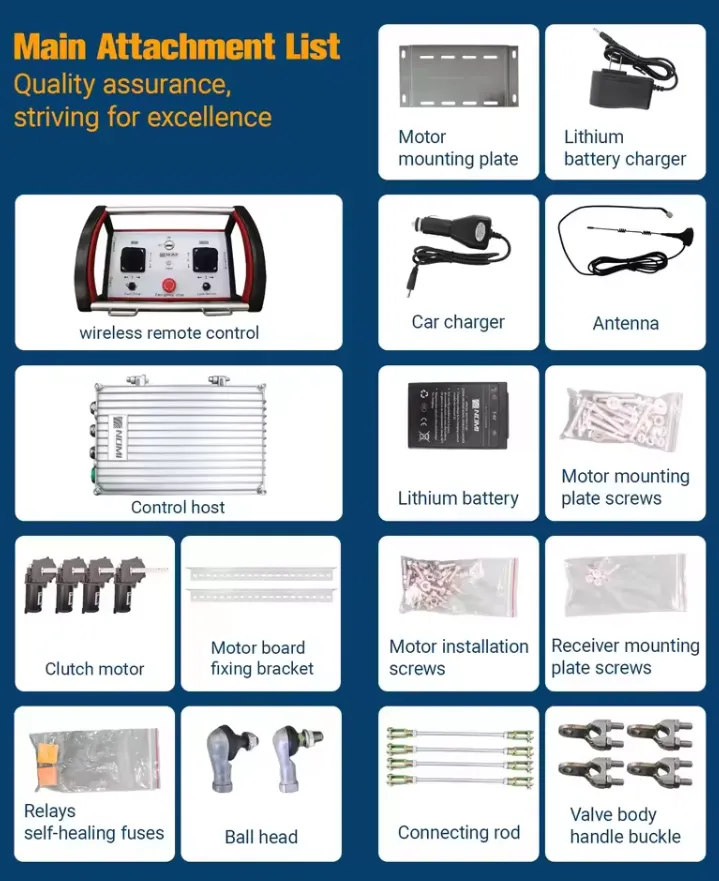
A kit de adaptación para mando a distancia Se trata de un paquete electrohidráulico, ya sea de recambio o suministrado por el fabricante original, que se instala en una excavadora convencional ya existente y añade la capacidad de control remoto, ya sea inalámbrico o con cable, sin modificar de forma sustancial el sistema hidráulico de la máquina. El kit suele incluir válvulas proporcionales electrohidráulicas, un controlador situado en la propia máquina, actuadores para el acelerador y las funciones auxiliares, un sistema de comunicación inalámbrica y una estación de control para el operador, ya sea portátil o montada en una consola. La máquina conserva su cabina original y puede seguir manejándose manualmente cuando el sistema de control remoto está desactivado.
Un sistema de excavadora no tripulada —a veces denominada excavadora robótica, excavadora teleoperada o excavadora autónoma— es una plataforma diseñada específicamente sin cabina tripulada desde el principio, o bien una máquina que ha sido objeto de una conversión integral con integración completa de sensores, sistemas de cámaras, retroalimentación de posición y, en algunos casos, capacidad operativa semiautónoma o totalmente autónoma.
Durante los últimos años, hemos evaluado tanto kits de adaptación como sistemas no tripulados diseñados específicamente para aplicaciones de demolición, minería, desmantelamiento nuclear y respuesta ante inundaciones. La conclusión más importante de esa experiencia es que el sistema adecuado viene determinado casi en su totalidad por el perfil de riesgo de la aplicación concreta, y no por el nivel de sofisticación de la tecnología. Un sencillo kit de mando inalámbrico que permite al operador mantenerse alejado de la pared de una zanja que se está derrumbando aporta más seguridad que un sofisticado sistema autónomo instalado en un lugar donde la intervención humana ya era segura.
¿Qué tipos de sistemas de control remoto para excavadoras y kits de adaptación hay disponibles?
Clasificación de los sistemas según su nivel de autonomía
El mercado de las excavadoras con mando a distancia abarca un amplio espectro que va desde los sencillos mandos colgantes inalámbricos hasta el funcionamiento totalmente autónomo de la máquina. Comprender dónde se sitúa cada tipo de sistema dentro de este espectro es la base de cualquier decisión de adquisición:
| Nivel de autonomía | Descripción del sistema | Función del operador | Aplicación típica |
|---|---|---|---|
| Nivel 0: Manual con apagado remoto | Funcionamiento estándar de la cabina, únicamente con parada de emergencia inalámbrica | Control manual total de la cabina | Reducción mínima del riesgo, nivel de cumplimiento de referencia |
| Nivel 1: Teleoperación completa | Todas las funciones se controlan mediante un joystick o una consola inalámbricos | Control remoto total; el operador ve lo que ocurre a través de las cámaras | Operaciones en zonas peligrosas, respuesta ante inundaciones |
| Nivel 2: Teleoperación asistida | Mando a distancia con control electrónico de estabilidad y asistencia a la frenada | Operador remoto con asistencia del sistema | Trabajos en taludes, demolición de precisión |
| Nivel 3: Autonomía supervisada | El sistema ejecuta los patrones de tareas definidos; el operador supervisa e interviene | Supervisión y gestión de excepciones | Automatización de trabajos repetitivos de excavación y apertura de zanjas |
| Nivel 4: Autonomía condicional | La máquina funciona de forma autónoma dentro de una zona delimitada geográficamente | Seguimiento de la flota, gestión de excepciones | Producción minera, movimientos de tierra a gran escala |
| Nivel 5: Autonomía total | La máquina planifica y ejecuta tareas sin intervención del operador | Solo supervisión | Fase de investigación; implantación comercial limitada a partir de 2026 |
Categorías de kits de adaptación según el nivel de integración
Categoría A: Kits de control inalámbrico (tipo joystick colgante)
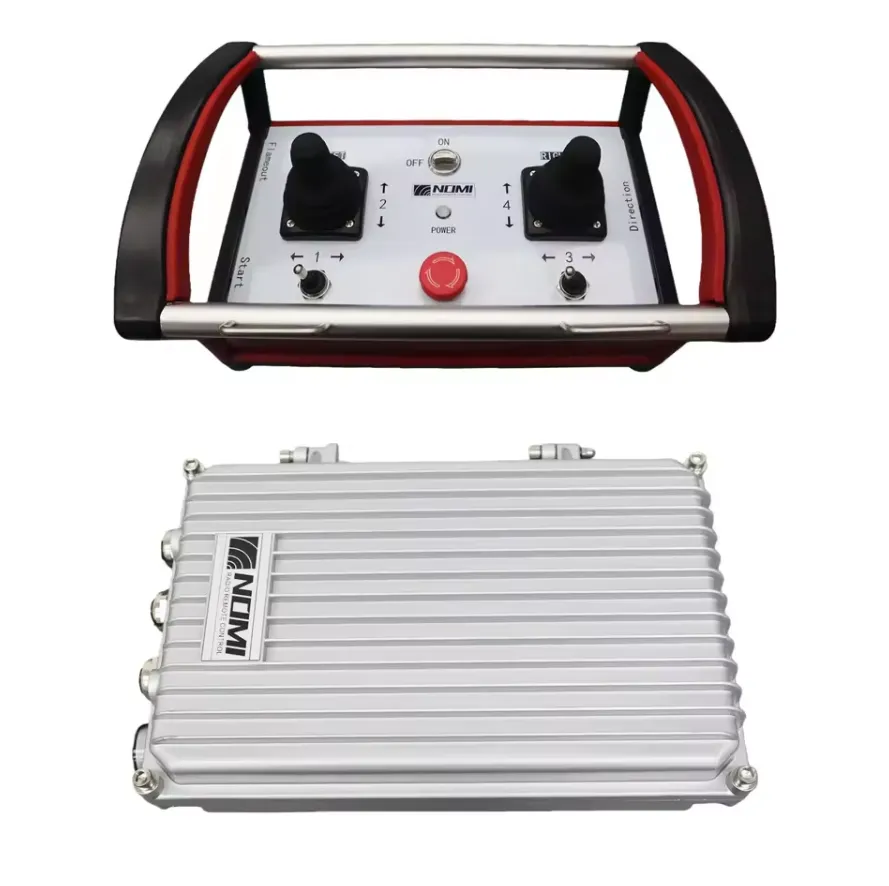
Estos paquetes de adaptación básicos añaden un transmisor y un receptor inalámbricos a la excavadora; las salidas del receptor accionan los solenoides de las válvulas de control direccional ya instaladas en la máquina. El operador utiliza una palanca de mando para enviar órdenes proporcionales a cada función hidráulica. La visión de la máquina se consigue gracias a la línea de visión directa del operador hacia la máquina, complementada con cámaras opcionales.
Adecuado para: operaciones de corto alcance (hasta 300 metros), aplicaciones en las que el operador tiene una visión clara de la máquina y la zona de trabajo, y situaciones en las que las restricciones presupuestarias limitan la inversión en el sistema.
Categoría B: Kits de teleoperación con cámara integrada
Estos kits intermedios incorporan varias cámaras (normalmente entre 4 y 8 unidades que cubren todo el espacio de la máquina) y una consola de operador dedicada con varias pantallas. El operador se sienta ante una consola que puede ser local (dentro del campo de visión) o remota (dentro de una sala de control protegida o un centro de operaciones). La gestión de la latencia y la calidad de la transmisión de vídeo son especificaciones fundamentales en este nivel.
Adecuada para: demoliciones en interiores, trabajos en túneles, excavaciones en terrenos contaminados y operaciones en las que el operador no pueda situarse de forma segura dentro del campo de visión directo de la máquina.
Categoría C: Sistemas completos de teleoperación con retroalimentación háptica
Los sistemas avanzados incorporan retroalimentación de fuerza en los mandos del joystick del operador (retroalimentación háptica), lo que proporciona al operador una resistencia simulada que se corresponde con las fuerzas que ejerce la cuchara de la excavadora sobre el suelo. Esto mejora notablemente la eficiencia del operador y reduce los tiempos de ciclo en condiciones de excavación exigentes.
Adecuado para: demolición de precisión, desmantelamiento nuclear, excavación submarina y aplicaciones de alto valor en las que la justificación en términos de productividad respalda la inversión en un sistema de gama alta.
Categoría D: Plataformas semiautónomas y autónomas
Estos sistemas incorporan LiDAR, posicionamiento GPS/RTK, unidades de medición inercial (IMU), sensores de cartografía del terreno y algoritmos de planificación basados en inteligencia artificial. La máquina puede ejecutar de forma autónoma patrones de excavación predefinidos, mientras que el operador se encarga de configurar los parámetros y supervisar el avance de los trabajos.
Adecuado para: trabajos de movimiento de tierras repetitivos y de gran volumen, operaciones de producción minera y proyectos de construcción de infraestructuras con objetivos geométricos definidos.
¿Cómo funciona realmente, a nivel de sistemas, un kit de control remoto para una excavadora hidráulica?
La interfaz electrohidráulica: conversión de comandos digitales en movimiento hidráulico
El principal reto técnico que plantea la instalación a posteriori de un sistema de control remoto en una excavadora hidráulica consiste en convertir las órdenes digitales inalámbricas procedentes del mando del operador en caudales hidráulicos precisos que muevan la pluma, el brazo, la cuchara y el tren de rodaje de la máquina con la misma suavidad y proporcionalidad que consigue un operador experto desde la cabina utilizando palancas de mando manuales.
Esta conversión se lleva a cabo mediante válvulas proporcionales electrohidráulicas (EHPV) que sustituyen o complementan las posiciones del carrete de la válvula de control principal (MCV) de la excavadora. En una excavadora hidráulica estándar, la palanca de mando del operador desplaza físicamente una válvula piloto, lo que genera una señal piloto hidráulica que posiciona el carrete de la válvula de control principal. En una adaptación de control remoto, la palanca de mando física se sustituye (o se complementa) por una señal electrónica procedente del receptor inalámbrico, que acciona un solenoide proporcional que imita la función de la válvula piloto.
La proporcionalidad es fundamental: si el operador empuja la palanca de mando 30% de su recorrido, el solenoide recibe una orden correspondiente a 30% de la presión piloto máxima, la válvula de control principal se abre proporcionalmente y el actuador hidráulico se desplaza a aproximadamente 30% de la velocidad máxima. Esta relación proporcional es lo que distingue a un kit de adaptación profesional de un simple control por relé de encendido/apagado, que solo puede ordenar velocidad máxima o velocidad cero.
Arquitectura del flujo de señal
La ruta completa de la señal, desde la entrada del operador hasta el movimiento de la máquina:
Datos introducidos por el operador (desplazamiento del joystick en el mando de una consola o de un dispositivo portátil)
↓
Codificación del transmisor (la posición del joystick se convierte en un comando digital, se codifica con un identificador único del dispositivo y se transmite mediante RF u otro protocolo de comunicación)
↓
Canal inalámbrico (La señal de radiofrecuencia se transmite desde la posición del operario hasta el receptor instalado en la máquina)
↓
Decodificación en el receptor (señal descodificada, comando verificado, salida proporcional generada)
↓
Controlador de la máquina (el controlador industrial integrado procesa los comandos recibidos, aplica la lógica de seguridad y envía señales de control a los actuadores)
↓
Válvulas electrohidráulicas (los solenoides proporcionales controlan la posición de los carretes de la válvula de control principal)
↓
Actuadores hidráulicos (los cilindros y los motores hidráulicos accionan la pluma, el brazo, la cuchara, el giro y el avance)
↓
Movimiento de la máquina (la excavadora realiza la operación indicada)
La latencia de ida y vuelta entre el movimiento del joystick y la respuesta visible de la máquina debe mantenerse por debajo de los 200 milisegundos para que el operador pueda mantener un control intuitivo. A partir de los 300 milisegundos, los operadores comienzan a sobrepasar los comandos y a compensarlos, lo que reduce la eficiencia y aumenta el riesgo de que la máquina entre en contacto involuntariamente con estructuras o con el personal.
Integración del control del motor y del acelerador
Un kit completo de control remoto también debe gestionar el motor de la excavadora. El régimen del motor controla directamente el caudal de la bomba hidráulica y, por lo tanto, la capacidad de respuesta general y la capacidad de trabajo de la máquina. El control remoto del motor suele incluir:
- Actuador electrónico del acelerador que controla la posición de la palanca del acelerador del motor o de la barra de inyección de combustible
- Función de arranque remoto del motor (requiere un circuito de derivación de la llave o la integración de un relé de arranque remoto)
- Función de parada del motor integrada en la cadena de parada de emergencia
- El motor pasa automáticamente al ralentí cuando no se activan funciones hidráulicas (ahorro de combustible y reducción del ruido)
Algunos kits de adaptación se conectan directamente al bus CAN (Controller Area Network) de la excavadora para acceder electrónicamente a las funciones del módulo de control del motor (ECM), en lugar de utilizar actuadores físicos en los sistemas de accionamiento del acelerador. La integración con el bus CAN permite una gestión más precisa del motor, pero requiere una configuración de software específica para cada modelo de excavadora.
¿Cuáles son los componentes de hardware fundamentales de un sistema de control remoto para excavadoras?
Arquitectura completa de componentes
| Componente del sistema | Función | Especificaciones clave |
|---|---|---|
| Puesto de control del operador (OCS) | Interfaz principal del operador (joystick, botones, pantalla) | Resolución del joystick, tamaño de la pantalla, ergonomía, índice de protección IP |
| Transmisor inalámbrico / unidad de comunicación | Envía órdenes del operador a la máquina | Banda de frecuencia, protocolo, alcance, latencia |
| Receptor / unidad de comunicación integrada en la máquina | Recibe las órdenes del operador | Sensibilidad, latencia de procesamiento, redundancia |
| Controlador de máquina integrado (OMC) | Procesa comandos, aplica la lógica de seguridad y gestiona las salidas | Velocidad de procesamiento, número de E/S, clasificación de resistencia ambiental |
| Válvulas proporcionales electrohidráulicas | Convertir señales electrónicas en presión piloto hidráulica | Capacidad de caudal, histéresis, presión nominal |
| Actuador del acelerador | Controla el régimen del motor a distancia | Tipo de actuador (lineal/rotativo), precisión de posición |
| Relé de seguridad / Módulo de parada de emergencia | Corta todas las salidas hidráulicas al recibir una señal de parada de emergencia | Tiempo de respuesta, clasificación SIL, redundancia |
| Sistema de cámaras | Proporciona visión artificial al operario | Número de cámaras, resolución, latencia, capacidad de infrarrojos |
| Sistema de transmisión de vídeo | Envía las imágenes de la cámara a la pantalla del operador | Ancho de banda, latencia, compresión, alcance |
| Pantalla del operador | Muestra las imágenes de las cámaras y el estado de las máquinas | Número de pantallas, resolución, brillo (visibilidad en exteriores) |
| Sensores de posición e inclinación | Proporcionar datos sobre la orientación de la máquina y la posición de la pluma | Precisión, frecuencia de actualización, protocolo de comunicación |
| Sistema de iluminación | Ilumina la zona de trabajo para facilitar la visibilidad de la cámara | Tipo de LED, flujo luminoso, posición |
| Módulo de alimentación eléctrica | Proporciona una alimentación estable a todos los componentes electrónicos | Rango de tensión de entrada, estabilidad de salida, protección contra sobretensiones |
Diseño de la estación de control del operador
El puesto de control del operador es el componente de la interfaz hombre-máquina que influye más directamente en la productividad operativa. Un diseño ergonómico deficiente y una retroalimentación háptica inadecuada son las principales razones por las que los operadores de excavadoras por control remoto son menos productivos que los operadores desde la cabina en pruebas comparativas.
Los diseños profesionales de OCS incluyen:
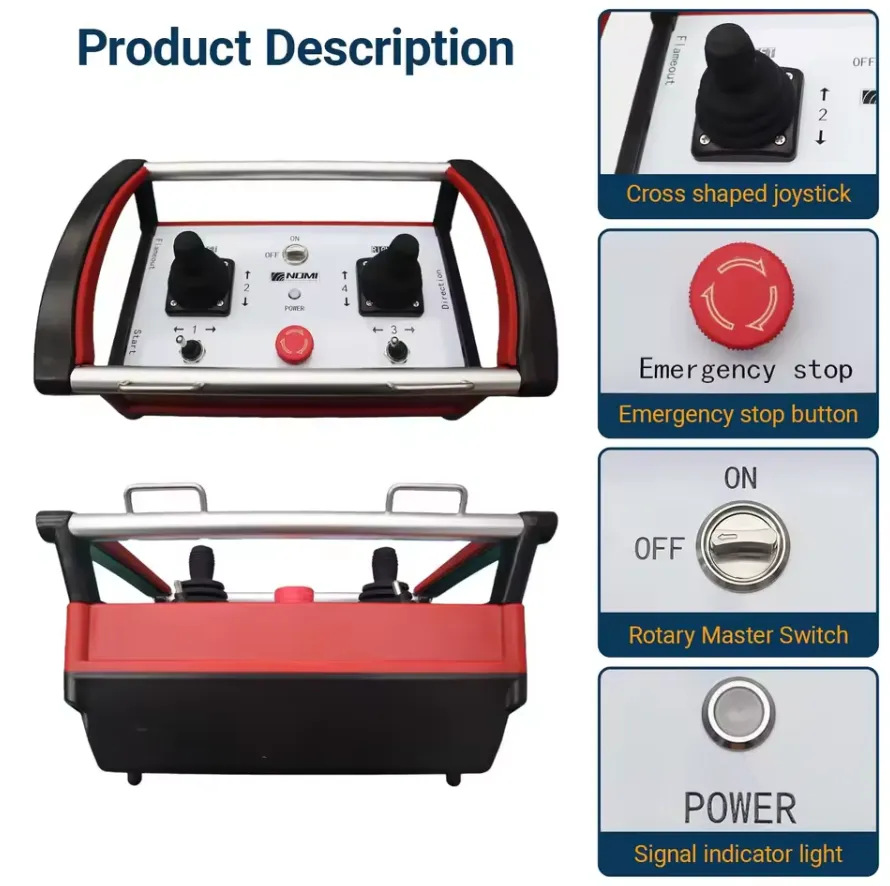
Dos joysticks proporcionales que se ajuste al patrón de control ISO o SAE del modelo de excavadora en cuestión. El patrón ISO (también denominado «patrón CAT» en algunos mercados) asigna la pluma y la cuchara al joystick derecho, y el giro y el brazo al izquierdo. El patrón SAE (Deere/Case) asigna la pluma y el giro al joystick izquierdo, y el brazo y la cuchara al derecho. El OCS debe ajustarse al patrón con el que se ha formado al operador para reducir al mínimo el tiempo de readaptación.
Ruedas de selección proporcionales o minijoysticks para funciones auxiliares: control de los implementos, accionamiento de la pala y acoplamiento del enganche rápido.
Pantallas a color que muestran las imágenes de las cámaras con configuraciones de pantalla dividida ajustables. Se recomienda utilizar pantallas de al menos 10 pulgadas para su uso sobre el terreno; pantallas más grandes, de entre 15 y 24 pulgadas, para instalaciones fijas en salas de control.
Retroalimentación auditiva y táctil para la activación de la parada de emergencia, las situaciones de fallo de la máquina y las advertencias sobre la calidad de la comunicación.
Protección del medio ambiente con una clasificación de protección de al menos IP65 para su uso sobre el terreno, y con recubrimientos antirreflejos en la pantalla que garanticen la visibilidad a la luz del sol en exteriores.
Opciones de uso: Algunas unidades OCS portátiles están diseñadas para que el operario las lleve puestas mediante un arnés, lo que le permite tener ambas manos libres para realizar otras tareas cuando no está controlando activamente la máquina. Esto resulta especialmente útil en entornos de obra, donde el operario puede tener que desplazarse con frecuencia.
Especificaciones del sistema de cámaras para teleoperación
El sistema de cámaras es el componente que más influye en la productividad del operador en un entorno de teleoperación. Una cobertura insuficiente de las cámaras, una mala calidad de imagen o una elevada latencia del vídeo se traducen directamente en una menor productividad y un mayor riesgo de colisión.
| Parámetros de la cámara | Mínimo aceptable | Calidad profesional | Calidad superior |
|---|---|---|---|
| Resolución | 720p (1280×720) | 1080p (1920×1080) | 4K (3840×2160) |
| Frecuencia de fotogramas | 25 fps | 30 fps | 60 fps |
| Latencia del vídeo | Menos de 200 ms | Menos de 100 ms | Menos de 50 ms |
| Número de cámaras | 2 (delantero, trasero) | 4-6 (cobertura de 360°) | 8+ con opciones PTZ |
| Visión nocturna / IR | No | Opcional | Estándar |
| Resistencia a las vibraciones | IEC 60068-2-6 | IEC 60068-2-6 | IEC 60068-2-6, grado militar |
| Índice de protección IP | IP66 | IP67 | IP68 |
| Temperatura de funcionamiento | De -10 °C a +60 °C | De -20 °C a +70 °C | De -40 °C a +85 °C |
¿Qué tecnologías de comunicación inalámbrica permiten el funcionamiento remoto de las excavadoras?
Comparación de tecnologías de comunicación para el control de excavadoras
Podría decirse que la elección de la tecnología de comunicación adecuada es la decisión técnica más trascendental en el despliegue de una excavadora teledirigida. El enlace de comunicación es la única vía a través de la cual los comandos del operador llegan a la máquina y las imágenes de la cámara se transmiten al operador. Un fallo en el enlace o un deterioro de su rendimiento tiene consecuencias inmediatas para el funcionamiento y la seguridad.
| Tecnología | Gama | Latencia | Ancho de banda | Resistencia a las interferencias | Mejor aplicación |
|---|---|---|---|---|---|
| Radio UHF (FHSS) | 500 m-2 km | 20-80 ms | Bajo (solo control) | Alto | Sitio abierto, solo control |
| Wi-Fi de 2,4 GHz (802.11n/ac) | 100-300 m | 15-50 ms | Alta (vídeo + control) | Moderado | Primer plano con vídeo |
| Wi-Fi de 5 GHz (802.11ac/ax) | 50-150 m | 10-30 ms | Muy alto | Bajo (alcance más corto) | Precisión en interiores y a corta distancia |
| LTE privado (4G) | 500 m-5 km | 30-80 ms | Alto | Muy alto | Instalaciones de gran tamaño, con varias máquinas |
| 5G privado | 500 m-2 km | 5-20 ms | Extremadamente alto | Muy alto | De última generación, para múltiples máquinas |
| Cable de fibra óptica | Ilimitado (longitud del cable) | Menos de 5 ms | Ilimitado | Cero (con cable) | Peligro extremo, nuclear, munición sin explotar |
| Satélite (LEO) | Global | 20-100 ms | Moderado | Muy alto | Instalación remota, minería |
| Red de radio en malla | 1-10 km (multisalto) | 30-150 ms | Moderado | Alto | Construcción de túneles, subterránea |
Por qué la redundancia en la comunicación es imprescindible
En cualquier operación remota en la que la seguridad sea fundamental, depender de una única vía de comunicación supone un riesgo inaceptable. Si el enlace principal falla mientras la máquina se encuentra en movimiento en una pendiente inestable, las consecuencias de un desplazamiento incontrolado de la máquina pueden ser catastróficas.
Los sistemas de excavadoras teledirigidas de nivel profesional incorporan redundancia en las comunicaciones mediante:
Radio de doble banda: Comandos de control principales en UHF FHSS; señal de pulso secundaria en 2,4 GHz. Si se pierde alguna de las dos bandas, el sistema continúa funcionando en la banda restante y avisa al operador.
Copia de seguridad de Tether: Un cable de conexión de fibra óptica o de cobre proporciona una vía de comunicación a prueba de fallos que se activa automáticamente si la calidad de la conexión inalámbrica desciende por debajo de un umbral aceptable.
Parada de seguridad autónoma: Si todas las vías de comunicación fallan al mismo tiempo, el controlador de la máquina ejecuta una secuencia de parada de seguridad preprogramada: se detienen todos los movimientos hidráulicos, el motor pasa al ralentí, se activan los frenos y la máquina espera a que se restablezca la comunicación antes de aceptar nuevos comandos.
Latencia del vídeo: la limitación impuesta por los factores humanos
Si bien una latencia de los comandos de control superior a 200 milisegundos reduce la precisión del operador, la latencia del vídeo plantea un problema diferente y, en ocasiones, más grave. Cuando la retroalimentación visual del operador se retrasa con respecto a sus comandos de control, este desarrolla un modelo mental erróneo de la posición y el estado de la máquina. Esta desconexión temporal provoca errores de sobrecorrección que se agravan con cada movimiento del joystick.
Las investigaciones derivadas de estudios sobre factores humanos en el ámbito de la teleoperación sugieren que una latencia de vídeo superior a 150 milisegundos provoca un deterioro cuantificable en el rendimiento del operador, especialmente en tareas que requieren un posicionamiento preciso. Por encima de los 300 milisegundos, los operadores comienzan a desarrollar estrategias de adaptación (introducir datos y esperar) que ralentizan significativamente los tiempos de ciclo. Por encima de los 500 milisegundos, las tareas de posicionamiento de precisión resultan inviables para la mayoría de los operadores.
Por eso, los sistemas profesionales de transmisión de vídeo para la teleoperación de excavadoras tienen como objetivo una latencia de extremo a extremo inferior a 100 milisegundos, utilizando codificación H.264/H.265 por hardware en lugar de codificación por software, y por qué las redes privadas 5G —con una latencia de radio inferior a 20 ms— están despertando un gran interés en el mercado de las excavadoras controladas a distancia.
¿Qué normas de seguridad y certificaciones regulan los sistemas de excavadoras no tripuladas?
El marco normativo de múltiples niveles
Los sistemas de excavadoras controladas a distancia y no tripuladas se sitúan en la intersección entre la seguridad de la maquinaria, la normativa sobre equipos de radio y la legislación en materia de seguridad en el trabajo. No existe una norma única que abarque todos los aspectos de un sistema completo, lo que obliga a los proveedores y operadores a desenvolverse simultáneamente en múltiples marcos normativos.
Seguridad internacional en materia de maquinaria:
- ISO 13849-1:2023 – Seguridad de la maquinaria: Componentes de los sistemas de control relacionados con la seguridad (evaluación del nivel de rendimiento)
- IEC 62061:2021 – Seguridad de la maquinaria: Seguridad funcional de los sistemas de control eléctrico relacionados con la seguridad (evaluación del nivel de integridad de seguridad, SIL)
- ISO 11161 – Seguridad de la maquinaria: Sistemas de fabricación integrados.
- ISO 15817:2012 – Maquinaria de movimiento de tierras: Requisitos de seguridad para los sistemas de control remoto (la norma más directamente aplicable a esta aplicación)
Específico para maquinaria de movimiento de tierras:
- La norma ISO 15817:2012 es fundamental. En ella se especifican los requisitos de seguridad aplicables específicamente a los sistemas de control remoto para operadores de maquinaria de movimiento de tierras, y abarca:
- Requisitos de la parada de emergencia y tiempos de respuesta
- Funciones de control para la pérdida de comunicación
- Fiabilidad del sistema de control (como mínimo, categoría 2, nivel de rendimiento c según la norma ISO 13849-1)
- Requisitos de la estación de control del operador
- Protección de la máquina cuando no hay un operario en la cabina
- ISO 6165: Maquinaria para el movimiento de tierras: Tipos básicos, identificación y terminología.
- SAE J1116: Categorías de máquinas de trabajo autopropulsadas todoterreno.
- OSHA 29 CFR 1926, subparte O: Vehículos a motor, equipos mecanizados y operaciones marítimas.
Equipos de radio:
- Parte 15 de la FCC (Estados Unidos): Dispositivos inalámbricos sin licencia.
- Directiva (UE) 2014/53/UE (Unión Europea): Certificación de equipos de radio.
- ETSI EN 302 208 y normas relacionadas: Requisitos técnicos para bandas de frecuencia específicas.
Seguridad en el trabajo:
- OSHA 29 CFR 1926 (Construcción): Se refiere a las operaciones con excavadoras en entornos de construcción.
- MSHA 30 CFR (Minería): Requisitos de la Administración de Seguridad y Salud en las Minas (MSHA) para aplicaciones mineras.
- Directiva 2006/42/CE de la UE sobre máquinas: Requisitos esenciales de salud y seguridad para las máquinas comercializadas en el mercado de la UE.
ISO 15817: la norma técnica principal
La norma ISO 15817:2012 («Maquinaria de movimiento de tierras: Requisitos de seguridad para los sistemas de control remoto») es la norma cuyo cumplimiento deben exigir los equipos de compras como condición mínima para la adquisición. Entre sus requisitos clave se incluyen:
| Requisito de la norma ISO 15817 | Especificaciones técnicas |
|---|---|
| Tiempo de respuesta de la parada de emergencia | Todo movimiento debe detenerse en un plazo de 2 segundos tras la activación de la parada de emergencia. |
| Respuesta ante la pérdida de comunicación | La máquina debe alcanzar un estado seguro en un plazo de 2 segundos tras la pérdida de conexión. |
| Categoría mínima del sistema de control | Categoría 2, PLc según la norma ISO 13849-1 |
| Ubicación de la parada de emergencia | Debe estar presente en el puesto de control del operador y en la máquina |
| Protección contra el reinicio | La máquina no debe volver a ponerse en marcha tras una parada de emergencia sin que se haya realizado un reinicio deliberado. |
| Limitación del rango de funcionamiento | El sistema debe poder configurarse para limitar el funcionamiento de la máquina a un área definida. |
| Requisitos de documentación | Evaluación de riesgos, instrucciones para el operador, manual de mantenimiento |
Requisitos de nivel de rendimiento por aplicación
| Nivel de riesgo de la aplicación | PL mínimo requerido | Justificación |
|---|---|---|
| Trabajos de servicios públicos de bajo riesgo, sin proximidad del personal | PLb (Categoría 1) | Exposición esporádica a un riesgo, consecuencias limitadas |
| Obra en curso, personal en las inmediaciones | PLc (Categoría 2) | Exposición habitual; existe riesgo de lesiones graves |
| Demolición en curso, zona de exclusión de personal | PLd (Categoría 3) | Alta probabilidad de exposición; posibilidad de lesiones graves |
| Zonas de riesgo nuclear, de explosivos y químico | PLe (Categoría 4) | Consecuencias catastróficas en caso de fallo, exposición casi segura |
¿Cómo elegir el kit de mando a distancia adecuado para tu modelo de excavadora?
El marco de selección de ocho factores
La selección de un kit de control remoto requiere una evaluación sistemática de ocho variables interdependientes. Las decisiones tomadas en un orden incorrecto dan lugar a sistemas con especificaciones insuficientes que fallan durante su funcionamiento, o a sistemas con especificaciones excesivas que suponen un derroche de capital en capacidades que no se utilizan.
Factor 1 – Evaluación del perfil de riesgo:
Documenta específicamente de qué peligro aleja el sistema remoto al operador. ¿Se trata de un talud a punto de derrumbarse, radiación, una atmósfera tóxica, una explosión o inmersión en agua? El peligro determina el nivel requerido de separación del operador (línea de visión a 50 metros frente a una sala de control a 2 kilómetros), lo que condiciona la elección de la tecnología de comunicación.
Factor 2 – Compatibilidad con el modelo de excavadora:
Los distintos modelos de excavadoras presentan diferentes arquitecturas hidráulicas. Es posible que un kit diseñado para una Caterpillar 320 no sea directamente compatible con una Komatsu PC200 o una Hitachi ZX200 sin una importante adaptación de la interfaz electrohidráulica. Confirme siempre la compatibilidad específica del modelo con el proveedor del kit. Entre las variables clave de compatibilidad se incluyen: la presión del sistema piloto (normalmente entre 30 y 50 bar), el tipo de carrete de la válvula principal (de centro abierto frente a con detección de carga), la versión del protocolo CAN bus y el tipo de mecanismo de control del acelerador.
Factor 3 – Funciones necesarias de la máquina:
Enumera todas las funciones de la máquina que deben poder controlarse a distancia. Los requisitos estándar incluyen: pluma, brazo, cuchara (3 ejes estándar), giro, oruga izquierda, oruga derecha, acelerador y arranque/parada del motor. Entre las funciones específicas de cada aplicación pueden figurar: la hoja (para retroexcavadoras), el circuito hidráulico auxiliar (para implementos), el bloqueo y desbloqueo del acoplador rápido, el bypass de la alarma de desplazamiento y el bloqueo de la puerta de la cabina.
Factor 4 – Rango de funcionamiento:
Defina la distancia máxima entre la posición de trabajo prevista del operador y la excavadora en su punto de trabajo más alejado. Añada un margen de seguridad de al menos 50% a esta distancia medida a la hora de especificar el alcance del sistema inalámbrico.
Factor 5 – Requisitos de vídeo:
Determina si el operario tendrá línea de visión directa hacia la máquina y la zona de trabajo. Si se dispone de visión directa, las cámaras pueden ser un complemento. Si el operario se encuentra en una sala de control remota sin visibilidad del lugar de trabajo, las cámaras son el medio principal para conocer el estado de la máquina y deben especificarse en consecuencia.
Factor 6 – Condiciones ambientales:
Documenta el rango de temperaturas, la exposición a las precipitaciones, los niveles de polvo y la exposición a sustancias químicas a los que estarán sometidos los componentes del kit. Estos factores determinan la clasificación IP, la certificación de temperatura y los requisitos de selección de materiales.
Factor 7 – Movilidad de la máquina durante el funcionamiento a distancia:
¿Tendrá que desplazarse (cambiar de posición) la excavadora mientras se controla a distancia? El desplazamiento de la máquina mediante control remoto es considerablemente más difícil de controlar de forma segura que las operaciones de excavación en posición fija, sobre todo en terrenos inclinados. Si es necesario el desplazamiento a distancia, el kit debe incluir cámaras traseras y laterales, y la consola del operador debe proporcionar una visión clara de las condiciones del terreno en la dirección del desplazamiento.
Factor 8 – Requisitos de cumplimiento normativo:
Identifique las normas aplicables en su jurisdicción y sector. Compruebe que la documentación del kit seleccionado —incluida la evaluación de riesgos, la declaración de conformidad y las instrucciones para el operador— cumple los requisitos de la autoridad competente para su aplicación específica.
Referencia de compatibilidad de modelos: plataformas comunes de excavadoras
| Marca de excavadora | Modelos habituales | Tipo de sistema hidráulico | Complejidad de la modernización | Integración del bus CAN |
|---|---|---|---|---|
| Oruga | 320, 323, 330, 336, 349 | Sensor de carga, piloto electrónico | Moderado | Disponible (compatible con Cat ET) |
| Komatsu | PC200, PC210, PC300, PC490 | Detección de carga, CLSS | Moderado | Disponible (compatible con KOMTRAX) |
| Hitachi / ZAXIS | ZX200, ZX300, ZX490 | Con detección de carga, electrónico | Moderado | Disponible |
| Liebherr | R920, R936, R950 | Detección de carga, LUDV | Alto (electrónica compleja) | Disponible |
| Volvo | EC220, EC300, EC480 | Con detección de carga, electrónico | Moderado | Disponible |
| Doosan / Develon | DX225, DX300, DX480 | Detección de carga | Moderado | Limitado |
| Caso | CX220, CX300 | Detección de carga | Moderado | Disponible |
| JCB | JS220, JS300 | Con detección de carga, electrónico | Moderado | Disponible |
| Hyundai | HX220, HX300 | Detección de carga | Moderado | Limitado |
| Sany | SY215, SY365 | Con detección de carga, electrónico | Bajo-moderado | Disponible (modelos más recientes) |
¿Qué entornos peligrosos y aplicaciones industriales impulsan la demanda de excavadoras no tripuladas?
Análisis de la implementación aplicación por aplicación
Desmantelamiento nuclear y rehabilitación de emplazamientos contaminados:
Podría decirse que esta es la aplicación que justifica con mayor claridad el coste de los sistemas de teleoperación completos. Durante el desmantelamiento de instalaciones nucleares, las excavadoras deben retirar tierra contaminada, perforar las estructuras de contención de los reactores y manipular escombros radiactivos en entornos en los que el tiempo de permanencia de las personas se mide en minutos antes de que se alcancen los límites de dosis. Las excavadoras teledirigidas en aplicaciones nucleares funcionan de forma continua durante horas desde salas de control blindadas, acumulando horas de trabajo productivas que, en un funcionamiento tripulado, requerirían docenas de turnos de personal.
Hemos analizado la documentación técnica del proyecto de desmantelamiento de Fukushima Daiichi, donde los equipos teledirigidos —entre ellos las excavadoras— han resultado indispensables en zonas con niveles de radiación que incapacitarían a un operador humano en cuestión de minutos. El programa japonés de desmantelamiento nuclear ha sido uno de los principales impulsores del avance de la tecnología de excavadoras teledirigidas desde 2011.
Desactivación de artefactos explosivos (EOD) y retirada de municiones sin explotar (UXO):
La remoción de municiones sin explotar (UXO) en zonas posconflicto y campos de entrenamiento contaminados requiere maquinaria de excavación para desenterrar y dejar al descubierto las municiones enterradas con el fin de su eliminación. Un fallo de disparo o la detonación de un artefacto enterrado mientras una excavadora con cabina está trabajando directamente sobre él resultaría fatal para el operador. Las miniexcavadoras y las excavadoras de tamaño normal controladas a distancia son ahora la herramienta habitual para la retirada de municiones sin explotar en las operaciones profesionales de desactivación de explosivos (EOD).
Frentes de explotación activos en minas y canteras:
Las operaciones mineras a cielo abierto, los frentes de excavación inestables y las zonas con desprendimientos activos suponen un peligro constante para los conductores de las cabinas. En las explotaciones mineras de roca dura de Australia, Sudáfrica y Norteamérica se han utilizado excavadoras controladas a distancia que trabajan desde una distancia segura por debajo del frente activo, con el fin de mantener la producción durante los periodos en los que, por motivos de seguridad, habría que retirar la maquinaria tripulada.
Demolición de edificios con problemas estructurales:
Cuando un edificio ha sufrido daños por un incendio, un terremoto, una inundación o un fallo estructural hasta el punto de que existe un riesgo real de derrumbe progresivo, situar a un operador en la cabina de una excavadora convencional para iniciar la demolición supone un riesgo considerable para el operador. Las excavadoras teledirigidas permiten llevar a cabo los trabajos de demolición desde una distancia segura, ya que es la máquina la que asume el riesgo físico del contacto con los escombros y de la caída de elementos estructurales.
Operaciones de respuesta ante inundaciones y situaciones bajo el agua:
Se han utilizado excavadoras equipadas para trabajar bajo el agua y controladas a distancia en operaciones de respuesta ante inundaciones, dragado de puertos y trabajos de cimentación submarina. La capacidad de control remoto permite que la máquina pueda funcionar totalmente sumergida en condiciones en las que un operador desde la cabina no podría sobrevivir. Para ello, es necesario un sellado especial a prueba de agua de las juntas hidráulicas, los sistemas eléctricos y las cámaras.
Intervención ante accidentes químicos e industriales:
Tras los incidentes químicos industriales, los equipos de intervención de emergencia deben retirar materiales peligrosos, despejar escombros y gestionar residuos contaminados sin exponer al personal a atmósferas tóxicas. Las excavadoras teledirigidas, provistas de recubrimientos resistentes a los productos químicos y que operan desde distancias que mantienen al personal fuera de las zonas de exclusión, se han convertido en equipamiento estándar en los inventarios de recursos para la respuesta a emergencias industriales.
Construcción de túneles y minería subterránea:
En las operaciones de apoyo a la perforación de túneles y en el desarrollo de minas subterráneas, las limitaciones de espacio, la mala calidad del aire y el riesgo de desprendimientos del techo crean unas condiciones en las que la excavación por control remoto aporta un valor añadido tanto en materia de seguridad como de productividad. Los sistemas subterráneos de control remoto suelen utilizar cables de conexión o redes de radio en malla, ya que la propagación de las ondas de radiofrecuencia en los túneles es muy direccional y la comunicación inalámbrica a larga distancia resulta poco práctica.
| Solicitud | Peligro principal | Requisitos del sistema recomendados | Distancia típica de funcionamiento |
|---|---|---|---|
| Desmantelamiento de instalaciones nucleares | Radiación | Teleoperación completa, Cat 4/PLe | 50 m-500 m (sala de control) |
| Desminado de municiones sin explotar | Explosión | Teleoperación completa, Cat. 3/PLd | 300 m-1 km |
| Frente de excavación activo | Desprendimiento de rocas, deslizamiento de talud | Teleoperación, Cat. 2/PLc | 50 m-500 m |
| Demolición estructural | Derrumbe de un edificio | Teleoperación/asistida, Cat. 2-3 | 50 m-200 m |
| Operaciones submarinas | Ahogamiento, pérdida de material | Teleoperación completa | 10 m-500 m |
| Incidente químico | Exposición a sustancias tóxicas | Teleoperación completa, Cat. 3-4 | 100 m-1 km |
| Volcánico/geotérmico | Calor, gases tóxicos | Teleoperación completa | 200 m-1 km |
| Construcción de túneles | Caídas desde el tejado, calidad del aire | Radio con conexión fija o en malla | 50 m-500 m |
| Limpieza de escombros tras un incendio forestal | Fuego activo, humo | Teleoperación | 100 m-500 m |
¿Cómo se instala un kit de adaptación para mando a distancia en una excavadora hidráulica ya existente?
Requisitos técnicos previos a la instalación
Antes de comenzar cualquier trabajo de instalación física, un ingeniero cualificado en sistemas hidráulicos y electrónicos debe elaborar un proyecto de instalación específico para la máquina. Esta fase de diseño abarca:
Diseño de la interfaz hidráulica:
Analice el circuito hidráulico piloto actual de la excavadora para identificar los puntos de instalación correctos de las válvulas proporcionales electrohidráulicas. Debe poder accederse al circuito piloto sin necesidad de desmontar componentes estructurales importantes, y la instalación no debe comprometer la integridad del sistema hidráulico principal.
Balance de potencia eléctrica:
Calcula la demanda total de potencia eléctrica de todos los componentes del kit (controladores, válvulas, cámaras, iluminación, sistemas de comunicación) y comprueba que el sistema eléctrico actual de la excavadora pueda suministrar esta carga. La mayoría de las excavadoras cuentan con un sistema eléctrico de 24 V CC con un alternador de 100-200 A. Los componentes del kit suelen consumir entre 15 y 40 A en total, lo que deja un margen suficiente.
Evaluación de la integración del bus CAN:
Si el kit se va a conectar al bus CAN de la excavadora, solicita al fabricante la documentación sobre el protocolo del bus CAN de la máquina y comprueba la compatibilidad con el controlador del kit. Las modificaciones no autorizadas del bus CAN pueden afectar a la garantía de la máquina y provocar la aparición de códigos de avería en la unidad de control electrónico (ECM) de la máquina.
Colocación de la antena y la cámara:
Planifica las posiciones de montaje de todas las antenas y cámaras de manera que proporcionen la cobertura necesaria sin interferir en la articulación de la máquina ni crear puntos en los que puedan engancharse los residuos.
Resumen de la fase de instalación
Fase 1 – Instalación de la válvula electrohidráulica:
Monte el bloque de válvulas proporcionales en la ubicación prevista para el circuito piloto. Conecte las tuberías de alimentación y retorno del circuito piloto. Instale tuberías de presión piloto individuales para cada carrete de las válvulas de control principales. Realice una prueba de presión en todo el circuito piloto a 120% de presión máxima del circuito piloto antes de encender cualquier dispositivo electrónico.
Fase 2 – Instalación del controlador de la máquina y de los componentes electrónicos:
Instale el controlador de la máquina integrado (OMC) en una carcasa protegida y aislada de las vibraciones. Conecte la fuente de alimentación, el circuito de parada de emergencia y todas las salidas de las válvulas. Instale el actuador del acelerador en el sistema de articulación de control del motor o conéctelo al ECM a través del bus CAN.
Fase 3 – Instalación del sistema de comunicaciones:
Instala la unidad de comunicación de la máquina y la antena en la posición óptima para la radiofrecuencia. Tiende los cables de la antena lejos de los cables de alimentación de alta intensidad para evitar interferencias. Instala y configura el sistema de transmisión de vídeo.
Fase 4 – Instalación del sistema de cámaras:
Instale las cámaras en las posiciones previstas, haga pasar los mazos de cables por los conductos protectores y conéctelos a la unidad de transmisión de vídeo. Compruebe que los campos de visión de las cámaras cubran adecuadamente el área de trabajo de la máquina.
Fase 5 – Integración de sistemas y programación:
Configurar la asignación de entradas y salidas del controlador de la máquina, los parámetros de la lógica de seguridad, los ajustes de tiempo de espera del watchdog y las tablas de calibración de válvulas. Programar el puesto de mando del operador con el patrón de control de la máquina (ISO o SAE) y las asignaciones de funciones auxiliares.
Fase 6 – Puesta en servicio y pruebas:
Realizar pruebas funcionales de cada sistema por orden: sistema de alimentación, circuito de parada de emergencia, enlace de comunicación, control de funciones hidráulicas (sin carga), prueba de funciones hidráulicas a plena carga, sistema de vídeo y prueba del sistema integrado. Documentar todos los resultados de las pruebas.
Fase 7 – Formación de los operadores y aceptación:
Formar a los operadores designados en el funcionamiento específico del sistema. Verificar la competencia de los operadores mediante una evaluación práctica. Cumplimentar la documentación de aceptación y actualizar los registros de mantenimiento de la máquina.
¿Cómo rinden los sistemas de excavadoras no tripuladas en comparación con la operación tripulada?
Productividad: una evaluación sincera
Esta es la primera pregunta que suelen plantear la mayoría de los equipos de compras, y para responder con sinceridad hay que distinguir entre los distintos tipos de tareas y los distintos niveles de experiencia de los operarios.
En tareas sencillas y repetitivas —excavación a gran escala en material homogéneo, carga de camiones desde una posición fija, excavación de zanjas en condiciones de terreno uniformes—, los operadores experimentados de sistemas de teleoperación suelen alcanzar entre el 60 y el 80% de la productividad de los operadores cualificados que trabajan desde la cabina, en condiciones de prueba controladas. En las primeras fases de implantación, antes de que los operadores hayan recibido una formación completa sobre el sistema específico, la productividad puede situarse entre el 40 y el 60 % de la de la operación tripulada.
Esta brecha de productividad se reduce considerablemente en dos circunstancias:
- Cuando la línea de base de la operación tripulada incluye un tiempo no productivo considerable debido a paradas de seguridad, cambios de turno en zonas peligrosas o la fatiga de la tripulación provocada por entornos extremos.
- Cuando el sistema remoto es manejado por operadores de teleoperación con amplia experiencia que han acumulado miles de horas en esa plataforma concreta.
En aquellas aplicaciones en las que la alternativa al funcionamiento a distancia no es la excavación con personal, sino la ausencia total de excavación —debido a que el entorno es demasiado peligroso para que pueda acceder cualquier persona—, la comparación de la productividad carece de sentido. Cualquier rendimiento productivo del sistema a distancia supera el rendimiento nulo de la alternativa con personal, que es imposible de llevar a cabo.
Comparación entre la fatiga y la duración de los turnos
| Factor operativo | Funcionamiento con cabina tripulada | Teleoperación (estándar) | Teleoperación (avanzada con háptica) |
|---|---|---|---|
| Duración máxima de un turno de trabajo | 8-10 horas (límite de fatiga física) | 4-6 horas (fatiga cognitiva provocada por las pantallas de vídeo) | 5-7 horas |
| Frecuencia de los descansos obligatorios | Cada 2 horas | Cada 45-60 minutos | Cada 60-90 minutos |
| Efectos del calor y el frío en el operario | Alta (entorno de la cabina) | Mínimo (entorno de la sala de control) | Mínimo |
| Fatiga provocada por las vibraciones | Significativo | Ninguno | Ninguno |
| Posibilidad de funcionamiento con varias máquinas | Una máquina por operario | Una máquina por operario (de serie) | 2-3 máquinas por operario (autonomía supervisada) |
¿Cuáles son las implicaciones normativas y en materia de seguros que conlleva el uso de excavadoras no tripuladas?
Requisitos normativos de notificación y autorización
El uso de una excavadora no tripulada en una obra, una mina o un proyecto de demolición conlleva la obligación de cumplir con los requisitos normativos de notificación en la mayoría de las jurisdicciones. Estos requisitos varían considerablemente:
Estados Unidos: La OSHA no cuenta con normativa específica para las operaciones con excavadoras controladas a distancia, pero la Cláusula de Obligaciones Generales (artículo 5(a)(1)) exige a los empresarios que garanticen un lugar de trabajo libre de riesgos reconocidos. Los planes de seguridad específicos para cada obra en los que se utilicen excavadoras con mando a distancia deben incluir zonas de exclusión de personal, protocolos de comunicación y procedimientos de emergencia. Algunos estados han adoptado requisitos adicionales; consulte con la autoridad estatal de la OSHA.
Unión Europea: La Directiva sobre máquinas 2006/42/CE exige que el propio sistema de control remoto lleve el marcado CE si constituye una máquina o un componente significativo de una máquina. La utilización en obra de maquinaria controlada a distancia se rige por la Directiva de la UE sobre obras de construcción 92/57/CEE, que exige la notificación a la autoridad competente en materia de salud y seguridad.
Australia: Safe Work Australia ha publicado unas directrices sobre la maquinaria operada a distancia, y las autoridades reguladoras de salud y seguridad laboral de cada estado pueden exigir la notificación o la autorización previa para determinadas aplicaciones en emplazamientos peligrosos. Los equipos de control remoto específicos para la minería están regulados por los departamentos estatales de seguridad minera.
Aspectos relacionados con los seguros
Las aseguradoras tratan las operaciones con excavadoras no tripuladas de forma diferente a las tripuladas, aunque no siempre de manera desfavorable. Los factores clave son:
- Retirada del operario de la zona de peligro: En general, se valora positivamente; reduce el riesgo de tener que hacer frente a indemnizaciones por accidentes laborales
- Riesgo de daños en la máquina: El manejo a distancia aumenta la probabilidad de que se produzcan daños menores en la maquinaria debido a la falta de precisión del operador; las aseguradoras pueden exigir franquicias más elevadas para la cobertura de daños a la maquinaria.
- Responsabilidad civil: La gestión de las zonas de exclusión de personal se convierte en el principal factor de responsabilidad; los protocolos documentados relativos a las zonas de exclusión reducen el riesgo para las aseguradoras
- Certificación del sistema: Las pólizas de seguro para operaciones de excavadoras por control remoto suelen exigir pruebas de conformidad con la norma ISO 15817 o una certificación equivalente expedida por un organismo independiente.
¿Cómo está evolucionando la tecnología de las excavadoras teledirigidas y autónomas de aquí a 2026?
Los avances tecnológicos están transformando el mercado
Implantación de redes 5G privadas en obras de construcción:
La disponibilidad de infraestructura de red 5G privada por parte de empresas como Ericsson, Nokia y diversos operadores regionales ha transformado lo que es técnicamente posible en las comunicaciones de excavadoras remotas. El 5G privado ofrece una latencia de radio inferior a 20 ms, un ancho de banda de varios gigabits para múltiples transmisiones simultáneas de vídeo 4K y la capacidad de dar soporte a docenas de máquinas remotas en una sola red. Varias grandes empresas mineras y de construcción han completado el despliegue de redes 5G privadas en sus principales emplazamientos y están utilizando la red como columna vertebral de las comunicaciones para sus flotas de excavadoras remotas.
Excavación autónoma basada en LiDAR:
Tanto la plataforma «Smart Construction» de Komatsu como el sistema «Command for Excavating» de Caterpillar han avanzado hasta alcanzar una capacidad de excavación semiautónoma que se implementará comercialmente a partir de 2025-2026. La excavadora utiliza nubes de puntos LiDAR del área de trabajo, combinadas con un modelo de superficie de diseño cargado en el controlador de la máquina, para ejecutar de forma autónoma pasadas de excavación que se acercan al nivel objetivo sin sobrepasarlo. El operador supervisa y se encarga de los casos excepcionales, mientras que la máquina realiza de forma autónoma los movimientos repetitivos de corte.
Integración del gemelo digital:
El concepto de mantener un gemelo digital en tiempo real de la zona de excavación —actualizado continuamente por los sensores integrados en la excavadora y las estaciones de referencia externas— permite al operador remoto trabajar en un entorno de visualización en 3D, en lugar de depender únicamente de las imágenes de cámara en 2D. El operador ve una representación digital de la máquina, su herramienta de trabajo y el terreno circundante en un espacio tridimensional preciso, lo que mejora considerablemente la percepción espacial en comparación con la teleoperación mediante pantalla plana.
Sistemas colaborativos con múltiples máquinas:
Las plataformas de gestión de flotas coordinan actualmente múltiples excavadoras, camiones volquete y compactadoras remotas o semiautónomas en una misma obra, con sistemas de prevención de colisiones que mantienen una separación segura entre las máquinas, incluso cuando varios operadores emiten órdenes potencialmente contradictorias desde estaciones de control distintas.
Control del exoesqueleto háptico:
Las aplicaciones de investigación de fabricantes como Sarcos y Festo han demostrado el uso de interfaces de exoesqueleto de cuerpo completo para la teleoperación de excavadoras, en las que los movimientos físicos del operador (elevación y rotación del brazo) se traducen en movimientos de la pluma y el brazo de la máquina. Los primeros datos de estos sistemas experimentales muestran que la productividad del operador se acerca a la de un operador experto en la cabina en tareas complejas, ya que la interfaz del exoesqueleto conserva los patrones de movimiento naturales del operador en lugar de abstraerlos mediante coordenadas de joystick.
Detección de anomalías asistida por IA:
Los algoritmos de aprendizaje automático que supervisan el conjunto de sensores de la excavadora —incluidos los perfiles de presión hidráulica, los patrones de consumo de corriente, la resistencia del terreno y los indicadores de estabilidad— ahora pueden señalar anomalías que preceden a un fallo del equipo o a la inestabilidad del terreno antes de que se conviertan en incidentes críticos. Por ejemplo, una excavadora que se encuentra con un hueco inesperado debajo del frente de excavación muestra una firma característica de presión hidráulica que los sistemas de detección de anomalías entrenados pueden identificar y sobre la que pueden alertar al operador remoto antes de que la máquina caiga en el hueco.
Preguntas frecuentes (FAQ)
1: ¿Qué es un kit de adaptación para excavadoras con mando a distancia y qué incluye?
Un kit de adaptación para excavadoras con mando a distancia es un paquete, ya sea del mercado de recambios o suministrado por el fabricante original (OEM), compuesto por componentes electrohidráulicos y electrónicos que añade la capacidad de control remoto inalámbrico a una excavadora hidráulica convencional sin desactivar de forma permanente el funcionamiento manual desde la cabina. Un kit completo suele incluir: conjuntos de válvulas electrohidráulicas proporcionales que se conectan al circuito hidráulico piloto de la máquina, un controlador integrado en la máquina que procesa los comandos inalámbricos y gestiona la lógica de seguridad, un actuador del acelerador para el control remoto de la velocidad del motor, un sistema de comunicación inalámbrica (transmisor y receptor), una estación de control del operador con dos joysticks proporcionales que se ajustan al patrón de control de la máquina, un sistema de cámaras para la visibilidad del operador, una unidad de transmisión de vídeo, componentes de alimentación eléctrica y todos los elementos de montaje y mazos de cables. La máquina conserva el funcionamiento manual completo desde la cabina cuando el sistema de control remoto está desactivado, lo que hace que la adaptación sea reversible y que la máquina sea compatible con dos modos de funcionamiento.
2: ¿A qué distancia puedo manejar una excavadora con mando a distancia?
El alcance operativo de una excavadora teledirigida depende principalmente de la tecnología de comunicación utilizada en el kit. Los sistemas de radio UHF FHSS ofrecen un alcance de control fiable de entre 500 metros y 2 kilómetros en terrenos abiertos. Los sistemas basados en WiFi (2,4 GHz o 5 GHz) ofrecen un alcance efectivo de entre 100 y 300 metros. Las redes privadas LTE o 4G amplían el alcance operativo a varios kilómetros, y las redes privadas 5G pueden cubrir minas o obras de gran envergadura en su totalidad. Los sistemas de conexión por fibra óptica tienen un alcance ilimitado, limitado únicamente por la longitud del cable. En la práctica, la calidad de la transmisión de vídeo suele limitar el alcance operativo efectivo antes de que el alcance del control por radio se convierta en la limitación: mantener un vídeo de baja latencia a largas distancias requiere más ancho de banda que los comandos de control básicos. Para operaciones a más de 500 metros, las redes móviles privadas suelen ser la solución más fiable.
3: ¿Qué modelos de excavadoras son compatibles con los kits de adaptación para control remoto?
Hay kits de adaptación para mando a distancia disponibles para la mayoría de las principales marcas y modelos de excavadoras, entre las que se incluyen Caterpillar (series 320-349), Komatsu (PC200-PC490), Hitachi/ZAXIS (ZX200-ZX490), Volvo (EC220-EC480), Liebherr (R920-R950), Hyundai (HX220-HX300), Doosan/Develon (DX225-DX480), Case (CX220-CX300), JCB (JS220-JS300) y Sany (SY215-SY365). La compatibilidad viene determinada por la arquitectura del sistema hidráulico de la excavadora, la presión del circuito piloto y el diseño del sistema eléctrico. Los sistemas hidráulicos con detección de carga y control piloto electrónico son los más sencillos de adaptar. Los sistemas piloto más antiguos, de carácter puramente mecánico, requieren una ingeniería de interfaz adicional. Indique siempre al proveedor del kit el modelo exacto de la máquina, el año y el rango de números de serie para que confirme la compatibilidad antes de la compra, ya que las variaciones dentro de las familias de modelos pueden afectar significativamente a los requisitos de instalación.
4: ¿Qué es la norma ISO 15817 y por qué es importante para la adquisición de excavadoras teledirigidas?
La norma ISO 15817:2012 («Maquinaria de movimiento de tierras: Requisitos de seguridad para los sistemas de control remoto») es la principal norma técnica internacional que aborda específicamente los sistemas de control remoto en la maquinaria de movimiento de tierras, incluidas las excavadoras. Establece requisitos mínimos de seguridad que abarcan: el tiempo de respuesta de la parada de emergencia (detener todo movimiento en un plazo de 2 segundos), el comportamiento en estado seguro en caso de pérdida de comunicación (parada segura en un plazo de 2 segundos tras la pérdida de conexión), la categoría mínima de seguridad del sistema de control (Categoría 2, PLc según la norma ISO 13849-1), los requisitos de parada de emergencia tanto en el puesto del operador como en la máquina, la protección contra el reinicio tras la activación de la parada de emergencia y los requisitos de documentación, incluida la evaluación de riesgos y las instrucciones para el operador. A efectos de contratación, exigir el cumplimiento de la norma ISO 15817 como condición contractual garantiza que el proveedor haya llevado a cabo un análisis de seguridad formal de su sistema y pueda proporcionar garantías de seguridad basadas en pruebas, en lugar de declaraciones propias. Solicite los informes de ensayo específicos, no se limite a una mera declaración de conformidad.
5: ¿Puede una excavadora teledirigida sustituir a una excavadora tripulada en todo tipo de trabajos?
Una excavadora teledirigida puede realizar las mismas tareas físicas que una excavadora tripulada en lo que respecta a la excavación, la carga, la nivelación, la demolición y la manipulación de materiales. Las limitaciones prácticas están relacionadas con la percepción y la productividad del operador, más que con la capacidad de la máquina. La tecnología actual de teleoperación alcanza entre el 60 % y el 80 % de la productividad de un operador humano cualificado en tareas sencillas, y esta diferencia se va reduciendo a medida que los operadores adquieren experiencia en sistemas específicos. Las tareas complejas que requieren un posicionamiento muy preciso —refuerzo de cimientos, trabajo en torno a instalaciones subterráneas, nivelación fina con tolerancias milimétricas— siguen siendo más difíciles de realizar mediante teleoperación sin retroalimentación háptica ni asistencia autónoma. En aplicaciones en las que el peligro justifica el manejo a distancia, la pérdida de productividad es casi siempre aceptable. En entornos de bajo riesgo en los que no existe una necesidad operativa para el manejo a distancia, el sobrecoste en productividad y el coste adicional de los sistemas remotos son difíciles de justificar frente al manejo convencional con operario.
6: ¿Qué formación se necesita para manejar un sistema de excavadora con mando a distancia?
Los operadores de sistemas de excavadoras por control remoto deben recibir una formación que abarque tanto los fundamentos mecánicos del manejo de la excavadora como las características específicas del control de máquinas teleoperadas. Un operador cualificado de excavadoras por control remoto debe poseer: competencia previa como operador de excavadoras convencionales (certificación CPCS, NCCCO o equivalente, según la jurisdicción), formación específica del sistema impartida por el proveedor del kit o del sistema que abarque la disposición y las funciones de la estación de control del operador, el funcionamiento del sistema de comunicación y la detección de averías, procedimientos de parada de emergencia y secuencias de reinicio, interpretación y limitaciones del sistema de cámaras, y gestión de las zonas de exclusión específicas de cada emplazamiento. Para despliegues especializados se requiere formación adicional específica para aplicaciones peligrosas (nucleares, desactivación de artefactos explosivos, químicas). La mayoría de los sistemas profesionales exigen un mínimo de entre 20 y 40 horas de formación del operador en un sistema específico antes de que se le considere competente. A medida que la tecnología se generaliza, están surgiendo programas de certificación para operadores de teleoperación en varios países.
7: ¿Cómo se comporta una excavadora no tripulada si se pierde la señal inalámbrica durante su funcionamiento?
En cualquier sistema de excavadora con mando a distancia correctamente diseñado y que cumpla con la norma ISO 15817, la pérdida del enlace de comunicación inalámbrica activa una secuencia automática de parada de seguridad en un plazo de 2 segundos. El controlador integrado en la máquina detecta la pérdida de las señales de «latido» procedentes de la estación de control del operador y corta inmediatamente las salidas de control hidráulico de todas las funciones de movimiento, deteniendo la pluma, el brazo, la cuchara, el giro y el desplazamiento. El motor pasa al ralentí o se apaga, dependiendo de la configuración del sistema, y se activan los frenos, si los hay. La máquina permanece en este estado de seguridad hasta que se restablece la comunicación y el operador realiza una secuencia de reinicio deliberada —normalmente pulsando una combinación específica de botones de reinicio en el transmisor para confirmar que se trata de un reinicio intencionado y no automático—. Este requisito antirreinicio evita que la máquina reanude repentinamente el movimiento cuando se restablece la conexión, en caso de que el operador haya cambiado de posición o de que las condiciones del lugar de trabajo hayan cambiado durante la interrupción de la comunicación.
8: ¿Cuál es la diferencia entre los sistemas de excavadoras teleoperadas y los autónomos?
Una excavadora teleoperada está bajo el control continuo y en tiempo real de un operador humano que emite todas las órdenes de movimiento a través de una estación de control inalámbrica o con cable. La máquina ejecuta exactamente lo que le ordena el operador, sin tomar decisiones de forma independiente. Una excavadora autónoma o semiautónoma utiliza sensores integrados (LiDAR, GPS, cámaras, IMU), un modelo del terreno y un algoritmo de planificación de tareas para ejecutar tareas de trabajo definidas sin necesidad de una intervención continua por parte del operador. El operador define los parámetros de trabajo (zona de excavación, nivel de acabado deseado, destino del material) y la máquina determina y ejecuta las secuencias de movimiento específicas necesarias para llevar a cabo la tarea. En 2026, la mayoría de las implantaciones comerciales se sitúan en el nivel semiautónomo: la máquina ejecuta de forma autónoma movimientos repetitivos de excavación dentro de una zona definida, pero requiere la intervención del operador para la orientación de los camiones, los cambios de implementos, el desplazamiento a nuevas posiciones y la gestión de condiciones del terreno inesperadas. Las excavadoras totalmente autónomas, capaces de funcionar sin ayuda en entornos complejos y cambiantes, se encuentran principalmente en fases de investigación y de pruebas de campo iniciales.
9: ¿Existen kits de control remoto adecuados para miniexcavadoras y máquinas compactas?
Sí, existen en el mercado kits de adaptación para control remoto diseñados específicamente para miniexcavadoras (clase de 1 a 5 toneladas) y excavadoras compactas (clase de 5 a 10 toneladas), y representan un segmento de mercado en crecimiento. Los kits para miniexcavadoras plantean retos de ingeniería específicos: los sistemas hidráulicos más pequeños funcionan a presiones piloto y caudales inferiores a los de las máquinas de tamaño normal, lo que requiere válvulas proporcionales que se adapten con precisión a la arquitectura hidráulica compacta. Las limitaciones de espacio físico dentro de las reducidas zonas de paneles de la máquina exigen el uso de controladores y componentes electrónicos miniaturizados. A pesar de estos retos, varios proveedores ofrecen kits específicos para miniexcavadoras que proporcionan un control proporcional completo de todas las funciones de la máquina. Los sistemas de control remoto para miniexcavadoras son especialmente populares en aplicaciones de demolición en interiores (donde el tamaño compacto de la máquina y el funcionamiento remoto se combinan para realizar trabajos en espacios reducidos, demasiado pequeños para máquinas de tamaño normal), en la retirada de munición sin explotar (UXO) en terrenos accidentados, donde una máquina compacta ofrece mayor movilidad, y en trabajos de servicios públicos urbanos en zonas peatonales.
10: ¿Cuál es el rango de precios habitual de un kit de adaptación para una excavadora con mando a distancia?
Los precios de los kits de adaptación para excavadoras con control remoto varían considerablemente en función de la complejidad del sistema, el tamaño de la máquina y el proveedor. Los sistemas básicos de control mediante joystick (solo control, sin cámaras, funcionamiento a la vista) para excavadoras de tamaño completo oscilan entre aproximadamente $15 000 y $35 000 USD, instalación incluida. Los sistemas intermedios, que añaden cobertura de cámara y una consola de operador multipantalla, oscilan entre $40 000 y $80 000 USD. Los sistemas completos de teleoperación con vídeo de calidad profesional, retroalimentación háptica, comunicación de largo alcance y paquetes de documentación exhaustivos oscilan entre $80 000 y $200 000 USD. Los sistemas semiautónomos con LiDAR, GPS RTK y capacidad de ejecución autónoma de tareas oscilan entre $150 000 y $400 000 USD o más. Estas cifras no incluyen los costes recurrentes: contratos de mantenimiento (normalmente entre el 10 y el 15 % del precio de compra del sistema al año), formación de los operadores e infraestructura de comunicaciones (costes de redes LTE o 5G privadas). LasLas plataformas de excavadoras no tripuladas diseñadas específicamente con sistemas integrados del fabricante original representan el nivel de inversión más alto, con excavadoras robóticas de clase de 20 toneladas con precios que oscilan entre $800 000 y $2 000 000 USD a partir de 2026.
Fuentes y referencias verificables
Los datos técnicos, las referencias a normas, los requisitos reglamentarios y la información sobre el rendimiento operativo que aparecen a lo largo de este artículo se basan en las siguientes fuentes primarias. Estos documentos están disponibles a través de sus respectivas organizaciones emisoras y constituyen las referencias de referencia para los ingenieros y los profesionales de las compras en este ámbito:
- ISO 15817:2012 – Maquinaria de movimiento de tierras: Requisitos de seguridad para los sistemas de control remoto del operador (Organización Internacional de Normalización) – Norma internacional de referencia para los sistemas de control remoto de excavadoras y otros equipos de movimiento de tierras.
- ISO 13849-1:2023 – Seguridad de la maquinaria: Componentes de los sistemas de control relacionados con la seguridad (Organización Internacional de Normalización) – Marco de evaluación del nivel de rendimiento para funciones de control de máquinas críticas para la seguridad.
- IEC 62061:2021 – Seguridad de la maquinaria: Seguridad funcional de los sistemas de control eléctricos, electrónicos y electrónicos programables relacionados con la seguridad (Comisión Electrotécnica Internacional) – Norma de evaluación de la seguridad funcional basada en el modelo SIL.
- Directiva de la UE sobre máquinas 2006/42/CE (Parlamento Europeo y Consejo) – Requisitos esenciales de seguridad y salud para la maquinaria, incluidos los equipos de movimiento de tierras controlados a distancia.
- Directiva de la UE sobre equipos radioeléctricos 2014/53/UE (RED) (Parlamento Europeo y Consejo) – Requisitos de certificación para los equipos de transmisión inalámbrica en los mercados de la UE.
- OSHA 29 CFR 1926, subparte O: Vehículos a motor, equipos mecanizados y operaciones marítimas (Administración de Seguridad y Salud Ocupacional de EE. UU.) – Normativa federal de EE. UU. sobre seguridad de la maquinaria en las obras de construcción.
- MSHA 30 CFR, partes 56 y 57: Normas de seguridad y salud para minas metálicas y no metálicas, tanto a cielo abierto como subterráneas (Administración de Seguridad y Salud Minera de EE. UU.) – Requisitos de seguridad para equipos mineros aplicables a las excavadoras teledirigidas en aplicaciones mineras.
- Parte 15 de la FCC: dispositivos de radiofrecuencia (Comisión Federal de Comunicaciones de EE. UU.) – Normativa sobre dispositivos inalámbricos sin licencia aplicable a los transmisores de control remoto de excavadoras.
- SAE J1116 – Categorías de máquinas de trabajo autopropulsadas todoterreno (SAE International) – Marco de clasificación de la maquinaria de movimiento de tierras aplicable a la categorización de excavadoras no tripuladas.
- ISO 6165:2022 – Maquinaria para el movimiento de tierras: tipos básicos, identificación y terminología (Organización Internacional de Normalización) – Norma terminológica para la clasificación de la maquinaria de movimiento de tierras.
- Documentación técnica de Komatsu Smart Construction (Komatsu Ltd.) – Descripción técnica general de los sistemas de control de las excavadoras semiautónomas de Komatsu.
- Descripción técnica general de Caterpillar Command para excavación (Caterpillar Inc.) – Documentación técnica sobre los sistemas de excavadoras con control remoto y autónomos de Cat.
- Safe Work Australia – Gestión de los riesgos de la maquinaria controlada a distancia (Safe Work Australia) – Directrices normativas australianas para el despliegue de equipos operados a distancia.
- Serie de informes técnicos sobre desmantelamiento nuclear del OIEA (Organización Internacional de Energía Atómica) – Documentación técnica sobre el uso de equipos a distancia en el desmantelamiento de instalaciones nucleares.
- Especificación técnica 3GPP TS 22.261: Requisitos de servicio para la Nueva Radio de próxima generación (3GPP) – Requisitos técnicos para redes 5G que cumplan los requisitos de latencia para el control remoto de máquinas industriales.
Haz realidad tu proyecto de excavadora autónoma con Nomi
En Nomi, nuestro equipo de ingeniería colabora con los responsables de seguridad de las obras, los ingenieros de proyecto, los operadores de minas y las organizaciones de respuesta ante emergencias para definir y suministrar kits de control remoto para excavadoras hidráulicas que se adapten al perfil de riesgo, la plataforma de la máquina, el entorno operativo y los requisitos normativos de cada aplicación.
Nuestra gama de productos abarca desde kits básicos de control inalámbrico con joystick para operaciones con línea de visión hasta sistemas completos de teleoperación con configuraciones multicámara, consolas de operador profesionales e infraestructura de comunicación de largo alcance. Todos los sistemas que suministramos se entregan con documentación completa conforme a la norma ISO 15817, que incluye la evaluación de riesgos, el manual de instrucciones para el operador y la declaración de conformidad para las jurisdicciones CE o FCC.
Ponte en contacto con nuestro equipo técnico hoy mismo para iniciar su proyecto con una consulta gratuita sobre la aplicación. Indíquenos el modelo de su excavadora, el entorno de riesgo específico y sus requisitos de alcance operativo, y le prepararemos unas especificaciones detalladas del sistema y un presupuesto en un plazo de cinco días laborables.
Solicitar una propuesta técnica o ponte en contacto directamente con un ingeniero de sistemas de excavadoras teledirigidas de Nomi para confirmar las especificaciones adecuadas del kit antes de comprometer tu presupuesto de adquisición.